

Yellow algae shows up uninvited, usually clinging to a shady wall or a ladder step, and brushing it off rarely fixes the problem. The real fix is the right chemical, matched to the kind of growth you’re seeing, before it spreads. This lineup rounds up ten pool-care products that handle yellow and mustard algae, from fast-acting shock treatments to long-term mineral units that quietly work for months at a time.
The Picks In Brief

In The Swim Cal-Hypo Pool Shock 12 x 1 lb

In The Swim 3 Inch Stabilized Chlorine Tablets 25 lb

In The Swim Winter Algaecide 2 Quarts
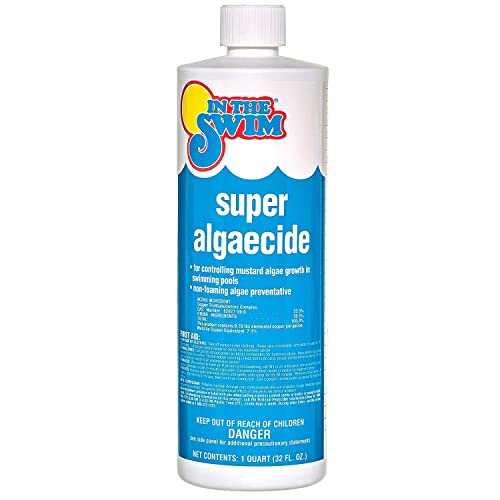
In The Swim Super Algaecide 7.1% Chelated Copper

Leslie’s Algae Control Pool Algaecide Quart

Rx Clear 7% Copper Algaecide 12 Pack

Pool RX 101067 Black Units 4 Pack

PoolRx+ Pool Unit 7.5k-20k Gallons
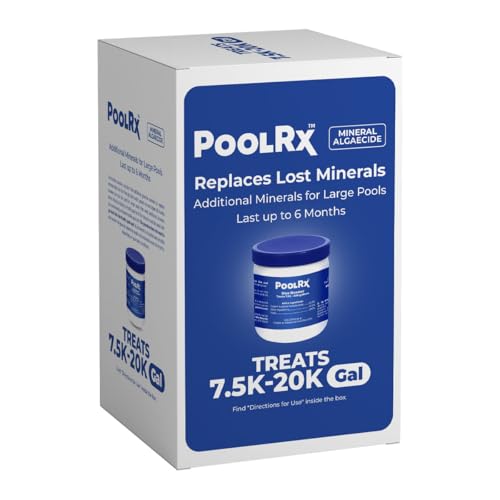
Pool RX 102001 6 Month Algaecide Replacement 8 oz

PoolRx Pool Unit 101066 20k-30k Gallons
A Deeper Look At The Lineup
Most yellow algae jobs start with a shock treatment, and this In The Swim Cal-Hypo (calcium hypochlorite) granular pack is built for exactly that. The 68% concentration gives you real lifting power against early blooms without the cyanuric acid buildup that stabilized shocks can leave behind, and the twelve one-pound bags let you dose for multiple treatments instead of a single dump.
It works equally well in above-ground and in-ground setups, including spas and hot tubs, so the same jug handles the smaller water features around the yard. For a first-timer battling a stubborn patch, this is the kind of “break glass in case of algae” product that earns its place in the shed.
Points In Its Favor
- High 68% calcium hypochlorite content raises chlorine fast when algae first appears
- Non-stabilized formula means less cyanuric acid accumulation over a long season
- Twelve one-pound bags cover several shock doses for a typical residential pool
- Works in vinyl, concrete, and fiberglass pools plus spas and hot tubs
- Pre-dissolving the granules protects liners from accidental bleach spotting
Things To Consider
- Granular form needs a five-gallon bucket of warm water to pre-dissolve, which adds an extra step
- Adds calcium to the water over time, so soft-water pools should watch total hardness
Who It Suits Best
Pool owners who want a fast, reliable shock they can break out the moment yellow tint shows up on a wall.
Consider Something Else When
The In The Swim 3 Inch Stabilized Chlorine Tablets make more sense if you want hands-off daily chlorination rather than periodic shock sessions.
Where the cal-hypo shock treats the emergency, these three-inch trichlor tabs handle the steady prevention. Drop them into a floater or in-line chlorinator and they slowly dissolve to keep free chlorine consistent, which is the single biggest reason yellow and mustard algae get a foothold in the first place.
The 99% trichloro-s-triazinetrione chemistry with 90% available chlorine delivers a strong sanitizing punch without the daily chore of measuring powders. A 25-pound pail runs through most of a normal swim season, making it the kind of “set it and forget it” backbone that suits busy households.
Practical Advantages
- Slow-dissolving tablets keep chlorine levels steady across multiple days
- Stabilized formula resists UV burn-off, so sunny pools waste less chlorine
- Tablets are non-perishable and store easily in a dry garage or shed
- Large 25-pound pail suits a full season for mid-size residential pools
Points To Note
- Steady trichlor use slowly raises cyanuric acid, so partial drain-and-refill cycles may be needed
- Three-inch tablets need a proper feeder or floater; they don’t dissolve well sitting loose in a skimmer
Made For
Pool owners who prefer consistent, low-effort chlorination over weekly measuring and mixing.
A Better Fit Elsewhere
Reach for the In The Swim Pool Shock instead when an existing yellow algae bloom needs a quick knockdown rather than ongoing prevention.
Yellow algae in early spring is usually a symptom of what didn’t get done in November, not bad luck in April. This winter algaecide is formulated specifically for the cold months when chlorine demand drops but dormant algae spores still ride out the season. The two-quart pack covers the dose most residential pools need at closing time.
Pouring it in at winterization keeps the water clear enough that opening day doesn’t turn into a multi-week rescue project. In mild climates where pools don’t fully freeze, the same formula helps prevent the dusty yellow film that often shows up in unused corners by February.
Where It Excels
- Targets the dormant algae phase that causes spring blooms before chlorine does its job
- Two-quart size is a sensible match for closing a typical backyard pool
- Reduces the need for heavy shock treatments and filter cleanouts at opening
Small Caveats
- Specific to cool-season use, so it isn’t a substitute for routine summer algaecides
- Two-quart total means larger pools or heavy fall debris may still need a follow-up dose
Best Suited To
Homeowners closing a pool for the winter who want a far easier opening come spring.
Skip It When
The In The Swim Super Algaecide 7.1% Chelated Copper is the better choice if you’re battling an active yellow algae bloom in warm water right now.
Yellow and mustard algae are chlorine-resistant by nature, which is why standard shocks sometimes only knock them back rather than wipe them out. This chelated copper formula is designed to finish the job chlorine started, with 7.1% chelated copper suspended in a small dose of liquid that disperses quickly through the water column.
The chelating agents (chemicals that keep copper dissolved so it doesn’t fall out of solution) hold the metal in a usable form, which means it keeps working against algae without the white-scale staining older copper products were notorious for. For most backyard pools dealing with a persistent yellow patch, a single quart covers the standard treatment dose.
What Pays Off
- Highly concentrated copper specifically targets yellow and mustard algae strains
- Chelated formula reduces the staining risk older copper algaecides carried
- Small dose size means easy measuring and a quart covers most residential pools
- Useful at both spring opening and during the regular swim season when algae first appears
Honest Caveats
- Copper levels need occasional testing since buildup over time can affect water clarity and even hair color
- Single quart may run short for very large pools or severe bloom cases that need follow-up treatment
Who Will Love This
Pool owners who have already shocked their water and still see yellow patches clinging to shaded walls or steps.
Another Choice May Suit
Leslie’s Algae Control Pool Algaecide is worth a look if you’d rather use a non-copper polyquat formula to keep your copper levels at zero.
Polyquat (short for polyquaternary ammonium) algaecides take a different approach from copper-based products: they disrupt the algae cell wall itself rather than interfering with photosynthesis. Leslie’s version carries a 60% polyquat concentration and is non-foaming, which matters in pools with attached spas, water features, or negative-edge designs where foam tends to drift into awkward places.
The one-quart bottle is sized for weekly maintenance rather than emergency knockdown, so it fits naturally into a routine where chlorine handles the heavy lifting and the algaecide quietly keeps the biofilm from getting established in the first place. The same formula is also rated for fountains and container water gardens, broadening its usefulness around the property.
Positive Takeaways
- Non-staining and non-foaming, ideal for attached spas and water features
- Targets green, yellow, mustard, and pink algae with the same weekly dose
- Works in pools, fountains, and container water gardens for versatile use
- 60% polyquat active ingredient delivers strong prevention at low application rates
Factors To Consider
- Quart size suits routine maintenance but is undersized for severe existing blooms
- Toxic to fish and aquatic invertebrates, so it’s not appropriate for ponds with koi or goldfish
The Right Fit
Pool owners running a consistent weekly maintenance schedule who want a no-stain, no-foam supplement to their chlorine routine.
Look Elsewhere When
The In The Swim Super Algaecide 7.1% Chelated Copper is a smarter grab if the algae is already visible and you need a more aggressive knockdown treatment.
Twelve quarts of 7% copper algaecide in a single purchase sounds like overkill, and for the average backyard, it is. But for service routes, vacation-rental properties, or a homeowner who treats several water features at once, the bulk pack keeps trips to the store to a minimum.
The recommended biweekly dose of about 4 oz per 10,000 gallons means each bottle still goes a long way. A surfactant in the mix helps the formula spread along walls and hold algae cells in suspension, which gives the chlorine a cleaner surface to attack instead of letting growth reattach after the dose dissipates.
Practical Pluses
- Twelve one-quart bottles cover an entire season for most residential service routes
- Surfactant helps the formula coat walls and keep algae in suspension
- Effective against yellow, mustard, black, and several filamentous algae types
- Low 4 oz per 10,000 gallons biweekly dose keeps measuring simple
Trade Offs
- Twelve bottles of liquid take up real storage space in a garage or service truck
- Copper content requires periodic testing, especially in soft-water pools prone to staining
Perfect Match For
Pool techs, vacation-rental hosts, and homeowners managing multiple pools or large water features.
Reach For A Different Pick When
The In The Swim Super Algaecide 7.1% Chelated Copper is the more convenient single-bottle option for one residential pool.
If mixing chemicals isn’t your idea of pool fun, the PoolRx mineral approach removes most of that work. Each black unit gets dropped into the pump basket or skimmer and slowly releases a balanced blend of minerals that fight algae from inside the circulation system rather than the water column.
The four-pack covers pools in the 20,000 to 30,000 gallon range, and each unit is rated for up to six months of service. Owners commonly report that the units reduce how much chlorine they need to maintain, which is a real perk if you’ve been chasing stabilizer buildup with traditional tabs.
Bright Spots
- Drop-in design means no measuring, no pouring, no weekly dosing
- Mineral blend reduces chlorine demand, slowing cyanuric acid buildup over a season
- Rated for up to six months per unit, minimizing seasonal maintenance
- Four-pack covers the gallon range of most larger residential pools
Where It May Fall Short
- Skimmer placement requires the unit to be in place before the pump runs, so a forgotten swap means reduced effectiveness
- Not a chlorine replacement, so you still need a baseline sanitizer running alongside
Whose Shelf It Belongs On
Pool owners with larger 20k-30k gallon pools who want a hands-off algae prevention layer on top of normal chlorination.
A Better Fit Elsewhere
PoolRx+ Pool Unit 7.5k-20k Gallons is the better match for mid-size residential pools under 20,000 gallons.
The original PoolRx was already a clever mineral system, and the “+” version adds copper sulfate, zinc sulfate, and silver nitrate to the mix for a multi-layer defense. The blue unit fits pools between 7,500 and 20,000 gallons, which covers most suburban backyards.
Placed in the pump or skimmer basket, the minerals dissolve slowly and the silver component helps maintain water clarity in ways copper alone doesn’t. The unit is registered with the EPA and certified to NSF/ANSI 50 standards for pool equipment, which is a level of third-party documentation most chemical algaecides don’t carry.
Strong Points
- Three active minerals create overlapping defenses against multiple algae types
- NSF/ANSI 50 certification offers third-party confirmation of safety claims
- Up to six months of service per unit for a full season of passive algae control
- Reduces required chlorine levels, helping with cyanuric acid management
Some Limits To Know
- One unit tops out at 20,000 gallons, so larger pools need a second unit or a different model
- Initial cost is higher than a bottle of liquid algaecide, even if annual maintenance costs even out
Built With In Mind
Mid-size residential pool owners who want a premium mineral system with documented certifications and a long service life.
Where A Sibling Pick Shines
The PoolRx Pool Unit 101066 covers 20k-30k gallons, making it a better fit for larger residential or light-commercial pools.
Owners of the original PoolRx black or blue units know the main housing can be reused across seasons, with the active minerals needing a refresh instead. This 8 oz booster is the replacement cartridge that refills an existing unit, restoring its algae-fighting mineral content for another six months of service.
The 7,500 to 20,000 gallon range matches the original PoolRx and PoolRx+ unit specifications, so the same booster covers both newer and older housings. It’s an environmentally friendlier approach than tossing the whole unit, and it keeps the cost-per-season lower once you’re in the PoolRx system.
A Few Strong Suits
- Refreshes existing PoolRx units instead of replacing the whole housing
- Eight-ounce refill covers the standard 7.5k-20k gallon residential range
- Restores full algae-fighting capacity for up to six more months
- Works with both original PoolRx and current PoolRx+ housings
Worth Bearing In Mind
- Useless without an existing PoolRx unit, since the minerals need a housing to dispense properly
- Single 8 oz packet means larger or multiple-pool households will reorder frequently
Who Should Grab It
Existing PoolRx unit owners hitting the six-month mark and needing a mineral refresh to keep protection going.
Swap It Out When
The PoolRx+ Pool Unit 7.5k-20k Gallons is the right pick if you don’t already own a housing and need the full system.
For a 25,000-gallon backyard or a small community pool, the standard PoolRx unit can run out of capacity. This larger black unit picks up the slack, treating 20,000 to 30,000 gallons from a single housing in the pump or skimmer basket.
It uses the same drop-in approach as the smaller PoolRx, releasing a steady mineral mix that supports your existing chlorine program. Owners commonly report that the unit should be physically replaced in the basket about every twelve months, even if the minerals last only six, since the housing itself degrades with constant water contact.
The Helpful Details
- Single-unit coverage up to 30,000 gallons avoids running two smaller housings in parallel
- Same low-fuss drop-in design as the rest of the PoolRx line
- Up to six months of algae-fighting mineral release per cycle
- Suitable for larger residential pools, apartment complexes, and small commercial setups
Less Ideal Details
- Housing itself typically needs replacement every twelve months even when minerals are still active
- Skimmer or pump basket must have enough room to physically fit the unit
Right Fit For
Owners of large residential or light-commercial pools in the 20k-30k gallon range who want passive algae control without daily dosing.
Not Your Match When
The PoolRx+ Pool Unit 7.5k-20k Gallons is a smarter choice for typical suburban pools under 20,000 gallons.
What Matters Most Before Choosing yellow algaes in pool treatment
Match the Formula to the Algae You Actually See
Yellow and mustard algae aren’t the same as green algae, and they don’t respond the same way to standard chlorine. Green algae usually surrenders to a routine shock, while mustard algae often needs a chelated copper or polyquat algaecide added on top of the shock to fully clear. Choosing a product that explicitly names yellow or mustard algae on the label saves a lot of wasted dosing.
Decide Between Knockdown and Prevention
A cal-hypo shock or copper algaecide is a knockdown tool, designed to clear an active bloom in a single heavy dose. A polyquat weekly algaecide or a mineral unit like PoolRx is prevention, designed to keep spores from establishing in the first place. Most pools need both, used in sequence: a knockdown to clear the current problem, then prevention to keep it from coming back.
Size the Dose to Your Actual Gallons
Every algaecide and shock label includes a dose-per-10,000-gallons figure, and getting the pool volume right matters more than people think. Under-dosing leaves enough algae alive to rebuild the colony within a week. Over-dosing wastes product and, with copper formulas especially, raises the risk of staining pool surfaces or turning blond hair green.
Think About Storage, Safety, and Compatibility
Liquid algaecides last for years in a cool, dry spot, but a 12-pack of copper quart bottles or a pail of shock takes up real space. Storing them away from other pool chemicals, fertilizers, and any flame source is non-negotiable, since mixing certain algaecides with acids or ammonia can release harmful gases. Worth a quick look at your storage area before you check out.
Key Considerations Across These Picks
Where Shoppers Go Wrong
The most common error is treating yellow algae with a standard shock alone and assuming the problem is solved when the water looks clearer. Mustard algae has a waxy outer coating that chlorine struggles to penetrate, so without a chelated copper or polyquat follow-up, the bloom usually returns within two to three weeks. Another trap is reusing algaecides without checking that the pool’s pH is in the 7.2 to 7.6 range, since high pH dramatically reduces the effectiveness of most active ingredients.
When Paying More Pays Off
Mineral units like the PoolRx line cost more up front than a quart of liquid algaecide, but they shift the maintenance model from weekly dosing to a once-every-six-months refill. Over a full year, the per-month cost often works out lower, especially when you factor in the reduced chlorine demand. For pools that struggle with cyanuric acid buildup from stabilized tabs, the savings on partial drain-and-refill cycles can be meaningful too.
Frequently Asked Questions
What causes yellow algae in pools?
Yellow and mustard algae are plant-like organisms that thrive in low-chlorine, shaded areas with poor water circulation. Ladder steps, deep-end corners, and the shaded side of the house are common starting points. Warm temperatures, lingering rain, and inconsistent chlorine levels all give the spores a chance to establish.
Can yellow algae survive a regular shock treatment?
Often, yes. Mustard algae has a protective outer layer that makes it more resistant to standard chlorine than green algae. That’s why treatment typically pairs a shock dose with a chelated copper or polyquat algaecide, and why brushing walls and steps after shocking matters for full clearance.
How long does it take to clear a yellow algae bloom?
Active blooms usually show visible improvement within 24 to 48 hours after a proper shock-plus-algaecide dose, but the water may stay slightly cloudy for another few days as the filter catches dead cells. Full prevention takes a week or two of consistent chemistry and brushing to confirm the bloom is truly gone.
Is copper algaecide safe for all pool surfaces?
Chelated copper formulas are safe for vinyl, concrete, plaster, and fiberglass when used at the recommended dose. The staining risk shows up when copper levels climb too high, often from overdosing or from low-pH water that lets the metal fall out of solution. Testing copper levels once a month is a reasonable habit.
Do mineral algaecide units replace chlorine entirely?
No. PoolRx and similar mineral units supplement chlorine rather than replace it. You still need a baseline sanitizer in the water, but the mineral action lets many owners run lower free-chlorine levels without algae reappearing, which reduces the cyanuric acid buildup from stabilized chlorine products.
Closing Remarks
The right product depends less on brand and more on whether you’re dealing with an active bloom or trying to prevent one. Most pool owners do well keeping a fast-acting shock on hand for emergencies, a steady chlorine source for daily maintenance, and a targeted algaecide for the stubborn yellow patches that survive both. Build that three-part toolkit and your swim season gets a lot less reactive.


