

A backyard pool only stays inviting when the hardware behind it pulls its weight. The right pump housing, gauge, test strips, and accessories save a Saturday afternoon of troubleshooting and keep water chemistry on track. For anyone setting up a new system or replacing worn parts, this roundup covers the practical pieces that actually matter.
The Main Contenders

loosoo 17307-0110S Pentair Pump Tank Body

NexSphere 0-60 PSI Pool Filter Pressure Gauge

Bartovation H2O2 Test Strips 0-100 ppm 100-Pack

Pond boss 8 inch Waterfall Spillway
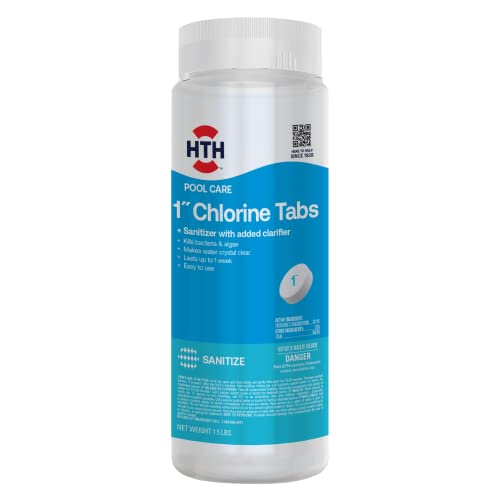
HTH 42049 1 inch Chlorine Tabs 1.5 lbs

AQUALOON Pool Filter Balls 1.5 lbs

Sainlogic Wireless Floating Pool Thermometer IP68
More On The Choices That Made The List
The loosoo 17307-0110S targets a specific headache: a cracked or weathered tank body on a Pentair pump. For owners of the IntelliPro VSF, VST, VS, or Max-E-Pro lines, swapping the housing avoids replacing the whole pump assembly. It also saves the hassle of rewiring a new motor.
Installation follows the standard Pentair layout, with female pipe thread connections on both suction and discharge sides. A stainless steel band clamp keeps the body secured to the motor. The plastic construction holds up to typical chemical exposure, though owners in coastal areas report accelerated UV wear on unprotected units.
Useful Touches
- Matches Pentair factory specs, so existing plumbing lines up without modification
- Threaded ports on both intake and discharge sides simplify hose routing
- Stainless band clamp resists corrosion better than basic steel hardware
- Restores a pump rather than replacing it, keeping a familiar motor in service
Worth Noting
- Fit is limited to specific Pentair models, so confirm the part number before ordering
- Plastic body tolerates most pool chemicals but can fade in direct sun over several seasons
Who It Suits Best
Pentair pump owners with a cracked or leaking tank body who want a like-for-like swap.
Where Another Pick Suits Better
For broader system monitoring rather than a single repair, the NexSphere gauge is a smarter add-on.
Pressure gauges rarely get attention until they fail mid-season. The NexSphere 0-60 PSI model is purpose-built for the outdoor pump pad, where moisture, splash-back, and temperature swings punish lesser instruments. Its 2-inch dial is large enough to read from a standing position, which matters when checking filter health before a backwash.
The 304 stainless steel case and IP67 rating (a standard that means full dust protection and brief water immersion resistance) handle rain and rinse-downs without fogging the dial. A 1/4-inch NPT (National Pipe Thread, a common tapered thread standard for plumbing fittings) lower mount fits most sand, cartridge, and DE filter manifolds.
The Helpful Details
- Readable 2-inch dial reduces squinting from across the pad
- Stainless body shrugs off rust in humid climates
- IP67 sealing protects the movement from splash and brief submersion
- Lower-mount design keeps wiring and tubing out of the way
Points To Keep In Mind
- 0-60 PSI range suits most residential filters, though some commercial systems run higher
- Teflon tape on the NPT threads is a small extra step for a leak-free install
Quick Facts
Made For
Homeowners who want a set-and-forget gauge that survives a few seasons of weather.
Look Elsewhere When
For water chemistry rather than pressure tracking, the Bartovation test strips are a better match.
Peroxide-based sanitation has grown popular for pools, spas, and cold plunges where chlorine feels too harsh. The Bartovation strips give a clear read on H2O2 concentration from 0 to 100 ppm, with color breaks at 0, 1, 3, 10, 50, and 100. That spread covers both residential pools and tighter spa ranges without buying two kits.
One hundred strips per bottle lasts a full season for most backyard setups. Storage matters: keep the cap sealed, since humidity skews readings over time.
Real-World Strengths
- Wide 0-100 ppm range handles pools, hot tubs, and float tanks from one bottle
- Color breaks at low concentrations help fine-tune spa-level dosing
- Compact bottle fits a chemical caddy without taking space
- Long shelf life when the cap stays dry between uses
Honest Caveats
- Color matching is subjective in low light, so a daylight check gives better results
- Only measures peroxide, so traditional chlorine pools still need a separate test
Who Should Grab It
Anyone running a peroxide sanitization system who wants a quick read without a digital meter.
Skip It When
For standard chlorine maintenance, the HTH tabs cover weekly dosing more directly.
The Pond boss spillway suits a backyard pond or pondless waterfall that needs a controlled, sheet-style water flow. The 8-inch weir (the lip over which water cascades) produces a clean, even curtain rather than a ragged trickle, which is the difference between a feature that looks finished and one that looks improvised.
Its compact footprint, roughly 14.5 by 10.3 by 6 inches, drops into a stacked-stone wall or a lined basin without major excavation. The black housing blends into most landscape palettes.
Everyday Wins
- 8-inch weir creates a uniform sheet of water for a polished look
- Modest dimensions fit tight backyard builds where space is at a premium
- Discreet black finish hides behind stacked stone or plants
- Works for both ponded and pondless waterfall designs
Trade Offs
- Flow rate depends on the pump paired with it, so sizing matters before purchase
- Periodic cleaning of debris off the weir lip keeps the sheet looking even
Best Suited To
DIYers adding a small waterfall or stream to a pond or pondless basin on a tight lot.
A Better Fit Elsewhere
For monitoring water conditions rather than shaping the landscape, the Sainlogic thermometer pulls double duty across pool and pond.
Slow-dissolving chlorine tabs are the workhorse of residential pool care, and the HTH 1-inch size fits most standard floaters, skimmer baskets, and automatic feeders. The sun-protected formula stretches each tab’s useful life, which matters during long summer stretches when the pump runs twelve or more hours a day.
A 1.5-pound tub is enough for a small backyard pool across a few weeks, depending on bather load and weather. Compared with the loosoo pump housing earlier in the list, this is consumable chemistry rather than hardware, but the two together cover a full maintenance pass.
The Upside
- 1-inch size drops into most floaters without pre-crushing
- Sun-protected formula resists UV burn-off on hot afternoons
- Slow dissolution keeps sanitizer levels steady between checks
- Compatible with standard chlorine feeders and skimmer baskets
Small Caveats
- Cyanuric acid (the chlorine stabilizer) builds up over time, so partial water replacement helps long-term balance
- Tab pace depends on water flow, so low-circulation pools may need feeder adjustment
Key Product Details
Right Fit For
Residential pool owners handling weekly sanitation without a salt cell or automation system.
Not Your Match When
For peroxide-based systems, the Bartovation strips are a more useful add-on than chlorine tabs.
Filter media is one of the few pool supplies that gets handled in bulk. The AQUALOON balls swap in for traditional sand in most residential sand filter tanks, cutting weight and storage. A 1.5-pound bag is much easier to carry than fifty pounds of sand, which matters on the first retrofit.
These balls filter down to roughly 3 microns (a micron is one-thousandth of a millimeter; lower numbers mean finer filtration), catching hair, leaves, and fine sediment that often pass through coarser media. They wash out with a standard backwash cycle, depending on pool load.
A Few Strong Suits
- Drastically lighter than sand, so loading and seasonal swaps take less effort
- Reusable through multiple backwash cycles, which limits repeat purchases
- Fine 3-micron capture clears water faster in early-season startups
- Universal fit for most residential sand filter tanks
Room For Improvement
- Some filters need a partial sand base underneath for proper flow distribution
- Higher initial cost per pound than basic sand, though reuse offsets it over time
Feature Snapshot
Whose Shelf It Belongs On
Pool owners wanting an easier-to-handle alternative to traditional sand media.
Another Choice May Suit
For pressure monitoring alongside the media swap, the NexSphere gauge helps time backwashes.
A floating thermometer is a small accessory, but it pulls weight across a season: tracking heater efficiency, knowing when it’s warm enough to swim, and monitoring therapy pools or hot tubs. The Sainlogic unit floats freely and pushes a wireless reading to a base display, so the temperature shows up on a kitchen counter or patio shelf rather than only at the pool edge.
The IP68 rating (the highest common dust and water ingress standard, meaning full submersion protection) suits a permanently floating install, and the 3.3-inch LCD is readable from a distance. It also works for hot tubs, fish tanks, and aquariums, so one device covers multiple water setups around the home.
Strong Points
- Wireless display removes the squint-at-the-pool check during routine maintenance
- IP68 sealing handles floating duty across the season without fogging
- Multi-zone use covers hot tub, pool, and pond from a single unit
- Large LCD readout is legible in direct sun from across a patio
Trade-Offs To Consider
- Wireless range depends on wall and window construction between pool and receiver
- Replacing the unit rather than recalibrating is the practical fix if readings drift after years of use
Technical Highlights
Built With In Mind
Homeowners juggling a pool plus a hot tub or pond who want one monitor for both.
Swap It Out When
For peroxide chemistry tracking, the Bartovation strips are the relevant tool instead of a thermometer.
What To Weigh Before Picking Pool Hardware
Match The Part To The System
Every pool runs on a different combination of pump, filter, and chemistry approach. A Pentair-specific tank body fits one product line tightly but uselessly on other brands. Pressure gauges depend on thread size and PSI range matching the filter manifold. Test strips matter most when the sanitizer system actually uses peroxide rather than chlorine. Start with what is already in place, then find a part that matches the brand, model, and connection type.
Think About Outdoor Exposure
Pool gear lives outside, often uncovered. Stainless steel cases, IP-rated seals, and UV-stabilized plastics all extend service life. Cheaper alternatives look fine on day one, but a humid climate and direct sun punish them within two seasons. Spending slightly more on weather-rated components usually pays back in fewer replacements.
Balance Convenience Against Cost
Filter balls cost more per pound than sand, but they weigh a fraction as much and last through many backwashes. Wireless thermometers cost more than basic floating models, yet they save repeated trips to the pool edge. The upgrade is worth it when the convenience shows up every week, not just on day one.
Plan For Chemistry, Not Just Hardware
Even the best pump housing or filter media cannot fix bad water balance. Pair any hardware upgrade with the right test strips or tabs for the chosen sanitizer. The result is a system that runs cleaner and lasts longer.
Key Considerations Across These Picks
Where Shoppers Go Wrong
The most common slip is buying by picture rather than by spec. A Pentair pump tank body looks similar to other brands but has different port spacing. A pressure gauge might look identical but use a 1/8-inch NPT (a smaller tapered thread) instead of the 1/4-inch standard this roundup covers. Cross-check the model number, thread size, and pressure range before ordering. Another trap is assuming all “pool filter media” is interchangeable. Sand, balls, and cartridges each require a different filter type. Forcing the wrong media into a tank can clog the laterals (the slotted tubes at the bottom of a sand filter that distribute water) and starve the pump of flow.
Where The Extra Money Goes
Premium picks earn their higher cost in three places: material quality, sealing, and tolerance. A stainless steel gauge case resists rust that eats a plated-steel body in a single season. An IP68 thermometer survives years of floating where a basic unit fogs and fails after one winter. Tight-tolerance pump housings line up with existing plumbing and save hours of rework. The upgrade pays off for owners who plan to keep a system running for many years, while occasional-use setups can stay at the entry tier.


