

Extending pool season past Labor Day is one of the smartest upgrades you can make, but picking the right heating setup makes or breaks the experience. The wrong unit underperforms in shoulder months, while the right match keeps your water comfortably swimmable from early spring through late fall. This shortlist sorts seven solid options by pool size, climate, and fuel type so you can stop second-guessing and get back to planning your next pool day.
How The Shortlist Stacks Up
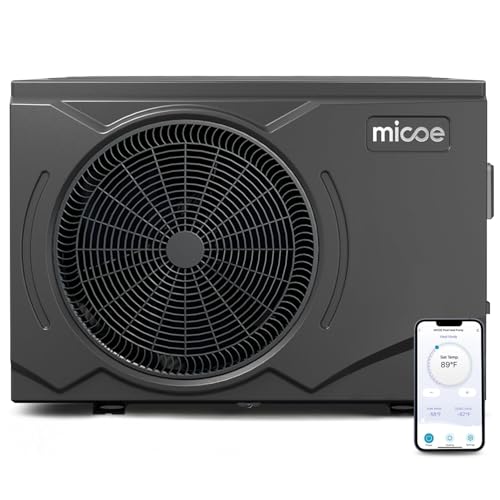
MICOE 35000 BTU Pool Heat Pump for 12000 Gal Pools

Xyloz 120V 1500W Immersion Water Heater with GFCI

MICOE 18000 BTU Pool Heater for Above Ground Pools
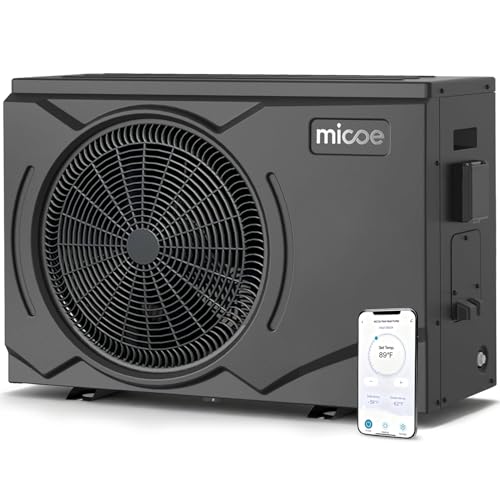
MICOE 100000 BTU Pool Heat Pump for 26000 Gal Pools

Hayward H-Series Natural Gas Pool Heater 250000 BTU

Varpoolfaye 16000BTU Pool Heat Pump Up to 5000 Gallons
Hayward H-Series Propane Pool Heater 250000 BTU
A Breakdown Of The Leading Choices
Mid-size residential pools benefit most from a unit that handles both warming and cooling, and this MICOE model does both. A heat pump pulls heat from ambient air (the surrounding atmosphere) and pushes it into the water, rather than burning fuel, so running costs stay reasonable across shoulder seasons. The dual-mode design reaches up to 104°F in heat mode and drops to 82°F for cooling when summer gets brutal.
Where the earlier pool-heater options on older lists were strictly one-trick, this inverter-driven unit adjusts compressor output to match demand, which trims energy use during mild weather. For a roughly 12,000-gallon inground or larger above-ground setup, that’s the sweet spot between overkill and underperformance.
Strong Points
- Heat and cool modes extend comfort from early spring through peak summer
- Titanium heat exchanger resists corrosion in saltwater and mineral-heavy water
- Inverter compressor scales output, so running costs stay reasonable during mild weeks
- Quiet enough for most suburban lots, even on overnight timers
Things To Consider
- Heat pumps lose efficiency once outdoor air drops below the 50s, so cold-climate owners may need backup
- Initial setup typically calls for a licensed installer, adding to upfront cost
Feature Snapshot
Who It Suits Best
Homeowners with mid-size inground pools in mild-to-moderate climates who want a year-round water temperature range without the fuel bills of a gas unit.
Consider Something Else When
Shoppers running a much larger residential pool should look at the MICOE 100,000 BTU Pool Heat Pump, which is rated for up to 26,000 gallons and won’t struggle at that scale.
This is the odd one out in a roundup of pool heat pumps, and that’s exactly the point. The Xyloz immersion heater is a submersible element you drop directly into a tub, bucket, or shallow inflatable pool, then plug into a standard 120V outlet. The built-in GFCI (ground-fault circuit interrupter, a safety device that cuts power instantly if it detects electrical leakage through water) cuts power fast if it senses a fault, which is the kind of detail that matters when electricity and water share a container.
For full-size inground pools, this isn’t the right tool. For quick warm-ups in a stock tank, kiddie pool, or portable spa, it does the job in minutes without permanent installation. Compared to the MICOE 35000 BTU Pool Heat Pump, which serves 12,000-gallon residential pools, this is the opposite end of the scale: small, cheap, and purpose-built for low-volume heating.
Advantages To Know
- Plugs into any standard 120V outlet, no electrician required
- Built-in thermostat prevents overheating during long soaks
- Compact enough to store in a closet between uses
Worth Noting
- Not designed for full-size residential pools; best for tubs, buckets, and small inflatables
- Heating capacity drops sharply in larger water volumes, so patience is required for anything beyond a quick warm-up
Right Fit For
Renters, apartment dwellers, or anyone heating a portable spa, stock tank, or kiddie pool where a permanent heat pump isn’t practical.
Look Elsewhere When
Pool owners with a real inground or large above-ground setup will be happier with the MICOE 18000 BTU Pool Heater, which is purpose-built for actual swimming volumes up to 5,500 gallons.
There’s a real gap in the market between “tiny immersion coil” and “12,000-gallon heat pump,” and this MICOE 18,000 BTU unit fills it neatly. Rated for above-ground pools up to 5,500 gallons, it covers the most common backyard setup without the overkill of a larger commercial-style unit. Operating range stretches from a chilly 32°F ambient air to about 109°F, which means it keeps working through cold snaps that would shut down lesser heat pumps.
Where the Varpoolfaye 16000BTU Pool Heat Pump shares similar capacity, this MICOE leans toward above-ground geometry specifically, with airflow and footprint suited to sitting poolside rather than plumbed into a buried equipment pad. For a family pool that sees weekend use from April through October, that’s a thoughtful fit.
Notable Gains
- Reaches up to 104°F under typical conditions, extending shoulder-season swim windows
- Operates in ambient air as low as 32°F, which beats most entry-level heat pumps
- Sized for the most common residential above-ground pool volume, so it doesn’t waste energy cycling on a near-empty tank
Points To Note
- Heating performance slows noticeably once ambient temperatures drop into the 30s, so frigid-climate owners should set realistic expectations
- Like most heat pumps, the unit needs decent clearance around the intake and exhaust, which can complicate tight backyard layouts
Quick Facts
Best Suited To
Families with mid-size above-ground pools who want a longer swim season without stepping up to a heavy-duty inground unit.
Skip It When
Buyers with much larger pools should jump straight to the MICOE 100,000 BTU Pool Heat Pump, which is engineered for 26,000-gallon volumes.
When 18,000 BTU feels like bringing a butter knife to a catering job, this is the unit you actually need. The MICOE 100,000 BTU heat pump is rated for pools up to 26,000 gallons, putting it firmly in the large-residential and small-commercial category. Like its smaller sibling (the 35,000 BTU model earlier in this list), it uses a titanium heat exchanger that handles both freshwater and saltwater without corroding.
The honest read: this is overkill for a typical suburban backyard, but for a 20,000-gallon pool that takes half a week to heat with smaller equipment, it’s the right call. Inverter-driven compressors (variable-speed motors that ramp up and down based on demand rather than running at full blast constantly) help keep electrical costs reasonable for the size, which matters when the unit is running for hours at a stretch.
Benefits That Matter
- Heats 26,000-gallon pools in reasonable timeframes, where smaller units stall out
- Titanium heat exchanger handles saltwater systems without premature corrosion
- Inverter compressor modulates output to match real demand, trimming wasted energy
Practical Considerations
- Large footprint requires planning for equipment-pad space and airflow clearance
- Electrical draw typically calls for a dedicated high-amperage circuit and possible panel upgrade
- Heat-pump output still tapers in very cold weather, so consider supplemental heating in northern climates
Feature Card
Who Should Grab It
Owners of large inground pools who want a single, properly sized heat pump instead of a smaller unit running nonstop.
A Better Fit Elsewhere
Homeowners with modest-size pools will be happier with the MICOE 18000 BTU Pool Heater, which costs less to buy and run for sub-6,000-gallon setups.
Gas heaters work on a different principle than heat pumps. Rather than extracting warmth from ambient air, they burn natural gas to heat water directly, which means they hit target temperatures fast even on a 40°F day. The Hayward H-Series in this 250,000 BTU natural gas configuration is sized for inground pools with up to 750 square feet of surface area, a comfortable margin for most family pools.
The trade-off is operational cost. Gas units cost more per hour to run than heat pumps, but they’re unbeatable for fast recovery after a cold rain or for heating a pool that sat unused all week. Compared to the heat-pump options in this roundup, gas wins on speed and cold-weather reliability, then loses on monthly bills during long heating sessions.
Positive Points
- Heats water quickly regardless of outdoor air temperature, unlike heat pumps that lose efficiency in the cold
- Cupro nickel heat exchanger (a copper-nickel alloy) resists corrosion from unbalanced water chemistry
- 250,000 BTU output covers most residential inground pools without a long warm-up delay
Less Ideal Details
- Natural gas line installation may require utility coordination and permits, adding lead time
- Operating cost runs higher per heating hour than heat-pump alternatives, especially for long warm-ups
- Non-returnable shipping classification means damaged-in-transit claims need to be handled directly with the seller
Spec Overview
Perfect Match For
Pool owners with an existing natural gas line who want fast heat-up and reliable cold-weather performance above all else.
Reach For A Different Pick When
Off-grid homes without a gas line should consider the Hayward H-Series Propane variant (covered next) or the MICOE 100,000 BTU Pool Heat Pump if electrical capacity is more available than fuel infrastructure.
Not every backyard has 240V service at the equipment pad, and forcing an electrical upgrade just to heat a small pool feels like punishment. The Varpoolfaye 16,000 BTU unit sidesteps that pain by running on 110V, which means it plugs into the same outlets your patio lights use. The trade-off is capacity: it’s rated for pools up to 5,000 gallons, which covers small above-ground setups and modest inground pools.
Compared to the MICOE 18000 BTU model, the Varpoolfaye trades a touch of output for easier electrical compatibility. For a renter, a guest house pool, or a small backyard setup on a basic circuit, that compromise often makes sense.
The Value In It
- Runs on standard 110V household current, no panel upgrade required
- Works with both freshwater and saltwater systems
- Compact footprint fits tight equipment areas
Trade Offs
- Lower output means longer warm-up times compared to higher-BTU alternatives
- Heat-pump efficiency drops in cold ambient air, so northern climates may see limited shoulder-season use
- At maximum pool capacity, expect a multi-day heat-up from cold
Whose Shelf It Belongs On
Pool owners with limited electrical service and a small pool who want heat-pump efficiency without hiring an electrician.
Another Choice May Suit
Buyers needing faster recovery on a slightly larger pool should step up to the MICOE 35000 BTU Pool Heat Pump, which covers 12,000-gallon volumes with 240V wiring.
For inground pool owners without a natural gas line, propane delivers the same fast, weather-independent heating as its gas sibling. The Hayward H-Series propane version ships at 250,000 BTU and is sized for the same pool surface area as the natural gas model, so you’re trading fuel delivery method for identical heat output. An intuitive front control panel with a digital LED display makes day-to-day operation straightforward, even for first-time pool-heater owners.
The honest trade-off is fuel logistics. Propane requires a tank (rented or owned from a local supplier), periodic refills, and a level placement area. In return, you get rapid heat-up in any climate, which no heat pump on this list can match when temperatures plummet.
Noteworthy Benefits
- Fast heat-up regardless of outdoor temperature, ideal for last-minute swim plans
- Digital LED display and self-diagnostic monitoring simplify operation and troubleshooting
- Same durable cupro nickel heat exchanger as the natural gas variant
Soft Spots
- Propane fuel costs run higher per heating session than natural gas, depending on regional pricing
- Tank placement requires adequate clearance and a service path for refills
- Non-returnable shipping classification means transit damage must go through the seller’s claim process
Key Attributes
Made For
Rural and off-grid pool owners who want gas-fired performance without running a new natural gas line to the equipment pad.
Swap It Out When
Suburban shoppers with an existing natural gas line and a focus on long-term operating cost should consider the Hayward H-Series Natural Gas Pool Heater instead, which avoids propane refills.
Matching Pool Heaters To Real-World Setups
Right-Sizing BTU Output To Your Pool
The single biggest decision is matching heating capacity to your actual water volume. A rough rule: 50,000 BTU handles around 10,000 gallons in mild climates, while larger pools need proportionally more. The MICOE 18000 BTU Pool Heater covers a 5,500-gallon above-ground pool comfortably, while the 100,000 BTU MICOE handles 26,000-gallon inground pools. Oversize wastes money upfront and cycles inefficiently; undersize leaves you swimming in lukewarm water for the entire shoulder season.
Heat Pump vs. Gas: The Real Trade-Off
Heat pumps cost less per hour to run but lose output as outdoor air drops below 50°F. Gas heaters (natural gas or propane) heat water regardless of weather, but cost more to operate. For pool owners in mild climates who heat frequently, heat pumps win on long-term cost. For those in northern zones or anyone wanting on-demand heat for occasional weekend use, gas delivers what heat pumps can’t.
Electrical And Fuel Requirements
Heat pumps need a dedicated circuit, and larger units require 240V service at the equipment pad. The Varpoolfaye 16,000 BTU runs on 110V, which sidesteps panel upgrades for small pools. Gas heaters need a fuel line (natural gas from the utility, or a propane tank on-site), proper venting, and clearance from combustible surfaces. Plan for installation lead time on either path, especially for new gas lines or electrical panel work.
Common Slip-Ups And When To Spend More
Where Shoppers Go Wrong
The most common mistake is buying a heat pump rated for a pool larger than yours, which leads to short cycling (the unit turning on and off rapidly without completing a full run cycle), wasted energy, and uneven water temperature. The opposite error is undersizing a unit for a big pool and expecting it to keep up during cold snaps. Another frequent issue is forgetting about electrical capacity: a 240V heat pump on a 110V-only panel means a costly service upgrade before the first swim.
Where The Extra Money Goes
Higher-tier models earn their premium through titanium heat exchangers (which outlast cupro nickel in saltwater systems), inverter-driven compressors (which modulate output to match demand rather than running flat-out), and dual heat-and-cool modes that extend comfort across more months. For large pools or cold climates, that extra capacity translates into usable swim days rather than a unit that struggles to hit 80°F by July. The upgrade pays off when you actually use your pool beyond peak summer, not when you only swim in August.


