

A pool deck takes a beating. UV bakes the surface all summer, winter freezes push moisture into every tiny gap, and chlorine creeps into seams that were never designed for constant immersion. The right caulk around skimmers, returns, tile lines, and expansion joints keeps water where it belongs and protects the shell from slow, expensive damage.
This list covers seven silicone sealants worth a look for poolside jobs. Most are general-purpose bathroom or window formulas that homeowners routinely adapt to deck and coping work, so fit depends on the surface and the exposure. Read the specs, match them to the job, and the results tend to hold up season after season.
A Snapshot Of The Selections

GE All Purpose Silicone Caulk for Window & Door, Clear 10.1 oz

GE Silicone Caulk for Tub & Tile Kitchen & Bath 10 oz

Gorilla 100% Silicone Caulk 2.8oz Squeeze Tube
GE All Purpose Silicone Caulk 10 oz Clear

SILIMAX All-Purpose 100% Silicone Caulk Clear
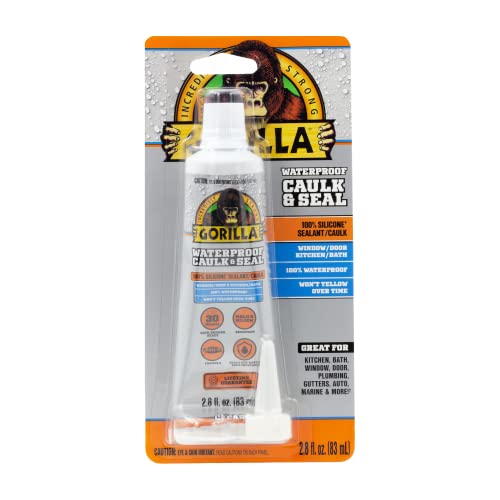
Gorilla Waterproof Caulk & Seal 2.8oz Squeeze Tube

GE Advanced Silicone Caulk for Kitchen & Bath 2.8 oz
A Deeper Look At The Lineup
The 10.1 oz GE cartridge is a workhorse for outdoor joints that have to handle both summer heat and winter freeze. Around a pool deck, that matters: coping seams shift with temperature swings, and a caulk that cracks after one cold snap turns into a leak path by spring.
It bonds well to vinyl liner tracks, aluminum coping, and concrete, which covers most residential pool builds. The clear finish blends into stone or aggregate decks without leaving an obvious bead. For most homeowners sealing expansion joints or where the deck meets the patio, this formula has the right balance of flexibility and weather tolerance.
Bright Spots
- Stays flexible through freeze and sun cycles, so joints keep sealing season after season
- Clear finish keeps stone and aggregate decks looking clean without a visible color line
- Standard 10.1 oz cartridge fits any common caulk gun, no special tool needed
- Holds onto mixed surfaces like vinyl, aluminum, and concrete without a separate primer
Trade Offs
- Not formulated specifically for constant submersion, so underwater tile work is a stretch
- Vinegar-cure silicone releases a noticeable smell during application, plan on ventilation
- Once cured, paint will not stick to the surface, so color-matched finishes need pre-planning
Right Fit For
Homeowners sealing deck-to-coping expansion joints, skimmer collars above the waterline, and patio transitions exposed to full weather.
Reach For A Different Pick When
Tile waterline work benefits more from the mildew-tuned formula of the GE Silicone Caulk for Tub & Tile reviewed below, since it is built for wet zones around fixtures.
Tub and tile formulas earn their keep wherever water sits against grout and fixture edges. The GE 10 oz cartridge is the same 100% silicone base as the all-purpose version, tuned for ceramic, porcelain, and stone surfaces common around a pool’s waterline band.
It handles the kind of splash chemistry that breaks down ordinary caulk. Chlorinated water, sunscreen residue, and constant dampness all hit tile lines, and a flexible silicone that resists mildew keeps the joint looking right longer. For pool tile repair, waterline reseals, or sealing where spillover meets stone, this is a steady choice.
Everyday Perks
- Stays rubbery rather than hardening, so it flexes with tile movement and grout expansion
- Clear bead disappears on most glass tile and light stone without an obvious caulk line
- Adheres to ceramic, porcelain, and laminate, which covers most pool finishes and trim
- Cures into a watertight skin that holds up to daily splash and pool-chemical exposure
Honest Caveats
- Not a true underwater-cure formula, so applying below the waterline requires draining the area first
- Surface must be fully dry before application or the bond can fail at the edges
Quick Facts
Who It Suits Best
Homeowners resealing the waterline tile band, pool shower walls, or any splash-prone transition where mildew resistance matters more than deep flexibility.
A Better Fit Elsewhere
Large deck expansion joints exposed to direct sun need the broader weather range of the GE All Purpose Silicone Caulk, which is rated for outdoor freeze and sun cycles.
Small tube, fast cure. The Gorilla 2.8 oz squeeze tube is shaped for spot repairs where dragging out a caulk gun feels like overkill. Around a pool, that translates to quick fixes on a cracked skimmer lip, a loose return fitting faceplate, or a pinhole in a coping seam.
The real headline is the 30-minute water-ready window. A short wait before refilling or splashing is the difference between a one-evening project and a weekend shutdown. The 10-year mold and mildew resistance claim also suggests this tube handles the same damp conditions as the larger cartridges, just in a smaller package.
What Earns Its Place
- Squeeze tube skips the caulk gun, which is handy for one-handed repairs in tight spaces
- Water exposure in about 30 minutes, fast enough to reseal and refill the same day
- 10-year mold and mildew resistance built into the cured bead
- Clear formula stays visually neutral on white, gray, and stone surfaces
Points To Note
- 2.8 oz runs out fast on anything bigger than a small patch, plan on multiple tubes for whole-jobs
- Squeeze tubes give less bead control than a gun-loaded cartridge, so clean-up takes patience
Made For
Quick patch jobs on skimmer faces, return fittings, and coping cracks where speed matters more than volume.
Skip It When
Long runs of deck expansion joint need the larger GE All Purpose Silicone Caulk, which is easier to gun in steady beads across many feet of seam.
The newer GE All Purpose 10 oz formula is the same cartridge format as pick one, but the maker leans into stronger adhesion across mixed substrates. For pool owners dealing with old concrete patched to new coping, or aluminum track joined to PVC, that extra grip is what keeps a joint from peeling in the second summer.
It also holds its flexibility in cold and sun, the same traits that make any outdoor silicone worth using. The clear cure blends into aggregate and stone without highlighting the repair, which matters on a finished pool deck where a colored bead would draw the eye.
A Strong Showing
- Stronger adhesion helps on tricky mixes like old concrete to new aluminum coping
- Freeze and sun rated for full outdoor exposure in any climate zone
- Standard 10 oz cartridge, so any household caulk gun handles it
Worth Noting
- Not designed as a true underwater-curing sealant, drain the area before application below the tile line
- Cured bead is paint-shy, so color matching needs to happen before the caulk goes down
Key Product Details
Who Will Love This
Pool owners with mixed-material coping or older decks that have started to separate at transitions, where standard silicone keeps pulling free.
Consider Something Else When
Small touch-ups are easier with the Gorilla 2.8 oz squeeze tube, which avoids loading a gun for a single short seam.
The SILIMAX tube reads more like a generalist, sold for tubs, showers, and bathtubs as much as for outdoor use. That flexibility is useful in a backyard where the same tube might seal a pool shower, a pump house seam, and a back-door threshold over a single weekend.
It is built around the same 100% silicone base as the bigger names, and the waterproofing claim holds the same weight as a kitchen or bath formula. For homeowners who want one tube that can move between wet and dry jobs without buying three specialty products, this is a reasonable middle ground.
The Helpful Details
- Functions across bathroom, kitchen, and outdoor sealing without a separate tube for each
- Clear finish works on tile, glass, and stone without leaving a visible color line
- Stays flexible after curing, so daily expansion and contraction does not crack the bead
Some Limits To Know
- Positioned as bath and shower first, so freeze-cycle performance is less documented than dedicated outdoor formulas
- Brand recognition is thinner than GE or Gorilla, so sourcing the same product for touch-ups later takes more effort
Best Suited To
Homeowners with a mixed list of sealing jobs, from a pool shower to a back patio, who want one tube to cover it all.
Where Another Pick Suits Better
Hardcore outdoor exposure in cold-winter climates calls for the GE All Purpose Silicone Caulk, which is explicitly rated for freeze and sun cycles.
Gorilla’s other 2.8 oz tube leans into the marine and bath angle, with the brand explicitly calling out kitchen, bath, marine, and door use. Around a pool, the marine framing is the interesting piece: a bead that holds up to constant splash and chemical exposure is exactly what a pump pad or an equipment cover seam needs.
The 30-minute water-ready timing matches the smaller Gorilla tube in pick three, so the practical difference comes down to surface fit. This version is pitched as a tougher all-purpose option for places that see harder use, while the other is more of a quick patch.
What It Does Well
- Marine-rated framing means the cured bead handles constant wet and chlorinated exposure
- Mold and mildew resistance stops the dark spotting that ruins white seal lines in a season
- 30-minute water-ready window keeps weekend projects on schedule
- Won’t yellow, shrink, or crack over time on a sun-exposed equipment cover
Practical Considerations
- 2.8 oz runs thin on anything beyond a few feet of bead, so larger jobs need multiple tubes
- Squeeze format gives less control than a gun-loaded cartridge for neat finish lines
- Vinegar-cure silicone has a strong smell during application, worth ventilating enclosed pump rooms
Feature Snapshot
Right Fit For
Pool owners sealing around pump pads, equipment covers, and other marine-style hardware where constant moisture is the daily condition.
Look Elsewhere When
Long coping or deck joints are easier with the gun-loaded GE All Purpose Silicone Caulk, which lays a steady bead across many feet of seam.
The Advanced formula is GE’s higher-tier kitchen and bath sealant in a small 2.8 oz tube. The maker claims 5X the adhesion of the standard Silicone 1, plus 40% more flexibility than Class 25 sealants (a category of high-movement silicone defined by ASTM standards for joints that expand and contract heavily). For a pool waterline or a fixture edge that takes a daily splash, those numbers matter.
The trade-off is volume. A 2.8 oz tube is a precision tool, not a bulk seamer, so this is the right pick for short, high-stress joints where adhesion matters more than coverage. It also avoids discoloring high-end metal finishes like chrome and brushed nickel, which keeps fixture edges looking right.
What Pays Off
- 5X stronger adhesion versus the standard GE silicone, helpful on slick pool fixture surfaces
- 40% more flexibility than typical Class 25 sealants, so it absorbs wider joint movement
- Will not discolor chrome or brushed nickel finishes, keeping fixtures looking clean
Possible Compromises
- 2.8 oz tube size limits how far it reaches, so whole-deck jobs need many tubes or a different format
- Premium positioning means the price per ounce runs higher than the all-purpose 10 oz cartridges
Who Should Grab It
Homeowners with a handful of high-stress pool fixture seams, waterline tile edges, or chrome hardware that has kept peeling free with standard silicone.
Where A Sibling Pick Shines
Big deck-to-coping joints call for the GE All Purpose Silicone Caulk in the 10 oz cartridge, which lays a longer bead at a friendlier cost per ounce.
What Matters Most Before Choosing swimming pool caulk sealants
Match The Formula To The Exposure
The right silicone for a pool deck and the right silicone for a tile waterline are not the same product. Outdoor joints need freeze and sun ratings so the bead does not crack in winter or melt in August. Wet-zone joints around tile and fixtures need mildew resistance so the line does not turn black within a season. Read the application notes, not just the front label, because “all purpose” can mean very different things on different tubes.
Cartridge Size Changes The Whole Job
A 10 oz cartridge in a caulk gun gives long, steady beads and easy speed control for deck and coping work. A 2.8 oz squeeze tube is built for short repair patches, fixture edges, and places where a gun cannot fit. Picking the wrong size is the most common reason a caulk job ends up messy, since small tubes on big jobs run out mid-bead and big tubes on small jobs waste a lot of cured silicone in the nozzle.
Surface Prep Drives The Bond
Silicone hates dust, oil, and old caulk residue. Wipe the joint with isopropyl alcohol or a similar cleaner, let it dry fully, and remove any loose material before laying a new bead. Skipping prep is the most common reason a “guaranteed waterproof” line pulls free in the first month, regardless of which brand is on the tube.
Flexibility Beats Hardness
Poolside joints move with temperature, deck settling, and water pressure. A caulk that cures hard will crack the first time the gap widens. 100% silicone formulas stay rubbery, which is why every pick on this list uses that base. Latex caulks paint easier but tend to fail faster around a pool, so they are worth avoiding for anything below the waterline or in constant splash.
Key Considerations Across These Picks
Pitfalls Shoppers Hit
The most common error is buying a kitchen and bath formula and expecting it to handle direct deck exposure year-round. Many bath formulas hold up to splash, but not to the same UV load or freeze cycle a deck joint absorbs. The flip side also stings: grabbing a window and door formula for inside a tile line and watching mildew creep in by midsummer.
The other trap is ignoring cure time. Pool owners want to refill fast, and 30-minute water-ready formulas look tempting. The honest read is that “water ready” means splash, not full submersion, so leaving overnight is still the safer call for waterline or below-tile work.
Where The Extra Money Goes
Higher-tier formulas like the GE Advanced silicone put money into stronger adhesion and wider flexibility ranges, which matters on slick surfaces or joints that move a lot. The 5X adhesion claim is not marketing fluff, since pool fixtures and certain tile finishes are notoriously hard to bond to. A premium tube also tends to keep metal finishes from discoloring, which is a quiet but real benefit around chrome hardware.
Paying more makes sense for short, high-stress seams where failure means a leak. For long runs of deck joint, the better move is a workhorse all-purpose 10 oz cartridge, since the extra adhesion in a premium tube does not pay off the same way on long, simple expansion gaps.
Frequently Asked Questions
Can regular silicone caulk be used around a swimming pool?
Standard 100% silicone caulk rated for outdoor use works on pool deck expansion joints, coping seams, and above-waterline fixture edges. It is not a substitute for a true underwater-curing pool sealant, so below the waterline still needs a product designed for constant submersion.
How long does silicone caulk last on a pool deck?
A quality outdoor silicone typically lasts 5 to 10 years before UV, flex cycles, and chemical exposure break it down. Harsh sun, chlorinated splash, and full freeze-thaw winters shorten that window, while shaded and milder-climate joints often stretch past a decade.
Should pool caulk be silicone or latex?
Silicone is the better fit for pool work because it stays flexible, sheds water, and resists mildew far longer than latex. Latex paints easier, which helps for color matching, but it tends to harden, crack, and peel within a season of constant poolside moisture.
Do I need to drain the pool to re-caulk a waterline?
Yes, in most cases. Standard silicone does not cure reliably underwater, so a partial drain down to below the waterline gives a dry surface to bond to. Pool-specific underwater patch products exist for emergencies, but a planned reseal benefits from a dry joint.
What is the best way to remove old caulk before reapplying?
A plastic scraper or a caulk-removal tool lifts the bulk without scratching coping, followed by a wipe with isopropyl alcohol to clear residue. Avoid metal tools on finished stone or tile, since they leave marks that show through the new clear bead.
Wrap Up
The honest read on swimming pool caulk sealants is that the right pick depends on where the joint is, what it faces, and how much of it there is to seal. Deck and coping work leans outdoor-grade, waterline and fixture work leans mildew-resistant, and short repair patches favor squeeze tubes with fast water-ready times. Match the format to the job, prep the joint, and the seal tends to last for seasons without thinking about it.


