

Finding the right float for a child with sensory, motor, or developmental needs means looking past bright colors and focusing on stability, support, and how the float feels against sensitive skin. The goal is something that holds a wiggly, unpredictable swimmer in a calm, centered position, so water time stays therapeutic instead of stressful. You want gear that puts safety design first, with features like wide bases, non-slip seats, and UV canopies that don’t crinkle against a child’s face. This roundup pulls together ten options that lean into those priorities, from structured vests to seat-style floats that lock a child into a secure, upright posture. Each pick is evaluated for how well it adapts to varied ability levels, how the materials hold up to repeat use, and whether caregivers can get a child in and out without a wrestling match.
A Closer Look At The Lineup

GENTEACO Mambobaby Baby Swim Float with Canopy

VQ-Ant Mambobaby Float with Canopy (Improved Size)

BOffer 3D Car Baby Pool Float (0.35mm PVC)
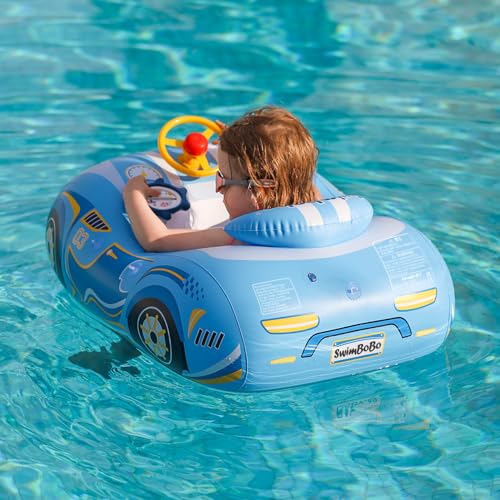
Swimbobo Inflatable Ride-On Airplane Toddler Float

DOOHALO Kids Arm Shoulder Float Vest (28-70 lbs)

Jasonwell 4-in-1 Inflatable Tanning Lounger (Rose, XL)

SwimWays Power Swimr Graduated Training Vest

JALAROMA 3D Car Toddler Float (0.35mm PVC, Canopy)

Jasonwell 4-in-1 Tanning Lounger (Mint Green, L)
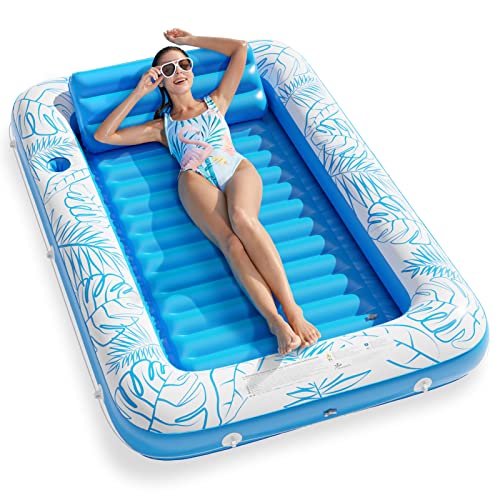
Jasonwell 4-in-1 Tanning Lounger (Standard L)
Inside Each Recommended Option
The GENTEACO Mambobaby takes a different route from traditional inflatable rings, instead using a solid foam core wrapped in soft, skin-friendly fabric. That non-inflatable design means there is nothing to deflate mid-session, which is a real relief for caregivers watching a child who cannot tell you the float is losing air. The built-in tail at the bottom helps anchor the baby in a face-up position, reducing the risk of flipping during excited kicking.
A detachable canopy provides shade without pressing against the face, and the seat-style wraparound keeps arms and legs free for natural movement. For infants with low muscle tone or sensory sensitivities, the soft fabric against bare skin tends to feel less startling than a slick plastic surface. It runs a bit larger than some comparable options, giving longer use across the 3-24 month window.
The Helpful Details
- Solid foam construction eliminates the anxiety of slow leaks during use
- Mesh-permeable bottom panel keeps skin ventilated and prevents moisture pooling
- Wraparound seat design supports trunk stability for children with low core strength
- Tail extension counteracts backward flipping, a common issue with seat-style floats
- Larger cut than typical mambo floats extends the usable age range
Honest Caveats
- Fabric layers take longer to air-dry than a standard PVC ring, so plan ahead between sessions
- Bulkier profile than inflatable options, taking up more room in a diaper bag
Made For
Infants in the 3-24 month range with sensory sensitivities or low muscle tone who need a stable, non-inflatable float for calm water introduction.
Consider Something Else When
You need a float for an older toddler past 24 months, where the JALAROMA 3D Car Toddler Float offers more room and a sturdier PVC build.
The VQ-Ant Mambobaby builds on the classic non-inflatable swim float with a three-layer construction: a soft outer fabric, a sealed waterproof membrane, and an inner pearl-foam core. The result is a float that stays buoyant without air, which matters when a child cannot yet communicate discomfort or float issues. A detachable UPF 50+ canopy with mesh side panels shields sensitive skin while letting caregivers keep visual contact at all times.
Compared to the GENTEACO option above, this one layers in higher UV protection, and the adjustable sizing accommodates larger babies within the same 3-24 month window. The smooth fabric feels gentle on eczema-prone or sensory-sensitive skin, and the pearl foam dries faster than older cotton-blend cores. For families managing sun exposure alongside motor or developmental concerns, the canopy alone justifies a closer look.
Noteworthy Benefits
- UPF 50+ canopy blocks harsh sun on delicate facial skin
- Three-layer design dries quickly between uses, reducing mildew risk
- Mesh side panels let caregivers maintain eye contact during float sessions
- Adjustable sizing fits a wider range of body types within the same age window
Worth Bearing In Mind
- Canopy attachment points can feel stiff when first adjusting
- Higher price tier than basic inflatable alternatives
- Hand-wash only; machine washing can damage the waterproof membrane layer
Quick Facts
Best Suited To
Infants with sun sensitivities or skin conditions like eczema who need a soft, non-inflatable float with reliable UV protection for outdoor pool use.
Look Elsewhere When
You want a simpler, lower-cost option and can skip the canopy, in which case the GENTEACO Mambobaby covers the basics at a friendlier price point.
The BOffer 3D Car float swaps the soft-fabric approach for thick, reinforced PVC built to handle enthusiastic toddlers. At roughly 0.35mm, the material is noticeably sturdier than the 0.18 to 0.25mm walls on many toddler floats, which translates into fewer surprise leaks during a season of regular pool days. A wide base with extended side wings resists forward tipping, and a deep seat with an integrated back cushion keeps a wiggly child centered.
The steering wheel and car-shape theme add visual interest, but the real value sits in the structural design. For children with motor planning challenges, the high sidewalls and fixed seat position create predictable boundaries they can lean against. Setup involves a manual pump, and the PVC wipes clean with a damp cloth after each use, which matters in shared or public pool settings.
Reasons It Performs
- 0.35mm PVC construction outlasts thinner budget floats over multiple seasons
- Wide, extended sides prevent forward flipping during active kicking
- Deep seat with non-detachable back cushion supports proper posture
- Wipe-clean surface handles sunscreen, chlorine, and snack residue easily
Possible Compromises
- Requires manual inflation each time, so a pump is essentially mandatory
- No canopy included, so sun protection is a separate purchase
Whose Shelf It Belongs On
Active toddlers 12-36 months who need a reinforced, tip-resistant seat for repeated pool days at home or at a caregiver’s home.
Swap It Out When
You want built-in sun coverage and a softer fabric feel, in which case the JALAROMA 3D Car Toddler Float with Canopy addresses both gaps.
The Swimbobo Airplane float leans into imaginative play with a ride-on airplane design that doubles as a stable seat float. A low center of gravity and an open cockpit-style seating area keep a young child positioned without restrictive leg holes, which helps kids who dislike the squeeze of a mambo-style wraparound. The airplane shape also provides built-in side supports that act like armrests, giving a child something to grip during splash sessions.
Available in two colorways, blue sport car and green animals, it deflates flat and fits into a standard tote, which matters for families who travel to grandma’s house or a rental with a pool. For children who resist traditional floats because the textures or shapes feel unfamiliar, the friendly vehicle styling can lower anxiety around water entry. Caregivers should always remain within arm’s reach, and the manufacturer explicitly flags this as a water toy, not a lifesaving device.
Real-World Strengths
- Deflates flat for packing in luggage or beach bags
- Open seat design avoids the leg-hole squeeze of traditional float rings
- Imaginative airplane shape encourages reluctant swimmers to approach the water
- Two color options let families choose a theme their child responds to
Trade-Offs To Consider
- Inflatable design requires checking pressure before each use
- Open cockpit offers less trunk support than enclosed seat floats
Right Fit For
Traveling families with toddlers who respond better to themed, vehicle-shaped floats than to traditional rings or wraparound seats.
A Better Fit Elsewhere
You need firmer trunk support for a child with low core tone, where the BOffer 3D Car Float provides a deeper, more structured seat.
The DOOHALO Arm Float Vest steps away from the seat-float category entirely, instead offering a sleeve-and-buckle design that lets a child move more freely in the water. Kids pull the vest over their arms and snap a back buckle, which means less lifting and wrestling for caregivers during transitions. The arm-and-shoulder flotation pattern keeps the head above water while leaving the chest and legs free for natural kicking, which helps children build actual swim skills instead of just floating passively.
It covers a 28-70 pound range, fitting most children from age 2 through 8, with an adjustable back strap that grows alongside the child. For kids in swim lessons or sensory-friendly therapy programs, the vest’s familiar clothing-like feel can reduce the “I’m trapped” resistance that rigid floats sometimes trigger. It’s worth measuring your child’s chest and arm length before ordering, since the fit varies more than with a one-size seat float.
What Helps Most
- Adjustable back strap extends usable life across multiple years
- Vest format feels like clothing, easing sensory-sensitive children into the water
- Frees the legs for kick practice, supporting actual swim-skill development
- Quick on-and-off design streamlines transitions during group lessons
Soft Spots
- Provides less trunk support than enclosed seat floats for non-swimmers
- Fit varies by child proportions, so size checking is essential before use
- Not suitable for infants who cannot yet hold their heads up independently
Feature Card
Who Will Love This
Children ages 2-8 in formal swim lessons or therapy programs who need a wearable, adjustable float that supports skill-building over passive floating.
Reach For A Different Pick When
You need flotation for a child who is not yet sitting independently, where the SwimWays Power Swimr Vest offers more adjustable buoyancy support.
The Jasonwell 4-in-1 Lounger shifts the conversation from active swimming to calm, supported water relaxation, which is a different need entirely. A removable pillow cradles the neck, and a ribbed air-cushion base creates a softer surface than a hard pool ledge. Teens and adults with sensory processing differences, anxiety around water submersion, or mobility limitations that make active swimming exhausting often do better with this kind of passive, full-support option.
Fill the base with water and it becomes a personal soaking tub; leave it empty and it functions as a traditional float. The rose colorway and XL sizing suit larger teens and adults, and the soft inflatable walls reduce the abrupt edge feel that can startle sensory-sensitive users. Caregivers should note this is a leisure product, not a swim-training tool, so it pairs best with shallow-water supervision routines.
Notable Gains
- Removable pillow supports neck alignment for users who cannot easily reposition
- Ribbed air-cushion base softens the surface against bare skin
- Water-fillable base creates a personal pool for users overwhelmed by large bodies of water
- XL sizing accommodates teens and adults, filling a gap most toddler floats ignore
Where It Is Less Suited
- Not designed for swim training or active play
- Larger footprint requires more deck or yard space for storage and use
Built With In Mind
Teens and adults with sensory needs, anxiety around water, or mobility limitations who benefit from a calm, fully supported lounging experience rather than active swimming.
Not Your Match When
You need a float for a child still in the early swim-learning stage, where the SwimWays Power Swimr provides the structure and graduated support lessons require.
The SwimWays Power Swimr operates on a graduated training model, meaning the float level changes as the child’s skill grows. Inside the vest sit nine removable foam pads, and caregivers pull them out one at a time as the child gains confidence and technique. This is the third step in the Swim Steps program, so it suits children who have moved past basic water acclimation and are ready for structured skill work.
Adjustable elastic side cords and a leg strap keep the vest from riding up during kicking drills, and the medium size fits a wide range of body types within the target age window. The shark colorway and pattern add visual appeal, which helps motivate kids who are wary of the water. Compared to the DOOHALO vest covered earlier, this one offers more granular control over flotation levels, making it a better fit for sustained skill progression.
What Pays Off
- Nine removable pads let caregivers dial flotation to the child’s exact skill level
- Graduated design prevents the common “vest dependency” that stalls progress
- Elastic side cords and leg strap keep the vest positioned during active drills
- Fits into a structured swim-curriculum framework for measurable progression
Smaller Limitations
- Removing and replacing pads takes time, so transitions between skill levels require planning
- Medium size may not fit very small or very large children in the recommended age range
Quick Reference
Who Should Grab It
Families running a structured swim-training program who want a vest that evolves with their child’s skills rather than locking in a single float level.
Where A Sibling Pick Shines
You need a float for a child just starting out and not yet ready for graduated training, where the DOOHALO Arm Vest offers simpler, fixed flotation for early lessons.
The JALAROMA 3D Car Float builds on the same reinforced PVC formula as the BOffer option covered earlier, but adds an attachable canopy for sun protection. The 0.35mm wall thickness is the key durability story, holding up to the kind of grabby, bitey, kick-heavy use toddlers dish out. A widened seat base and deeper leg wells keep the child centered, while the backrest cushion prevents the forward slump that makes some toddlers feel like they’re sliding out.
Two colorways, blue and pink, each come with a canopy option, giving families a way to match the float to their child’s preferences. The 12-48 month age range is broader than most toddler floats, and the reinforced seams are designed to resist the kind of slow leaks that show up mid-season. Compared to the BOffer version, this one is the better pick for outdoor use where sun exposure is a real concern.
The Value In It
- Heavy-duty 0.35mm PVC walls resist punctures and seam splits
- Detachable canopy shields sensitive skin during longer outdoor sessions
- Wide seat base prevents forward tipping during active play
- Extended age range covers 12-48 months in a single product
Practical Considerations
- Canopy adds bulk during storage and transport
- Heavier than thin-PVC floats, so it takes longer to fully inflate
Spec Overview
Perfect Match For
Toddlers 12-48 months who spend long stretches outdoors and need a tip-resistant seat with built-in sun protection that holds up to daily use.
Skip It When
You want a non-inflatable option for a younger infant, in which case the GENTEACO Mambobaby offers a foam-core alternative for the 3-24 month window.
The mint green Jasonwell lounger offers the same 4-in-1 versatility as the rose XL covered earlier, just in a different size and color profile. The L sizing fits most older kids and smaller teens, which is a category most toddler floats completely ignore. The ribbed air-cushion base and integrated pillow deliver a calmer, more supported floating experience than a plain pool noodle or ring, and the soft mint color tends to feel less overstimulating than bright primary options.
For sensory-sensitive children who find loud colors agitating, the muted palette alone can make pool time more approachable. Water-fillable and multi-use, the lounger shifts from a personal soaking tub to a floating mat to a ball pit depending on the day. Caregivers should treat it as a relaxation tool rather than an active-play float, and supervision within arm’s reach remains essential.
Positive Takeaways
- Muted mint palette reduces visual overstimulation for sensory-sensitive users
- Ribbed base cushions the body against hard pool edges and floors
- Multi-use design adapts to lounging, soaking, or ball-pit play
- L sizing fills the often-ignored older-kid and preteen gap
A Few Limitations
- Not suitable for active swimming or skill-building use
- Requires a pump for inflation and a flat surface for water-fill configurations
The Right Fit
Older kids and preteens with sensory sensitivities who need a calm, low-stimulation water lounging option that grows with them past the toddler years.
Where Another Pick Suits Better
You need active-flotation support for swim lessons, where the SwimWays Power Swimr provides the structured, graduated training the Jasonwell lounger does not.
The standard L Jasonwell lounger rounds out the list as a versatile, multi-use water feature for users past the toddler stage. It pulls double duty as a tanning mat, personal pool, lounger, lake float, and ball pit, so a single product covers a wider range of play patterns than most pool gear. The integrated pillow and ribbed air-cushion base keep the body supported during longer floating sessions, which matters for users who fatigue easily in the water.
Compared to the rose XL and mint L versions covered earlier, this one targets a slightly different use case: pool parties, shared family time, and casual water play rather than purely sensory-friendly support. It’s a solid all-rounder for families who want one inflatable that handles multiple roles across a long summer. The trade-off is that it doesn’t specialize, so users with very specific sensory or motor needs may do better with a more targeted option.
Strengths Worth Knowing
- Five-function design replaces several single-purpose inflatables
- Integrated pillow and ribbed base reduce body fatigue during long sessions
- L size fits older kids through most adult body types
- Works in pools, lakes, and calm shallow water settings
Honest Caveats
- Larger footprint demands more deck or yard space than a simple ring float
- Generalist design lacks the targeted sensory or training features of specialized picks
Feature Snapshot
Made For
Families looking for a single multi-use inflatable that handles lounging, casual play, and shared water time for older kids through most adults.
Consider Something Else When
You want sensory-specific design for a user with high support needs, where the mint L Jasonwell lounger offers a calmer color profile and similar comfort.
Choosing the Right Float for Your Child’s Needs
Selecting a float for a child with sensory, motor, or developmental differences means starting with the specific challenge you are navigating. Children with low core tone or trunk instability tend to do better with enclosed seat designs that lock the body into position, like the reinforced PVC car-style floats or the wraparound mambo seats covered above. Kids who resist enclosed spaces or leg-hole pressure often respond better to vest-style flotation that feels like clothing. The right call depends on which tradeoff matters more: trunk support or freedom of movement.
Material and Construction
The two main material paths are soft-fabric foam-core floats and reinforced PVC inflatables. Foam-core designs like the GENTEACO and VQ-Ant Mambobaby floats never deflate mid-use, which removes one anxiety variable for caregivers. PVC inflatables, especially the 0.35mm options, offer more durability against rough handling but require pressure checks before each session. PVC thickness matters: floats at 0.18 to 0.25mm walls tend to leak faster than 0.35mm builds.
Age and Weight Fit
Manufacturer age ranges are starting points, not guarantees. Children outside the listed weight range or proportion range for a given float will sit unevenly, which undermines the safety design. Measure your child’s chest, leg length, and weight before ordering a vest-style option like the DOOHALO or SwimWays picks. Seat-style floats with adjustable sizing, like the VQ-Ant Mambobaby, offer more forgiveness across the age window.
Sensory Considerations
Texture, color, and shape all matter for sensory-sensitive users. Soft fabric against bare skin feels less startling than slick PVC, but PVC wipes cleaner and dries faster. Bright primary colors can overstimulate, while muted tones like the mint Jasonwell lounger tend to feel calmer. Open-seat designs reduce the squeeze around the legs that some children find distressing. The right match is the one your specific child tolerates without distress.
Key Considerations Across These Picks
Mistakes Worth Dodging
A common trap is buying a float based on age range alone without checking weight and proportion. Children at the top or bottom of the recommended range often sit unevenly, which defeats the safety design. Another frequent misstep is choosing a float with bright colors or loud patterns for a sensory-sensitive child, which can backfire by increasing anxiety around water. Always do a dry-run fitting before pool day so you can adjust straps and check posture without a wet, slippery child adding stress.
The Upgrade Payoff
Higher-tier floats in this category earn their price through better materials, more adjustable sizing, and built-in features like UV canopies and graduated buoyancy. The VQ-Ant Mambobaby costs more than basic inflatable rings, but the UPF 50+ canopy and three-layer construction deliver genuine value for sun-sensitive users. The SwimWays Power Swimr costs more than fixed-flotation vests, but the nine removable pads let the same vest adapt across years of skill development. The upgrade is worth it when the additional features address a real need your child has, not when they just sound impressive on paper.
Frequently Asked Questions
What age can a baby use a pool float?
Most manufacturer guidelines start at 3 to 6 months for seat-style floats, though pediatric recommendations typically suggest waiting until a baby can hold their head up independently before any water activity. Always check weight and neck-strength cues alongside the age range printed on the packaging.
Are inflatable pool floats safe for special needs children?
Inflatable floats can work well for many children, but the safety depends on matching the float design to the child’s specific needs. Reinforced PVC with wide bases and deep seats offers more support for children with motor challenges, while vest-style options suit those building swim skills. Constant adult supervision remains essential regardless of design.
How do I clean a pool float after use?
Wipe PVC floats down with a damp cloth and mild soap, then air-dry fully before storing to prevent mildew. Fabric-covered foam-core floats like the Mambobaby options need hand-washing and extended drying time. Never machine-wash floats with sealed waterproof membranes, as the agitation can damage the inner layers.
Can a child with sensory issues use a regular pool float?
Many children with sensory differences do fine with standard floats, especially when caregivers match the float’s texture, color, and shape to the child’s specific sensitivities. Soft-fabric options feel less startling than slick PVC, and muted colors often work better than bright patterns. A dry-run at home before pool day helps identify any distress triggers.
How long do inflatable pool floats typically last?
A reinforced 0.35mm PVC float with proper care usually lasts two to three seasons of regular use, while thinner budget floats may need replacement every season. Fabric-covered foam-core designs can last longer since there is no air pressure to fail, though the fabric itself can stain or fade over time. Storage out of direct sunlight extends lifespan across all types.
The Takeaway
The right special needs pool float depends on what your child needs from water time: calm sensory support, structured skill-building, or simple safe fun. Foam-core mambo-style floats suit the youngest infants with sensory sensitivities, reinforced PVC seats work for active toddlers, and graduated training vests serve children building real swim skills. Whatever you choose, active supervision within arm’s reach remains the single most important safety layer, no matter how well-designed the float.


