

A semi-inground pool sits in a sweet spot for many homeowners, bridging the affordability of above-ground models and the visual polish of a fully installed basin. The catch is that the headline price rarely tells the full story, since water care gear, safety coverage, and replacement parts quietly add to the total. This list focuses on the supporting gear that actually shapes what people spend after installation, from filter gauges to winter covers and water-treatment supplies. The picks below suit common semi-inground setups and pair naturally with the kind of equipment pool owners run into during their first few seasons.
A Side-By-Side Look
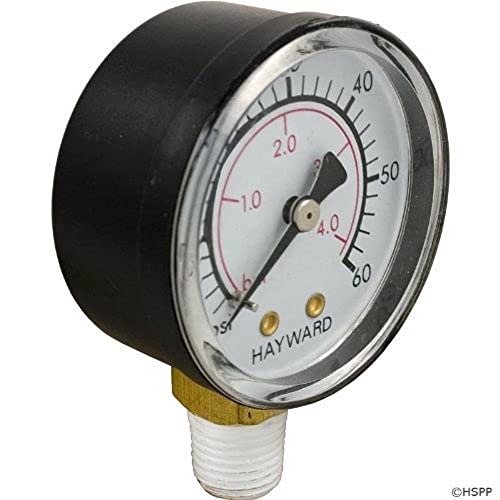
Hayward ECX270861 Boxed Pressure Gauge Replacement

Lynkron Pool Safety Cover Rectangle Mesh Green
Lynkron Pool Safety Cover Rectangle Mesh Blue

chicarry 100 Pack Pool Skimmer Socks Reusable

MAV AquaDoc Hot Tub Clarifier 16oz
Inside Each Recommended Option
Pool pressure gauges are small but consequential, and this Hayward boxed unit covers an unusually wide range of the brand’s filter lineup. It fits Micro-Clear vertical grid D.E. filters, Perflex extended-cycle D.E. systems, and a long list of sand filter models including the EC30, EC40, EC40AC, S160T, S200, S240, S245T, and S190T. For semi-inground owners running Hayward gear, that kind of cross-compatibility removes the guesswork when one gauge finally gives out after years of service.
For most pool owners, the gauge only matters when something feels off with flow or filtration, and that’s exactly when a reliable reading pays off. A sluggish reading usually points to a dirty filter, but only a working gauge can confirm it.
Useful Strengths
- Broad compatibility with Hayward Pro Series sand filter models including S210S, S244S, S310S, and the full S140T through S270T range
- Covers both D.E. and sand filter households, so mixed-equipment owners only need one replacement part on hand
- Boxed form factor helps protect the dial during storage in a shed or garage
- Genuine OEM-style fit reduces the risk of leaks at the threaded port that a mismatched aftermarket gauge can create
Things To Consider
- Only useful for households already running compatible Hayward filtration, so it offers nothing to owners on different brands
- Like most analog gauges, the needle can stick after long idle winters; periodic tap-checks help confirm it’s not lying
Feature Snapshot
Right Fit For
Hayward owners who want a confirmed-fit replacement gauge and already know their filter model number.
Skip It When
Non-Hayward households should look at the chicarry 100 Pack Pool Skimmer Socks instead, which work regardless of the filter brand already in place.
Winterizing is one of those line items that quietly shapes what a semi-inground pool actually costs to own, and a sturdy safety cover sits at the center of that. This Lynkron rectangle mesh cover is built for inground pools and is constructed with triple-stitched seams aimed at high strength under snow load. The mesh format lets rainwater pass through instead of pooling on top, which reduces the risk of a heavy, sagging cover dragging on the deck.
For households in regions with real freeze-thaw cycles, the cover pulls double duty: it keeps debris out and creates a safer surface for kids and pets walking near the pool. Compared to a tarp-and-bricks setup, a properly fitted cover removes a lot of seasonal guesswork.
What It Does Well
- Triple-stitched construction aimed at resisting tear propagation through harsh winters
- Mesh design sheds water rather than collecting it, easing the load on anchors and the surrounding deck
- Rectangle footprint suits the most common semi-inground pool shapes, simplifying measuring and ordering
- Green colorway blends into many backyard landscapes, especially yards with lawn edging close to the pool
Worth Noting
- Mesh allows fine silt to pass through over time, so a spring opening usually still requires some vacuuming
- Proper installation depends on the right anchor count and layout; under-anchored covers tend to shift in wind
Made For
Homeowners in snowy or leaf-heavy regions who want a structured winter barrier rather than a makeshift tarp solution.
Look Elsewhere When
Anyone wanting a color other than green should consider the Lynkron Pool Safety Cover Rectangle Mesh Blue, which shares the build with a different finish.
The blue variant of the Lynkron safety cover shares the same triple-stitched construction as the green version, which is the main point of this entry. The different colorway matters more than it sounds: a darker, water-toned cover tends to read as a deliberate design choice from the patio, while a bright green cover can sometimes clash with stone or modern decking. For households treating the winterized pool as part of the yard’s year-round look, that visual difference carries weight.
Functionally, nothing changes between the two options. UV protection, mesh permeability, and the rectangle footprint all carry over, so the decision comes down to color preference and how the cover reads against the home’s exterior palette.
Useful Highlights
- Same reinforced seam construction as the green Lynkron cover, so the durability profile stays consistent
- Blue tone often photographs better against neutral hardscapes and darker stone
- Mesh format keeps rainwater moving through instead of collecting on the surface
- Rectangle sizing covers the bulk of semi-inground pool layouts in suburban yards
Honest Caveats
- Color choice is the only meaningful difference from the green version, so the value depends entirely on aesthetic preference
- Like any mesh cover, expect some fine debris to pass through and settle by spring
Best Suited To
Style-conscious owners who want the same heavy-duty cover build but prefer a cooler color that pairs with stone or modern decking.
Swap It Out When
Households prioritizing yard-camouflage should grab the Lynkron Pool Safety Cover Rectangle Mesh Green, which disappears into lawn borders more easily.
Skimmer socks are one of the cheapest ways to extend filter life, and this 100-pack from chicarry covers a long stretch of pool seasons in a single order. The socks are made from ultra-fine nylon designed to slip over a standard skimmer basket, catching leaves, grass clippings, and pollen before they reach the pump. For semi-inground pools with mature trees nearby, that pre-filter layer is what keeps the main filter from clogging mid-summer.
The bulk format suits owners who’d rather not think about reordering for a while. A single sock typically lasts a few weeks in heavy-debris conditions, and 100 units means most households can swap and go through multiple seasons without running out.
Points In Its Favor
- 100-pack format offers long-term coverage without repeated reorders, lowering the per-season cost
- Reusable design lets owners rinse and reuse between cleanings, reducing waste
- Ultra-fine nylon weave targets the small particles that usually slip past a bare skimmer basket
- Works for both above-ground and inground setups, so it stays useful even if the pool type changes
Points To Keep In Mind
- Socks need regular rinsing; a clogged sock restricts flow and can starve the pump, so weekly checks help
- 100 units is a lot of storage for owners with limited shed space, so plan a dry bin or sealed container
Quick Facts
Perfect Match For
Pool owners with leafy yards who want a low-cost, low-effort way to keep debris out of the filtration system.
Reach For A Different Pick When
Households needing a specific replacement filter gauge should look at the Hayward ECX270861 Boxed Pressure Gauge Replacement instead.
Cloudy water is one of the most common complaints from new spa owners, and a clarifier like the AquaDoc 16oz bottle is designed specifically for that issue. A clarifier works by gathering tiny suspended particles together, almost like a magnet, so the filter can actually grab them instead of letting them float around. The 16oz format is sized for routine hot tub maintenance rather than a one-shot rescue, which suits owners who treat water care as a weekly habit.
For semi-inground households that also run a hot tub, this picks up the slack that the larger pool’s filter system doesn’t touch. Smaller water volumes turn cloudy much faster, so a dedicated spa product earns its place on the shelf.
A Few Strong Suits
- Targets micro-particles that pass through standard spa cartridges, restoring clear water without draining the tub
- Compatible with ongoing sanitizer and pH routines, so it slots into existing water-care schedules
- 16oz bottle covers multiple treatments for a typical residential hot tub
- Works alongside filter-cleaning routines rather than replacing them
Trade Offs
- Won’t fix water clarity problems caused by incorrect pH or sanitizer levels, so those need checking first
- Cartridge filters benefit from a rinse after each clarifier treatment, which adds a small maintenance step
Who Should Grab It
Spa and hot tub owners dealing with persistent haziness who already keep up with basic sanitizer balancing.
Consider Something Else When
Households focused on main-pool debris control will get more from the chicarry 100 Pack Pool Skimmer Socks, which addresses filtration at the skimmer stage.
What Shapes What You Actually Spend On A Semi-Inground Pool
The sticker price on a semi-inground pool rarely reflects the full cost curve. Installation labor, permits, electrical work, and water delivery each add meaningful amounts, and the gear around the pool quietly carries the ongoing expense. Filters, gauges, covers, and water-care products all sit in that ongoing bucket, which is why choosing durable versions of each tends to pay off over time.
Size And Shape Drive Material Needs
Bigger pools need more cover fabric, more sanitizer, and more replacement parts across a season. A rectangle 18-footer uses noticeably more skimmer sock material than a 12-foot round, and winter cover costs scale with square footage in the same way. Households should measure carefully before ordering any safety or winter cover, since returns on oversized covers eat into any savings.
Compatibility With Existing Equipment
Filter gauges, replacement parts, and accessories are rarely universal. A Hayward-branded gauge fits a defined list of models, and ignoring that list leads to a return trip. Before buying any replacement part, check the model number stamped on the filter head or pump housing. That single number usually tells you whether a part is a confirmed fit or a hopeful guess.
Climate Sets The Seasonal Workload
Cold-winter households face a real winterizing routine: cover, water-balance shutdown, and equipment winter prep all take time and supplies. Mild-climate pools skip most of that, but deal with longer algae seasons and more year-round filter runtime. Matching gear to climate matters: heavy-duty covers earn their cost in snowy regions, while consistent water-care products matter more in warm zones.
Long-Term Maintenance Versus Upfront Cost
Cheaper skimmer socks and aftermarket gauges save money now but may wear out faster. A slightly higher initial spend on a triple-stitched cover or a confirmed-fit gauge often outlasts two cycles of the budget version. For multi-season thinking, durability tends to be the smarter cost decision.
Key Considerations Across These Picks
Common Buying Slip Ups
The most frequent mistake is ordering a cover or filter part by pool size or color instead of by exact model number. Two rectangle pools with the same footprint can have very different cover dimensions once the deck and anchor spacing are factored in. Always measure twice, including the actual water surface, and confirm model compatibility for any filter-related part before checkout.
Where The Extra Money Goes
Higher-tier covers and OEM-branded replacement parts usually charge for confirmed fit and longer service life. A heavy-duty triple-stitched cover costs more up front but resists tearing through several winters, while a basic cover might need replacing every couple of seasons. The math depends on how long the pool stays in the ground, but most semi-inground owners keep theirs for many years, which tilts the value toward the more durable option.
Frequently Asked Questions
What typically drives the total cost of a semi-inground pool beyond the shell?
Installation labor, electrical hookups, permits, and water delivery make up the bulk of the add-on costs. Ongoing gear like winter covers, replacement filter parts, and water-care products also adds up over the pool’s life.
Are safety covers really necessary for semi-inground pools?
In regions with winter weather or heavy leaf fall, a fitted safety cover protects both the water and anyone walking near the pool. In mild climates, a simpler cover may be enough, though safety benefits still apply year-round.
How often do pool skimmer socks need replacing?
Most skimmer socks last a few weeks under normal debris load, though heavy pollen or leaf seasons shorten that. The 100-pack format covers most households through multiple seasons of swaps.
Can a clarifier fix cloudy hot tub water on its own?
A clarifier handles suspended particles but won’t correct underlying pH or sanitizer imbalances. Those need to be in range first for the clarifier to work effectively.
Is a pressure gauge something a pool owner can replace without a pro?
Most pressure gauges thread onto a standard port and only need basic hand tools to swap. The main step is confirming the filter model number matches the gauge’s compatibility list before installation.
Bottom Line
The real cost of a semi-inground pool stretches well past the install day, and the gear covered here touches the parts most owners actually feel: winter protection, filter upkeep, and water clarity. Matching each purchase to the specific pool model and climate tends to save both money and frustration over the long run.


