

Running a saltwater pool changes the calculus on filtration. The salt cell chlorinates the water, but every leaf, sunscreen trace, and skin cell still has to come out somewhere, and sand media has long been the workhorse for that job. The eight picks below cover a spread of above-ground pump-and-filter combos, replacement media, and filter balls that swap out heavy sand for lightweight fiber. The list leans toward residential above-ground setups, since most saltwater systems in backyards run on smaller vessels where a 12 to 18-inch filter is the practical fit.
A Snapshot Of The Selections

Intex Krystal Clear Sand Filter Pump 12-inch

CLASSIC SAND & PLAY Pool Filter Sand 20 lbs
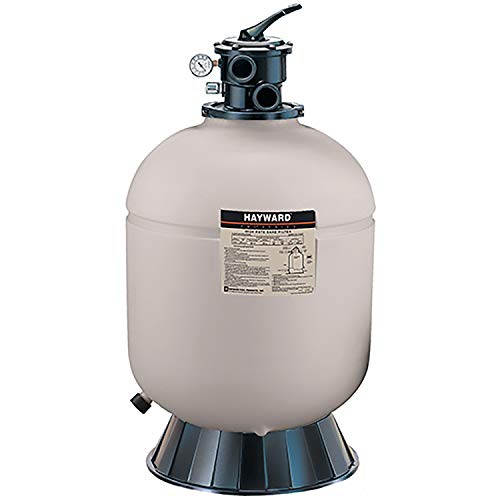
Hayward ProSeries Sand Filter 18-Inch

Halatool 1.6 LB Pool Filter Balls

Anglekai 3.1LB Pool Filter Ball

ZOTEE 3.1 Lbs Pool Filter Balls

Dapclca 3LB Pool Filter Balls

AQUALOON Pool Filter Balls 1.5 lb Set
What Each Pick Brings To The Table
The 12-inch Krystal Clear is the kind of all-in-one unit a first-time saltwater owner can unbox, fill with sand, and have circulating water before the afternoon is gone. The pump and tank are integrated, so there is no plumbing puzzle between separate components, and the GFCI plug (a ground-fault safety switch that cuts power instantly if current leaks into water) is built into the cord for outdoor outlet protection.
It is sized for above-ground pools in the 16 to 24-foot range, and the 2,100 GPH flow rate (gallons per hour pushed through the system) keeps the turnover brisk without overwhelming smaller filter tanks. A built-in 24-hour timer automates run cycles, which removes one more manual chore from the weekend routine.
Features That Help
- Six-function control valve covers filter, backwash, rinse, recirculate, drain, and closed modes in one dial
- Internal 24-hour timer takes the daily on-off decision out of your hands
- Strainer basket catches larger debris before it reaches the sand bed, extending media life
- Sand only needs replacement every five years, which keeps long-term upkeep light
Things To Consider
- 2,100 GPH undersizes for larger 24-foot or deeper pools, where water may look slightly cloudy in peak summer
- Owners commonly report the hose connectors need careful hand-tightening to avoid slow drips
Who It Suits Best
First-time saltwater pool owners running a 16 to 24-foot above-ground setup who want a single plug-and-pump unit without separate plumbing.
Where Another Pick Suits Better
Pool owners with a larger above-ground vessel or small inground should consider the Hayward ProSeries 18-inch, which moves more water per cycle.
This is the bag you reach for when an existing sand filter needs a media refresh. The 20-pound pack is sized for topping off a tank or completing a full swap on a small unit, and the #20 grade silica falls in the standard 45 to 55 mesh range that most residential sand filters expect. Going finer than the manufacturer recommends can clog laterals and starve the pump of flow, so the #20 spec is a comfort rather than a marketing line.
For saltwater systems specifically, silica sand holds up well because the chloride levels do not degrade quartz the way they wear down some polymer media. The pack is also graded to reduce clumping, which matters during backwash when the bed needs to fluidize cleanly.
Key Advantages
- #20 grade silica matches the spec most residential sand filters are designed around
- Graded to resist clumping, which keeps backwash cycles effective
- Works in both above-ground and inground tanks, so it doubles as a shared household supply
Worth Noting
- A 20-pound bag fills only a smaller filter, so larger tanks may need two or more packs at change-out
- Standard silica captures down to about 20 to 40 microns, so ultra-fine polishing still calls for filter balls or a supplemental stage
Made For
Existing sand filter owners scheduling a routine media swap on a residential above-ground or smaller inground saltwater pool.
Consider Something Else When
Pool owners chasing finer particle capture should look at the Halatool filter balls, which target a noticeably smaller micron range.
The Hayward ProSeries 18-inch is a step up in tank size and a clear choice when the Intex unit above starts running out of headroom. The 18-inch tank holds more sand and supports higher flow rates, which translates into faster turnover on bigger above-ground pools or compact inground shells. The self-cleaning lateral assembly inside is the quiet hero here, because it spreads water evenly across the bed and prevents the channeling that drags down filtration over time.
Unlike the Intex, this is a filter only, so you pair it with a pump matched to the tank’s flow curve. That adds a planning step, but the trade-off is serviceability: Hayward parts and laterals are widely stocked, and the top-mount configuration makes annual media swaps straightforward.
Positive Takeaways
- Self-cleaning lateral system reduces channeling, so the bed stays effective longer between backwashes
- 18-inch tank is well-matched to larger above-ground pools and small inground vessels
- Top-mount design makes sand changes less of a contortion job than side-mount alternatives
Trade Offs
- Filter only, so you still need a compatible pump and plumbing hardware to complete the system
- Larger footprint demands a level pad with enough clearance above the tank to open the top
Best Suited To
Saltwater pool owners with a larger above-ground pool or a compact inground who are comfortable sourcing a separate pump.
Look Elsewhere When
Anyone wanting a one-box solution with no extra plumbing should stick with the Intex Krystal Clear sand filter pump.
Filter balls are the lightweight alternative to hauling fifty-pound sand bags down a side yard, and the Halatool pack leans into that convenience. A 1.6-pound bag replaces roughly 57 pounds of sand in most standard tanks, which means the average homeowner can carry the entire refill in one hand. The fiber media also captures finer particles than typical #20 silica, which can show up as visibly clearer water in well-balanced saltwater pools.
The catch is the smaller pack size, so larger tanks may need multiple bags to fully load. The balls themselves are designed to be backwash-friendly and reusable, so the long-term cost balances against the upfront switch from sand.
Where It Helps
- 1.6 pounds replaces about 57 pounds of sand, removing the heavy-lift step from media swaps
- Captures finer particles than standard silica, which polishes water clarity during peak use
- Compatible with most standard sand filter housings, so no tank swap is required
Small Caveats
- Smaller 1.6-pound pack fills only a portion of a larger tank, so big filters need extra bags
- Fiber balls need occasional rinsing beyond standard backwash to prevent gradual compaction
Who Should Grab It
Saltwater pool owners with smaller filter tanks who want a low-effort media change without the heavy sand bags.
Reach For A Different Pick When
Owners with a large 18-inch or bigger tank should consider the ZOTEE 3.1-pound filter balls, which cover a higher-capacity load in fewer bags.
Anglekai steps the filter ball concept up with a 3.1-pound pack rated to substitute for roughly 100 pounds of sand, which fills mid-size filter tanks without the multi-bag math. The fiber blend is polyester-based and built for repeated backwash cycles, so the media can be rinsed and returned to the tank rather than sent to the landfill every season.
In a saltwater pool, the elastic fiber construction holds up well under routine chlorination and the slightly elevated salinity that comes with salt cells. You may find the balls float briefly at first fill, but they settle once the tank pressurizes.
Advantages To Know
- 3.1 pounds replaces about 100 pounds of sand, fitting larger mid-size tanks in a single pack
- Polyester fiber resists shedding and holds elasticity through repeated backwash cycles
- Reusable across multiple seasons, which reduces long-term media spending
A Few Limitations
- Balls may float briefly during the initial fill, requiring patience before closing the tank
- Loose fibers can occasionally reach the pump basket during the first few cycles until the bed settles
Perfect Match For
Mid-size saltwater pool owners converting from sand to fiber media who want a single-pack refill for their filter tank.
A Better Fit Elsewhere
Pool owners with multiple filter tanks or heavy bather loads should consider the ZOTEE 3.1-pound pack, which lists similar coverage in a different fiber blend.
ZOTEE pushes the filter ball idea further by advertising cross-system use across pools, aquariums, and hot tubs, which makes it appealing for households running more than one water feature. The 3.1-pound pack is rated to replace roughly 100 pounds of sand, and the fiber media is rated to capture particles down to 3 to 5 microns, which is meaningfully finer than the 20 to 40 micron range of standard silica.
The material is reusable and machine-washable, so deep cleaning does not require a new purchase. For saltwater pools specifically, the smaller micron rating often shows up as clearer surface water during heavy use weekends.
What Works In Its Favor
- 3 to 5 micron capture rate polishes water clarity beyond what standard silica delivers
- Reusable and machine-washable, so deep cleaning does not require a new pack
- Listed compatibility with aquariums and hot tubs, which suits households with multiple water systems
Honest Caveats
- Multi-use listing does not guarantee the same micron rating in non-pool applications like hot tubs with cartridge-style internals
- Machine-washable claim requires a mesh laundry bag to prevent loose fibers escaping into household appliances
Right Fit For
Multi-feature households running a saltwater pool alongside a hot tub or aquarium who want a shared media supply.
Swap It Out When
Pool-only owners seeking a single-system pack with the smallest pack size may prefer the Halatool 1.6-pound balls instead.
Dapclca sits in the middle of the filter ball category at 3 pounds, with coverage claims similar to the ZOTEE and Anglekai packs. The product is listed for both above-ground and inground tanks, which makes it flexible for households considering a future pool swap or a hybrid setup. The lighter weight per pound of sand replaced cuts shipping effort if you reorder online.
In a saltwater system, the fiber is inert to chloride, so you avoid the gradual breakdown that some polymer media suffer in higher-salinity water. Routine backwash keeps the bed fluid, and the balls are designed to be rinsed and reused across multiple seasons.
The Helpful Details
- Listed for both above-ground and inground tanks, so the pack survives a pool type change
- Lighter shipping weight per pound of sand replaced reduces delivery hassle for online orders
- Fiber media is chloride-inert, which suits saltwater environments longer-term
Softer Spots
- Manufacturer does not publish a specific micron rating, so you have to trust the visual claim
- 3-pound pack may fall short on very large tanks that expect closer to 150 pounds of sand equivalent
Built With In Mind
Saltwater pool owners planning a future above-ground to inground transition who want one filter media to bridge both systems.
Where A Sibling Pick Shines
Pool owners who want a published micron rating for finer filtration should consider the ZOTEE filter balls, which lists 3 to 5 micron capture.
AQUALOON rounds out the list with the smallest 1.5-pound pack, which is sized for very small filter tanks, spas, or topping off a partial media load. The mixed white, blue, and black fiber set is purely cosmetic, but the balls themselves are listed for fine particle capture down to roughly 3 microns, which keeps water visibly clearer between backwashes.
For a saltwater pool, the small pack is most useful as a top-up alongside an existing sand bed or as a switch in a compact hot-tub-style filter. Pool owners with full-size tanks will need multiple sets to fully load.
The Upside
- Fine 3-micron capture polishes water clarity during heavy bather weekends
- Universal fit listing covers small pool filters, hot tubs, and aquarium systems
- Reusable fiber design supports multi-season use with periodic rinsing
Points To Note
- 1.5-pound pack fills only the smallest tanks without multiple sets, which adds up at larger scales
- Mixed color set is cosmetic only and does not change filtration performance versus single-color fiber
Whose Shelf It Belongs On
Saltwater pool owners with a small filter tank or a hot tub who want a low-fuss media swap without committing to a large bag.
Not Your Match When
Owners of full-size above-ground tanks should consider the Anglekai 3.1-pound pack, which covers a higher-capacity load in a single bag.
What To Weigh Before Choosing a Sand Filter Setup for a Saltwater Pool
Match The Filter To The Pool Volume
Saltwater pools between 10,000 and 20,000 gallons generally need a filter tank in the 16 to 18-inch range to keep turnover under eight hours, and smaller 12-inch units can struggle at the high end of that range. Undersized filters run longer cycles, which wears the media faster and can leave the water slightly hazy during peak summer. For most above-ground pools under 15,000 gallons, a 12 to 14-inch tank matched to a 2,000+ GPH pump covers daily use without overworking the system.
Decide Between Sand And Filter Balls Early
Traditional #20 silica sand is the familiar choice, lasts around five years between swaps, and costs less per refill. Filter balls cost more upfront but weigh a fraction as much, capture finer particles, and are reusable across multiple seasons. The honest read is that filter balls are easier on the back and the garbage can, while sand is easier on the wallet if you are not in a rush.
Plan For Routine Backwash And Media Care
Every sand or fiber filter needs regular backwashing, which reverses flow through the bed to flush out trapped debris, and the cycle should be visible in the sight glass before the valve returns to filter mode. Saltwater systems also benefit from occasional chemical cleaning of the media to break down oils and minerals that backwash alone does not remove. Owners who skip this step commonly report shorter media life and cloudier water after the second season.
Key Considerations Across These Picks
Where Shoppers Go Wrong
A common mistake is choosing a filter tank based on the pool’s diameter rather than its actual gallon count, since depth and shape can push volume 30% higher than the surface dimensions suggest. Another slip is buying filter balls in the same total weight as the original sand load, when most fiber media are rated to replace sand at a roughly 30-to-1 ratio, meaning far less weight covers the same tank. Always check the published replacement ratio before ordering.
When Paying More Pays Off
Higher-tier sand filters like the Hayward ProSeries add features such as self-cleaning laterals and heavier tank construction, which reduce channeling and extend the interval between deep cleanings. The case for spending up is strongest on larger above-ground or small inground saltwater pools, where longer media life and steadier flow offset the upfront premium over a basic 12-inch unit.
Frequently Asked Questions
How often should sand be replaced in a saltwater pool filter?
Sand in a residential saltwater filter typically lasts around five years before the media begins to channel and lose filtration efficiency. High-bather-load pools or systems with frequent backwashing may see shorter life, and you may find the water stays slightly hazy even after backwashing when the bed is worn.
Are filter balls safe to use in a saltwater pool?
Most polyester fiber filter balls are chemically inert to chloride, so they hold up well in saltwater environments. The trade-off is the published micron rating, which can vary widely, and a few budget fibers shed during the first cycles until the bed settles.
Can a sand filter handle a saltwater chlorine generator?
Yes, sand filters are commonly paired with saltwater chlorine generators, since the salt cell sits in the plumbing after the filter rather than inside the tank. The silica media does not degrade from typical residential salinity, and the filter continues to capture debris the same way it would in a traditional chlorine pool.
What size sand filter is right for a 15,000-gallon above-ground saltwater pool?
A 16 to 18-inch filter tank paired with a pump rated near 2,500 to 3,000 GPH typically keeps turnover in the six to eight hour range for a 15,000-gallon pool. A 12-inch tank can work but often requires longer daily run times to keep the water clear.
Do filter balls need to be replaced every season?
Quality filter balls are rated for multiple seasons of use, with periodic rinsing or machine washing extending their service life. Lower-cost fibers can mat or lose elasticity after one or two seasons, at which point a fresh pack restores flow and capture performance.


