

A pool enclosure is a quiet luxury until a neighbor’s deck comes into view at the worst possible moment. Poolside privacy screens step in to block sightlines, cut wind, and dial down sun glare without turning a backyard into a fortress. The right screen depends on enclosure type, climate, and how permanent the setup should be, and the six options below cover the full range from roll-out mesh to freestanding wood panels.
The Lineup, Simplified
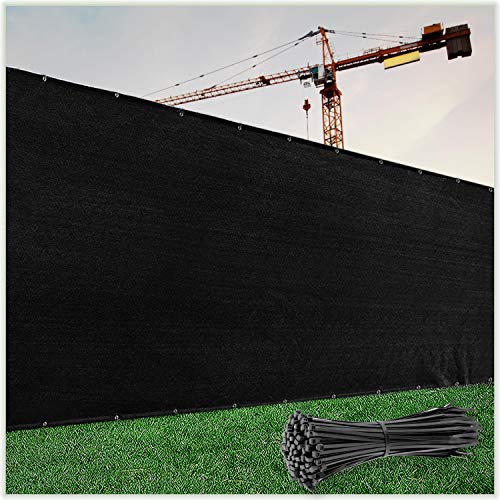
ColourTree 5′ x 50′ Black Fence Privacy Screen (Commercial Grade 170 GSM)

Royal Shade 5′ x 50′ Green Fence Privacy Screen Windscreen Mesh

Lusiwry White Metal Outdoor Privacy Screen 72″ H x 46″ W

Lusiwry Green Metal Outdoor Privacy Screen 72″ H x 46″ W
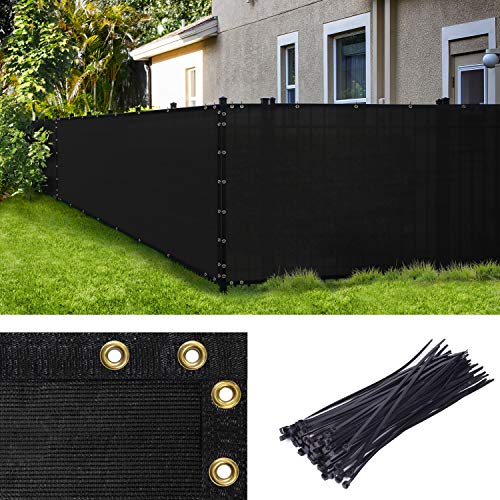
Amgo Black 5′ x 8′ Fence Privacy Screen Windscreen (90% Blockage)

Enclo Convertible Cedar Wood Privacy Screen
The Details Behind The Selections
Pool enclosures tend to run long, and a 50-foot roll of HDPE (high-density polyethylene, a tough woven plastic) mesh makes quick work of covering a full side. The 170 GSM fabric weight is a noticeable step above lighter screening, which helps the panel hold shape in coastal breezes rather than ballooning inward. In most suburban backyards, a single roll trims to fit a perimeter run without obvious seams.
Compared to the lighter Amgo covered below, this ColourTree reads as the sturdier daily workhorse for larger projects. Owners commonly report that the grommets sit evenly along the edges, which speeds up zip-tie installation on chain-link and aluminum rails.
Noteworthy Benefits
- 170 GSM fabric weight resists tearing better than standard mesh rolls
- 50-foot length covers long enclosure sides with fewer joins
- Virgin HDPE material avoids the brittleness found in recycled alternatives
- Black tone reduces visual glare around bright pool decks
Honest Caveats
- Zip ties arrive as a separate package rather than inside the roll, so plan a second delivery for hardware
- Black absorbs heat, which may matter on southwest-facing pool walls in hot climates
Who It Suits Best
Homeowners wrapping a full pool perimeter in one weekend who want a heavier fabric than the standard 90 GSM options.
Consider Something Else When
The Amgo 5′ x 8′ panel is a better fit for shoppers covering one short fence section or a hot tub nook rather than a full perimeter run.
Where the ColourTree disappears into a black backdrop, the Royal Shade rolls out in a deep green that softens against shrubs and lawn edges. The HDPE knit is breathable, which matters in humid pool zones where stale air can otherwise sit behind a solid barrier. The actual height lands at 4 feet 10 inches, a small detail to verify against existing fence tops before ordering.
Side-by-side with the heavier ColourTree above, this one trades fabric weight for a more landscaped visual finish. For pool enclosures framed by hedges or climbing vines, that color choice does real work.
Everyday Perks
- Green color blends with mature landscaping rather than competing with it
- Breathable knit reduces wind load on tall fence posts
- UV-treated HDPE weathers multi-season sun exposure
- 90% blockage balances privacy with filtered daylight
Points To Note
- Actual 4’10” height may fall short of fences advertised as 5-foot
- Not a full blackout, so silhouettes may still register at dusk
Made For
Backyard pools bordered by garden beds, where a green screen reads as an extension of the planting rather than a separate panel.
Look Elsewhere When
The ColourTree 5′ x 50′ Black is the stronger match for shoppers who prefer a darker visual finish over landscape blending.
Mesh screens handle perimeter runs, but many pool decks lack a fence in the first place, which is where a freestanding metal panel earns its keep. The Lusiwry 72-inch white panel arrives with its own stand, so setup amounts to leveling the base and positioning the unit where sightlines need breaking. The cut-out pattern adds architectural detail rather than reading as a plain wall.
Where the Amgo windscreen below clips to existing rails, this metal unit stands alone on the deck. For a patio without a pool fence, that portability is the main draw.
What Earns Its Place
- Freestanding base removes the need for a fence or rail to attach to
- 72-inch height blocks standing eye level on most decks
- White finish pairs with modern patio furniture and stucco walls
- Patterned cut-outs add visual interest beyond a flat barrier
Things To Consider
- Metal panels can warm up in direct afternoon sun, a small touch concern near bare feet
- Single panel covers a narrow zone, so multiple units may be needed for wider poolside areas
Feature Snapshot
Best Suited To
Pool-adjacent patios with no existing fence, where a movable decorative panel solves the privacy gap in one piece.
A Better Fit Elsewhere
The Lusiwry Green Metal version is the smarter call for backyards where white reads as too stark against a foliage-heavy backdrop.
The green twin of the Lusiwry panel reads as a planted hedge once placed against a foliage backdrop, even when no greenery sits behind it. The same 72-inch height and freestanding base apply here, so positioning remains a one-person task. The green powder-coat finish tends to weather evenly, depending on how much direct sun the panel sees throughout the day.
Next to the white Lusiwry above, the difference is purely aesthetic, and the right pick comes down to what tone already lives on the deck. For homeowners layering multiple units, mixing colors is possible, though matching usually looks cleaner.
Points In Its Favor
- Green tone mimics a manicured hedge from a distance
- No-fuss repositioning for entertaining layouts or sun shifts
- Cut-out pattern creates dappled shadow effects on the deck
- Suitable for both outdoor and indoor covered patio use
Practical Considerations
- Coated metal can show water spots after rain without occasional wiping
- Patterned cut-outs offer less full-coverage blockage than solid mesh rolls
Whose Deck It Belongs On
Homeowners wanting a panel that visually disappears into a garden setting rather than standing out as patio furniture.
Skip It When
The Royal Shade 5′ x 50′ green mesh is a smarter grab for long fence runs where a single freestanding unit would not cover enough ground.
Not every pool enclosure needs 50 feet of fabric. The Amgo arrives as a compact 5′ x 8′ panel, sized for short fence sections, hot tub surrounds, and ladder-side gap coverage. The reinforced black bindings along the perimeter are a useful upgrade, since unreinforced edges tend to fray first on budget windscreens.
Compared to the longer ColourTree roll, this Amgo trades coverage length for a tighter, easier install on a single panel. For poolside patches, that trade usually lands in the right place.
Useful Highlights
- Compact 5′ x 8′ size fits single fence panels without leftover material
- Reinforced bindings reduce edge fraying over time
- 90% blockage keeps most silhouettes out of view
- Knit construction lets breeze pass, lowering wind stress on fence posts
Less Ideal Details
- Actual 4’9″ height may need trimming or shimming on taller rails
- Black color shows pollen and dust more visibly than green alternatives
Quick Facts
Perfect Match For
Homeowners patching a single short fence section, hot tub surround, or pool equipment view-block rather than wrapping a full perimeter.
Another Choice May Suit
The ColourTree 5′ x 50′ is the right call for covering long runs, where multiple Amgo panels would create unnecessary seams and zip-tie points.
Wood sits in a different category from the mesh and metal options above, and the Enclo leans into that with a real-cedar build and an adjustable slat system. The slats rotate between open and closed positions, so the same panel can filter morning light and then close up for evening swims. FSC-certified wood (sourced from responsibly managed forests) means the grain and knots vary panel to panel, which is part of the appeal for design-led yards.
Versus the Lusiwry metal panels, this is a heavier, more architectural investment that anchors a deck visually rather than blending into the background. It suits homeowners thinking in terms of a built-in upgrade rather than a portable screen.
Strengths Worth Knowing
- Convertible slat design switches between airflow and full privacy modes
- Real cedar grain offers a natural look that vinyl and metal cannot match
- Doubles as freestanding or surface-mounted depending on deck layout
- FSC-certified wood supports responsible sourcing standards
Trade Offs To Consider
- Wood requires occasional sealing or oiling to hold its color in wet pool zones
- Heavier build makes repositioning a two-person job once assembled
Who Should Grab It
Homeowners treating the pool deck as a designed outdoor room, where the screen should look like furniture rather than an accessory.
Reach For A Different Pick When
The Lusiwry Green Metal screen fits better for renters or anyone who wants a lighter, repositionable panel without wood maintenance.
What To Weigh Before Buying privacy screens for pool enclosures
The first decision is whether the pool enclosure already has a fence or rail. Properties with chain-link or aluminum framing are best served by mesh windscreens that clip to existing structure with zip ties, while open patios benefit more from freestanding metal or wood panels that stand on their own. Pool enclosures without a mounting surface can waste a roll of fabric trying to improvise support.
The second decision is color. Black screens reduce glare and read as a visual backdrop, which suits minimalist decks. Green screens blend into landscaped backyards and tend to age more gracefully against foliage. White metal panels work in modern patio schemes but can read as too bright in traditional yard designs. The honest read is that color matters more here than people expect, since the screen becomes part of the daily view from inside the pool area.
The third decision is blockage percentage. Eighty to ninety percent coverage filters light and breeze while hiding most activity, which is the common sweet spot. Higher blockage rates trade airflow for privacy, which can feel stuffy in fully enclosed pool cages during summer. Lower rates let more breeze through but expose silhouettes at close range.
Smart Shopping Points Worth Knowing
Common Shopping Slip Ups
The most common misstep is measuring the wrong fence height. Several mesh screens list nominal 5-foot dimensions while the actual fabric height lands at 4’9″ or 4’10”, which leaves a visible gap at the top. Measure the existing rail and check the actual spec before ordering.
Another pitfall is overlooking mounting hardware. Some screens ship with zip ties, others list them in the title but include them in a separate package, and a few skip hardware entirely. Sorting that out before install prevents a stalled weekend project.
Where The Extra Money Goes
Higher-tier wood and metal panels cost more because of material weight and finish quality. Cedar holds up against pool splash and humidity better than budget softwoods, and powder-coated metal resists rust longer than painted alternatives. The upgrade pays off in climates with strong sun, salt air, or freeze-thaw cycles, where cheaper panels tend to fade or corrode within a few seasons. For mild climates with short pool seasons, a mid-range mesh screen often delivers enough durability.
Frequently Asked Questions
How tall should a privacy screen be for a pool enclosure?
For most residential pools, a 5-foot screen blocks the average standing eye line, while 6-foot options add a margin for taller neighbors. Open-air seated positions may need closer to 4 feet since the viewing angle drops.
Can pool privacy screens handle strong wind?
Mesh screens rated 90 to 170 GSM handle steady breezes without much fuss, especially when grommets are tied off at every hole. Solid metal and wood panels act more like sails, so freestanding units need solid bases in exposed yards.
Do these screens block sun as well as views?
Yes, the same knit construction that blocks views also filters UV. Black screens tend to absorb and radiate heat, while green screens stay cooler to the touch. For sun-drenched pools, color choice affects the deck temperature as much as the privacy level.
Are freestanding screens stable on a pool deck?
Most freestanding metal and wood units include weighted bases or anchoring feet, which hold well on concrete or wood decking. Soft turf requires ground stakes or a planter base, and very tall panels may need an extra anchor in coastal wind zones.
How long do outdoor privacy screens typically last?
HDPE mesh screens commonly last several seasons with proper tensioning and grommet care. Powder-coated metal panels run longer, and cedar wood screens can outlast both with annual sealing. The honest answer depends on climate and sun exposure more than brand.
The Takeaway
A pool enclosure’s privacy screen sets the tone for the whole deck, so the right pick depends on what already lives in the yard. Mesh rolls like ColourTree and Royal Shade cover long fence runs, while Amgo patches short sections. Freestanding panels from Lusiwry solve patios with no fence at all, and the Enclo cedar screen upgrades the deck into a designed outdoor room. Match the screen to the enclosure, the climate, and the maintenance appetite, and the rest of the season looks a lot more private.


