

Keeping pool water at the right height protects your pump, your skimmer, and your sanity, especially through a long, evaporation-heavy summer. The right monitor handles that quietly in the background, so you spend less time dragging a hose and more time actually enjoying the water. Whether you own a backyard pool, manage a livestock tank, or run a saltwater system, there’s a tool here that fits how you maintain it. Below are nine options covering chemical testing, mechanical float valves, and smart connected sensors.
Your Options, Compared

Taylor Technologies R-0630-A Chromate Indicator 3/4 oz

Rubbermaid Commercial Stock Tank Float Valve

AquaChek Salt Test Strip Titrators (10 Strips)
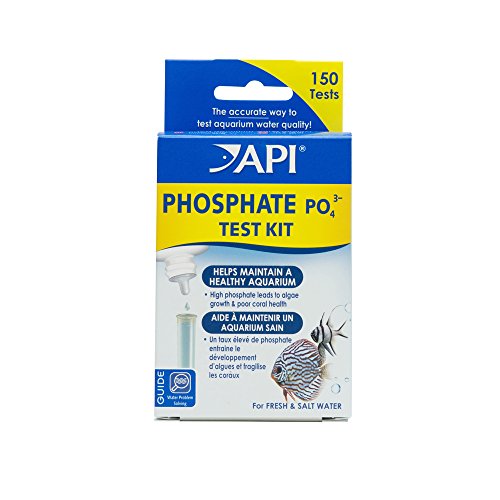
API Phosphate Test Kit (64 oz)

AquaChek Salt Titrators, White (561161)

Smart WiFi Ultrasonic Water Tank Level Monitor

EASYTEST Saltwater Pool Test Strips (25 Count)
YoLink LoRa Smart Water Level Monitoring Sensor

Think Minerals Copper Test Strips for Pools
A Deeper Look At The Lineup
Few testing reagents carry the same name recognition in the commercial pool world as Taylor. The R-0630-A chromate indicator ships in a compact 3/4 oz dropper bottle, sized for service trucks and pool closets where shelf space runs tight. It’s designed to be paired with Taylor’s larger drop-test kits, slotting into a titration process that delivers precise chromate readings, the kind pros lean on when calibrating salt chlorine generators or diagnosing residual interference.
For a homeowner who tests their own water weekly, the learning curve feels steeper than a basic strip. The trade-off is real-world accuracy that strips simply cannot match, especially when a saltwater chlorine generator starts behaving oddly and you need a number you can actually trust.
Real Benefits
- Lab-style precision that professionals trust for troubleshooting stubborn water chemistry
- Compact 3/4 oz bottle fits easily in a service kit or pool-side storage bin
- Drops are controlled, so there’s less chance of over-dosing the sample compared to squeeze bottles
- Plugs into existing Taylor test kits you may already own, extending their usefulness
Things To Consider
- Requires a compatible Taylor titration kit to function, so it’s not a standalone purchase
- Color interpretation takes practice, and readings can drift if lighting is poor
Key Specs
Who It Suits Best
Service technicians, detailers, and experienced pool owners running salt systems who want titration-level accuracy rather than a quick strip estimate.
Where Another Pick Suits Better
Casual homeowners looking for a one-step dip should reach for the AquaChek Salt Titrators (10 Strips) instead, which need no extra reagents.
Not every “level monitor” lives in the pool world. The Rubbermaid Commercial Stock Tank Float Valve is a mechanical, set-and-forget fill control built for Rubbermaid stock tanks but compatible with most standard tank openings. Once installed and adjusted, it tops off the tank as water evaporates or animals drink, holding a consistent depth through hot afternoons and cold snaps alike.
It’s a passive solution, meaning there are no apps, no batteries, and no Wi-Fi pairing. The honest read is that this is a working ranch tool, not a smart-home gadget, and it does that one job reliably across the seasons. Owners commonly appreciate how little attention it asks for once the float arm is set to the right height.
Positive Points
- Maintains a steady water level without electricity, apps, or daily checks
- Designed for year-round weather extremes, from summer heat to freezing nights
- Works with all Rubbermaid Commercial stock tanks and fits most standard tank ports
Points To Note
- Requires a pressurized water source or hose hookup to function
- Float arm may need seasonal readjustment as usage patterns change
- Not a pool-specific product, so it’s best suited for tanks rather than finished pool walls
Made For
Farmers, ranchers, and homesteaders who need a hands-off fill valve for livestock tanks in remote or unfenced areas.
Skip It When
Pool owners who want app alerts and remote readouts should consider the Nestool Smart WiFi Water Level Sensor instead, since it reports depth straight to a phone.
Saltwater pools live and die by their sodium chloride level, and AquaChek’s titrator strips turn that number into a 60-second decision. Each white titrator strip reads from 400 to 7,000 ppm, covering the working range of nearly every residential salt chlorine generator. The process is a small hybrid of strip and titration: dip, swirl, wait, then read the colored band against the bottle chart.
Compared to the Taylor R-0630-A above, these trade pinpoint accuracy for genuine speed. That trade-off is usually the right one for weekly home use, where “is the salt in range?” matters more than chasing a third decimal place. The result is fewer guesswork moments when your generator’s low-salt light flickers on.
Useful Touches
- Covers the full 400-7,000 ppm range that most home salt systems actually use
- Results appear in a couple of minutes, so it’s practical for quick weekly checks
- No drop counting or reagent handling, which lowers the chance of operator error
- Compact bottle fits in a kitchen drawer or pool caddy without spilling risk
Trade Offs
- Only 10 strips per pack, so heavy testers will run through them quickly
- Color matching depends on good daylight or a white LED for accuracy
Right Fit For
Saltwater pool owners who test weekly and want a fast, low-mess reading without buying a full reagent kit.
Look Elsewhere When
Anyone managing a high-traffic pool who goes through strips fast should grab the EASYTEST 25-count bottle, which offers a wider ppm range at a slower per-test cost.
Phosphate shows up in pool and aquarium water from decomposing leaves, fish waste, and decaying organic matter, and it feeds the algae blooms nobody wants. The API Phosphate Test Kit is a liquid reagent kit covering both freshwater and saltwater environments, sized at 64 ounces for users who test frequently or run multiple tanks. It returns a quantitative PO4 reading rather than a vague color estimate.
For most backyard pools, this kit lives in a different lane than a level monitor. The honest call is that phosphate testing targets water quality, not water height, but it earns a place on this list because high phosphate levels are often the underlying reason a pool looks murky even when the level is correct. Pairing it with a height sensor gives a fuller picture of what’s actually happening in the water.
A Strong Showing
- Works in both freshwater and saltwater setups without needing a second kit
- Generous 64 oz size suits fish rooms, ponds, and pool owners who test often
- Liquid reagents deliver a clear numeric phosphate reading, not a vague color guess
Areas To Watch
- Doesn’t track physical water height, so it complements rather than replaces a level tool
- Liquid reagent bottles need careful storage away from heat and direct sunlight
Best Suited To
Aquarium hobbyists, pond keepers, and pool owners troubleshooting stubborn algae who want a deeper read on water chemistry.
Not Your Match When
Someone who only wants to know if their pool needs water should pick the Rubbermaid Stock Tank Float Valve for passive fill control or the YoLink sensor for app alerts.
The 40-strip AquaChek bottle is the everyday workhorse version of the brand’s saltwater test line. Built on the same 400-7,000 ppm scale as the 10-pack above, it leans into bulk testing without raising the per-strip cost. The bottle format keeps strips sealed and dry, which matters more than it sounds: a damp strip in a humid garage reads nothing useful.
For new pool owners, the value here is the gentler learning curve. You dip, you wait, you compare a color. No drop counting, no reagent math, and no separate indicator bottles. The trade-off shows up when you need fine-grained accuracy, since strips can’t match Taylor’s drop-based precision.
Advantages To Know
- 40 strips per bottle stretches further for weekly or twice-weekly testers
- Same easy dip-and-read format works in both pools and spas
- Backed by Hach chemistry, a recognized name in water testing
Less-Strong Areas
- Color comparison is harder in dim pool sheds, so good lighting is a must
- Less precise than a Taylor drop test, which matters during deep troubleshooting
Who Should Grab It
First-time saltwater pool owners who want a simple, repeatable weekly test without investing in a full reagent kit.
Reach For A Different Pick When
Anyone needing pinpoint precision for generator calibration should step up to the Taylor R-0630-A chromate indicator workflow.
The Nestool smart sensor brings pool and tank monitoring into the phone era. It uses non-contact ultrasonic measurement, which simply means the sensor sits above the water and pings the surface with sound waves, so nothing corrodes from immersion. The Smart Life app delivers real-time depth data and push alerts when levels swing too high or too low, which is the kind of heads-up that prevents a cracked pump or a dry cistern in the middle of a trip.
It’s built for more than pools, working with cisterns, rainwater tanks, RV fresh water, and outdoor storage tanks. Compared to the Rubbermaid float valve above, this is a fully digital approach: you trade mechanical simplicity for remote visibility. The honest read is that you may find the app setup slightly fiddly on first pairing, especially with mixed 2.4 GHz networks.
Useful Highlights
- Non-contact ultrasonic design avoids corrosion and submerged probe maintenance
- Push notifications arrive when levels cross your set thresholds
- Works across cisterns, RV tanks, and outdoor storage, not just pools
- Real-time depth data visible from anywhere with a phone signal
Honest Caveats
- Requires a stable 2.4 GHz Wi-Fi connection at the tank location
- App-dependent, so older phones or restricted networks can complicate setup
Perfect Match For
Tech-forward homeowners with cisterns, rainwater harvesting systems, or RV fresh water tanks who want remote visibility and alerts.
Swap It Out When
Pool owners in areas with patchy Wi-Fi at the equipment pad should consider the YoLink LoRa sensor, which uses long-range radio instead of Wi-Fi.
The EASYTEST strips stretch the salt-testing range from 0 all the way up to 8,000 ppm, which is a wider window than the AquaChek titrators cover. That extra headroom helps owners of older or specialty systems that run at the higher end of normal. Each bottle holds 25 strips, sitting in the sweet spot between AquaChek’s smaller 10-pack and the bulkier 40-count.
For routine weekly checks, this is a sensible middle-of-the-road pick. You get enough strips to test for several months without the per-strip cost of boutique options, and the range covers edge cases. The trade-off shows up in color matching, where darker pads can be harder to read under porch lighting.
What Stands Out
- Broad 0-8,000 ppm range handles both freshwater-style systems and heavy salt pools
- 25 strips strike a practical balance between cost and supply
- Fast dip-and-read workflow suits busy weekly maintenance routines
Points To Keep In Mind
- Color pads can be hard to read in dim light, so testing outdoors during daylight is best
- Not as precise as a Taylor titration when chasing calibration issues
Whose Shelf It Belongs On
Saltwater pool owners running a regular weekly routine who want a generous strip count at a manageable cost per test.
Where A Sibling Pick Shines
For pool owners who also care about copper or phosphate readings, the Think Minerals Copper Test Strips add another layer of monitoring.
The YoLink sensor takes a different approach to connectivity. Instead of relying on Wi-Fi at the tank, it uses LoRa, a low-power long-range radio protocol, to talk to a required YoLink hub placed somewhere on the property. The benefit is range: a sensor in a detached shed or a basement sump can still reach the hub through concrete and metal where Wi-Fi would struggle.
It’s a wireless, battery-powered float-style switch with a 105 dB siren built in, so even without the app, it makes noise when something goes wrong. Compare that to the Nestool sensor above, which leans on ultrasonic depth reading; the YoLink trades that depth data for a sturdier radio link and louder local alarm. The trade-off worth knowing is that the hub is required, and lives separately from the sensor.
Where It Excels
- LoRa radio reaches farther than Wi-Fi through walls, basements, and metal outbuildings
- Built-in 105 dB siren delivers loud on-site alerts even without the app
- Multi-purpose design covers sump pumps, AC condensate pans, toilets, and tanks
- Battery power means no wiring to the equipment pad
Trade-Offs To Consider
- Requires a separate YoLink hub, sold in many starter kits but still an extra purchase
- Float-switch design gives high/low alerts rather than continuous depth readouts
Key Specs
Built With In Mind
Homeowners with multiple water-risk locations: sump pits, AC pans, and tanks, who want one networked alert system for the whole property.
A Better Fit Elsewhere
For a single above-ground pool with reliable Wi-Fi at the equipment pad, the Nestool Smart WiFi sensor offers a simpler single-sensor path.
Mineral and ionizer-based pool systems depend on copper to keep algae in check, and the Think Minerals strips are designed specifically for that low-level range. They read from 0.2 to 1 ppm, with a purple color pad that’s easier on the eyes than the blue pads most other copper tests use. The kit includes a test tube and sealed foil packs to keep strips dry between uses.
This is a specialty tool, useful for owners of mineral pool systems or anyone adding copper algaecide. It doesn’t track water height, so it sits alongside a level monitor rather than replacing one. For most backyard chlorine pools, copper testing isn’t necessary, and a salt or phosphate kit covers more ground.
What Makes Sense
- Designed for the low 0.2-1 ppm copper range that mineral systems actually need
- Purple pad is easier to read than the blue pads common on older copper tests
- Sealed individual packs keep unused strips fresh in humid pool rooms
- Includes a test tube, so no extra glassware is needed to start
Softer Spots
- Narrowly focused on copper only, so it doesn’t replace a broader test kit
- Less useful for traditional chlorine or saltwater pools that don’t track copper
Who Will Love This
Owners of mineral or ionizer pool systems who want a simple weekly check to keep copper levels in the recommended 0.2-0.4 ppm zone.
Consider Something Else When
Pool owners running standard salt or chlorine systems will get more use from the AquaChek or EASYTEST saltwater strips on this list.
What Matters Most Before Choosing Pool Water Level Monitors
Pick The Right Tool For The Job
“Level monitor” covers a lot of ground. Mechanical float valves top off tanks passively. Ultrasonic sensors report depth to an app. Test strips and reagent kits check the chemical side of the water, which influences what level a pool should sit at. Start by deciding whether you need a physical fill control, a remote readout, or chemical data, because trying to use one tool for all three usually disappoints.
For pool owners, the most common needs are water height and water chemistry. Mechanical float valves suit big tanks and farm use, while smart ultrasonic sensors shine where Wi-Fi reaches. Saltwater pool owners get the most out of periodic chemical testing, since the generator only runs well inside a specific ppm window.
Consider Your Power And Connectivity Situation
Smart sensors live or die on connectivity. Wi-Fi-based models like the Nestool unit need a stable signal at the tank or equipment pad, which is a problem if the pool sits behind a detached garage. LoRa-based sensors such as the YoLink reach much farther through walls, but they need a hub somewhere on the property.
Battery power is worth factoring in. Float-style switches sip power and last months, while ultrasonic sensors can drain faster if reporting too often. Look for adjustable reporting intervals in the app so the sensor doesn’t ping your phone every minute.
Match The Reading Range To Your System
Each test strip or reagent has a working range, and matching it to your system matters more than brand loyalty. Most home salt chlorine generators run between 2,500 and 4,000 ppm, so any strip covering 400-7,000 ppm works. Mineral systems using copper need a low-end range starting at 0.2 ppm, which is exactly what the Think Minerals strips deliver.
If your pool uses phosphate-removing media or has heavy leaf fall, pairing a height monitor with a phosphate test like the API kit gives a more complete picture. The honest read is that no single tool covers every variable, but a thoughtful two-tool setup usually does the job.
Smart Buying Advice For Pool Water Level Monitors
Common Shopping Slip Ups
The biggest mistake is buying a smart sensor for a spot with no reliable Wi-Fi, then blaming the product when alerts never arrive. Check your router signal at the equipment pad or tank before paying for connected hardware. Another slip-up is grabbing the cheapest strip without checking the ppm range; a 0-1,000 ppm strip can’t read a 3,500 ppm salt pool accurately, so the reading looks like a fail when the water is actually fine. For float valves, ignoring the required water pressure and inlet size leaves owners with a valve that doesn’t seat properly or back-fills the line.
Why Top Tier Costs More
Premium pool water level monitors earn their higher price through sensor accuracy, build quality, and app polish. A higher-tier ultrasonic sensor typically reads depth within a few millimeters, while budget units may vary by an inch or more, which matters when a skimmer needs water within a half inch. App ecosystems also cost money to maintain: push notifications, threshold customization, and history logs all require ongoing development that the price reflects. For tanks that are hard to access or carry expensive consequences when dry, the upgrade usually pays for itself the first time it warns you in time.


