

Keeping a pool at the right temperature used to mean a quick dip and a guess. Today’s sensors send readings to a phone, log the trend, and warn before a cold snap turns equipment into a maintenance headache. The right pick depends on whether you need freeze protection for plumbing, app-based water monitoring, or a replacement probe for an existing automation panel.
A Snapshot Of The Selections

SAFESENSE TempTouch WiFi Clamp Temperature and Humidity Sensor
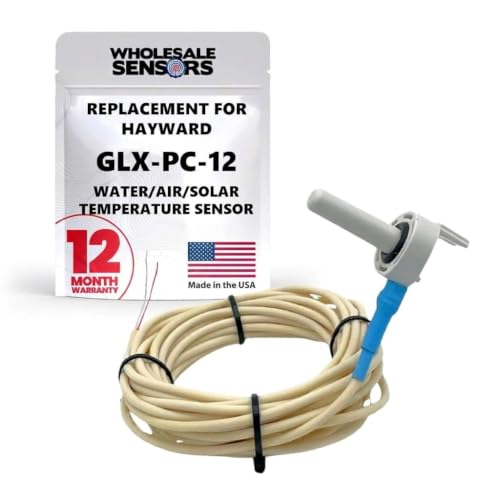
Phoenix Sensors GLX-PC-12 Replacement for Hayward

Newentor Pool Thermometer Floating Easy Read IPX8

Newentor Pool Thermometer IPX8 Floating with Station

Zodiac 7790 Temperature Sensor Kit for AquaLink RS

GoveeLife WiFi Pool Thermometer P1 Wireless
The Strengths Of Each Pick
The SAFESENSE TempTouch sits in a different lane from the floating pool thermometers later in this list, and that difference is exactly why it earns the top slot. It clamps onto a pipe and reports both temperature and humidity through WiFi, so it’s aimed at people who care less about a quick water reading and more about preventing a frozen pipe disaster.
For a homeowner in a cold climate or someone who leaves a vacation property unattended for weeks, that focus matters. Unlike the Newentor floating units that drop into a pool for ambient water checks, this one is built for plumbing lines, basements, and HVAC supply runs. The companion app delivers continuous readings and push alerts when conditions cross a threshold.
The Case For It
- Continuous pipe-temperature monitoring with app and email alerts for sudden drops.
- Velcro clamp strap installs without tools and suits various pipe diameters.
- Reports both temperature and humidity on a single dashboard.
- Strong fit for vacation rentals, basements, and crawl spaces where freezing is a recurring concern.
Trade Offs
- Designed for plumbing and HVAC lines, not direct pool water measurement.
- Requires a stable 2.4 GHz WiFi signal at the installation point for reliable alerts.
Who It Suits Best
Homeowners in cold climates, owners of vacant or seasonal properties, and anyone protecting plumbing from a sudden freeze.
Where Another Pick Suits Better
For straightforward in-pool water readings on a daily swim, the Newentor Pool Thermometer Floating Easy Read IPX8 is a more direct match.
The Phoenix Sensors GLX-PC-12 is a different animal from the rest of this list, and that’s the point. It’s a 10K Ohm thermistor probe built to slot directly into a Hayward or Goldline automation panel, not a floating gadget you toss in the water.
For pool owners running an existing automation setup, replacing a tired sensor is far cheaper than swapping the whole controller. The honest read here is that this is a parts-bin choice for a specific install. Compare that to the SAFESENSE TempTouch, which adds WiFi and humidity; the Phoenix Sensors unit does one job and does it for the equipment it was designed to feed.
What Works In Its Favor
- Direct-fit replacement for the Hayward GLX-PC-12 with matching 10K Ohm resistance.
- Supports water, air, and solar temperature inputs for freeze protection and heater control.
- Restores accurate readings to a Hayward or Goldline automation system without rewiring.
Honest Caveats
- Useless without a compatible Hayward or Goldline controller already in place.
- No standalone display, app, or wireless connectivity; the controller handles the readout.
- Installation requires accessing the automation board and routing the wire, which some owners leave to a service tech.
Right Fit For
Pool owners with a Hayward or Goldline automation panel who need an accurate drop-in replacement probe.
Skip It When
Anyone wanting a phone-based readout should skip this and reach for the GoveeLife WiFi Pool Thermometer P1 instead.
The first Newentor on this list focuses on a simple job: show the water temperature without making the user walk to the pool. The floating sensor pairs with a base station that displays indoor and outdoor readings side by side on an anti-glare LCD, so a glance from the kitchen tells the whole story.
The self-calibrating sensor shrugs off chlorine and saltwater exposure, and the 15-second transmission interval keeps the displayed number honest. For most backyards, that’s the right amount of technology: not flashy, not under-built, and not dependent on a WiFi password to function.
Points In Its Favor
- Side-by-side indoor and pool readings on a glare-resistant LCD.
- IPX8 waterproofing handles full submersion and harsh chemistry.
- Rapid 15-second updates mean the displayed number rarely feels stale.
- Suitable for both chlorine and saltwater pools, broadening its use case.
Worth Bearing In Mind
- No smartphone app; the included base station is the only readout.
- Range depends on the base station’s placement, which can be limiting in larger yards.
Made For
Casual pool owners who want a glanceable temperature without pulling out a phone or connecting to WiFi.
Consider Something Else When
Users who want remote alerts and history logging will get more from the GoveeLife WiFi Pool Thermometer P1.
The second Newentor on this list is the more rugged sibling of the previous pick. It shares the same floating-sensor concept and chlorine-resistant internals, but the housing uses vacuum-sealed construction aimed at eliminating the slow leaks that plague cheaper floating units left in the sun all season.
The extra-large LCD and a low-draw chip rated for roughly six months of battery life push it toward a “set it and forget it” feel. Where the earlier Newentor reads cleanly from a kitchen window, this one survives a salt cell environment and a full summer of UV exposure with less babysitting.
A Few Strong Suits
- Vacuum-sealed construction targets the leakage problems common in standard floating thermometers.
- IPX8 waterproofing stands up to heavy rain and continuous submersion.
- Six-month battery life reduces how often the unit needs to be fished out of the pool.
- Larger LCD improves readability from across a patio or through a screen door.
Potential Drawbacks
- Still tethered to the included base station; no app-based monitoring.
- Higher upfront cost than a basic floating thermometer, though the leak-resistant design may save replacements over time.
Who Will Love This
Saltwater pool owners and anyone who has replaced a leaking floating thermometer more than once in a single season.
Look Elsewhere When
Those who want a phone with a full temperature history will find the GoveeLife WiFi Pool Thermometer P1 a better match.
The Zodiac 7790 sits next to the Phoenix Sensors unit as a purpose-built replacement, but for a different ecosystem. This one targets the Jandy AquaLink RS control system, complete with a 15-foot cable that gives plenty of routing flexibility between the equipment pad and the sensor location.
The included 7784 sensor handles air and solar temperature inputs, which means the same kit can support freeze protection and solar heating logic on a single AquaLink board. It is a parts-bin choice like the Phoenix Sensors probe, but with the longer cable and the Jandy-specific fit, it covers a slightly different install scenario.
Well-Handled Touches
- Direct-fit replacement for the Jandy AquaLink RS control system.
- 15-foot cable reaches across most residential equipment pads without splices.
- Dual-purpose 7784 sensor supports both air and solar temperature readings.
Factors To Consider
- Hardwired install, so routing the cable through conduit or along a wall adds labor.
- Useful only with a Jandy AquaLink RS controller; no standalone or app functionality.
The Right Fit
AquaLink RS owners who need a longer cable run or are replacing both air and solar sensors at the same time.
Not Your Match When
Hayward automation owners should pick up the Phoenix Sensors GLX-PC-12 instead, since the two kits are not interchangeable.
The GoveeLife P1 closes this list with the most connected experience. A floating sensor talks to a 433 MHz gateway, which then links to a 2.4 GHz WiFi network, pushing readings to a phone app for remote monitoring. The 433 MHz link between sensor and gateway extends the usable range up to roughly 328 feet in open air, which is helpful for larger properties or detached equipment areas.
Where the Newentor units require a base station within sight, the GoveeLife setup brings pool temperature into a smart home dashboard. For users already running other connected gear, the P1 slots in naturally.
Everyday Wins
- App-based remote monitoring with temperature history and alert thresholds.
- 433 MHz sensor-to-gateway link rated up to 328 feet in open air.
- Gateway-based architecture means fewer WiFi dropouts at the pool itself.
Points To Note
- Supports 2.4 GHz WiFi only; 5 GHz networks will not connect.
- Obstacles between the gateway and the sensor can affect signal stability.
- Setup requires the gateway, the app, and a 2.4 GHz network, all working together.
Best Suited To
Connected homeowners who want pool temperature in the same app as their other smart devices.
Reach For A Different Pick When
Anyone without a stable 2.4 GHz network will get a simpler experience from the Newentor floating thermometer with its included base station.
What Matters When Picking A Pool Temperature Sensor
Choosing the right sensor starts with the job it needs to do. Freeze protection for plumbing points toward a clamped, app-driven unit like the SAFESENSE TempTouch, while an in-pool water readout calls for a floating sensor with a base station or WiFi link.
Connectivity changes the experience. Base-station models like the Newentor units work out of the box with no router setup, but they tie the readout to a single indoor location. WiFi-based units add remote monitoring at the cost of a 2.4 GHz network, app setup, and a reliable power source for the gateway.
Compatibility matters for anyone with existing automation. Hayward and Jandy owners should match the replacement to the controller, since the Phoenix Sensors GLX-PC-12 and Zodiac 7790 are not interchangeable. A floating thermometer is the simpler path for pools without automation.
Durability and chemistry deserve a look as well. Saltwater pools, full sun, and winter storage all test a sensor’s housing. IPX8-rated sealed units handle submersion, while vacuum-sealed designs target the slow leaks that shorten the life of budget floating thermometers. Matching the build to the environment avoids replacing the same sensor every season.
Smart Choices For The Pool Sensor Category
Where Shoppers Go Wrong
The most common slip is grabbing a floating thermometer when the real risk is a frozen pipe in a basement or crawl space. Water readings do not prevent plumbing damage, so a clamped pipe sensor with alerts is the right tool for that job. The opposite mistake also happens: owners buy a smart WiFi sensor and then discover the pool is far from any 2.4 GHz signal, leading to constant dropouts.
What Separates Premium From Basic
Higher-tier pool sensors earn their place with sealed housings, longer battery life, and gateway-based connectivity that holds a stable link over distance. The premium also covers chemical resistance, which matters in saltwater or heavily chlorinated setups. For a chlorine-tablet pool used a few weekends a year, a basic floating thermometer is plenty. Daily-use pools and connected homes get real value from the upgrades.


