

Weekly pool upkeep is the kind of chore that quietly slips down the list until the water turns cloudy. A steady routine with the right shock treatment brings back sparkle, fights off algae, and keeps bathers comfortable. The picks below lean on calcium hypochlorite and dichlor formulas, the two workhorses of pool sanitation, so you can match a product to your setup without overspending.
A Fast Comparison Of The Options

HTH 52037R Pool Care Shock Advanced, 12 Pack

HTH 52036R Pool Care Shock Advanced, 6 Pack

HTH 52047 Salt Shock, 5x12oz Packets

HTH 67057 Pool Care pH Down, 5 lbs

HTH 67244 Algae Guard Ultra, 32oz

HTH 67212 Clarifier Advanced

Leslie’s Power Powder Plus 12 x 1 lb

BioGuard Burnout 73, Pack of 24
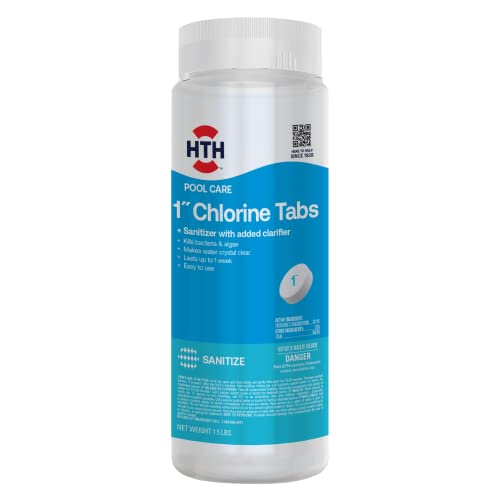
HTH 42049 Chlorine Tabs, 1.5 lbs
A Closer Look At Each Pick
Twelve 1-lb bags of cal-hypo shock cover most pool owners for an entire swim season, so a Saturday trip to the pool store becomes a once-a-year errand. The 4-in-1 formula goes after bacteria, fights off algae, knocks down the chlorine smell, and restores the water’s polished look in a single dose.
For most backyards, the granular format dissolves fast when broadcast over the deep end with the pump running. It’s a comfortable fit for routine weekly shocks on pools up to around 20,000 gallons, and a sensible choice if you want one product to handle most of your water-care chores.
Benefits That Matter
- 12-bag stash means fewer restock trips and a consistent supply for weekly shocks through the season.
- Multi-action formula tackles bacteria, algae, and odor at once, simplifying the routine.
- Fast-dissolving granules shorten the wait before the filter clears the water again.
- Cal-hypo base raises chlorine without adding cyanuric acid overload to the water.
Points To Keep In Mind
- Long-term use raises calcium hardness, so a test kit and occasional water replacement become important.
- Pre-dissolving in a bucket is wise on cool days to avoid clumping at the waterline.
Key Specs
Right Fit For
Mid-size backyard pools up to 20,000 gallons where the owner wants one bag, one routine, and a season’s worth of coverage.
Reach For A Different Pick When
Your system runs on a salt generator, since the HTH 52047 Salt Shock is a better match for that setup.
Six 1-lb bags hit the sweet spot for newer pool owners still dialing in their routine. Same cal-hypo, 4-in-1 formula as the 12-pack, just trimmed down for smaller pools or a single season’s testing phase.
It’s a smart entry point for above-ground setups or plunge pools under 12,000 gallons, where the larger pack would sit in storage longer than it should. You get the same algae-fighting, clarity-restoring action without the bulk.
The Practical Payoff
- Smaller commitment helps first-timers learn their pool’s appetite for shock before scaling up.
- Identical 4-in-1 formula as the 12-pack keeps the routine consistent if you upgrade later.
- Stackable bags store neatly in a dry, ventilated shed without dominating the space.
Trade Offs
- Higher per-bag cost compared to the 12-pack option for shoppers buying for the long haul.
- You’ll need to reorder mid-season for pools above 15,000 gallons, depending on bather load.
Whose Shelf It Belongs On
First-time pool owners with small-to-mid backyard pools who want a low-risk starter pack.
A Better Fit Elsewhere
Heavy-use households running a 20,000-gallon pool will get more mileage from the HTH 52037R 12-pack above.
Saltwater pools run on a different chemistry, and standard cal-hypo can throw that balance off. This dichlor-based shock (dichlor is a stabilized chlorine that won’t upset your CYA reading) is built specifically for salt chlorine generators, with 56% available chlorine for a confident weekly lift.
The 12-oz packet format is a thoughtful touch for saltwater owners, since smaller, pre-measured doses prevent over-shocking and keep the generator’s cell happy. It works as a supplemental boost when the salt system needs a hand clearing out contaminants.
Reasons It Performs
- Compatible with salt chlorine generators, protecting the cell from unnecessary stress.
- Pre-measured packets cut the guesswork for newer saltwater pool owners.
- Higher available chlorine concentration tackles stubborn algae without doubling up on product.
Honest Caveats
- Not interchangeable with cal-hypo shock, so saltwater owners need a separate routine for traditional pools on the property.
- Smaller pack size means a faster reorder cycle for larger residential pools.
Quick Facts
Best Suited To
Saltwater pool owners who want a shock treatment that complements their generator instead of fighting it.
Consider Something Else When
Your pool runs on a traditional chlorine system, since the HTH 52037R cal-hypo formula is a more natural fit.
Shock is only half the equation. pH (the scale that measures how acidic or basic your water is) drifts upward over time, and high pH makes chlorine sluggish, causes scale buildup, and irritates eyes and skin. This 5-lb tub of pH reducer gives you months of corrections in one container.
It’s a quiet but essential companion to any shock routine, since dropping pH back into the 7.2 to 7.6 range lets your chlorine work harder and your heater and surfaces last longer.
What It Does Well
- Lowers pH efficiently, helping chlorine sanitize at full strength.
- Prevents scale formation on heaters, tiles, and salt cell plates.
- 5-lb size covers a full season of occasional adjustments for most pools.
Worth Noting
- Always add acid to water, never the reverse, so handling requires a steady hand and proper PPE.
- Adding too much at once swings pH the wrong way, so test after each dose.
Made For
Pool owners who test their water weekly and want a granular pH adjuster that pairs with any shock routine.
Skip It When
You rarely test your water, since balancing and shocking are best done in sequence with a reliable test kit.
When the water tilts toward green, a standard shock sometimes needs backup. This non-foaming algaecide (a chemical designed to kill and prevent algae growth) handles green, black, and mustard algae blooms, and it keeps them from coming back for up to three months.
It’s the right tool for shaded pools, heavy bather loads, or warm-climate owners who fight algae pressure from late spring through fall. Compatibility across all pool types makes it easy to add to any existing routine.
The Value In It
- Targets multiple algae strains with one dose, simplifying recovery for troubled water.
- Long-lasting protection reduces the need for repeated applications during peak swim months.
- Non-staining formula protects vinyl liners and plaster finishes from discoloration.
Things To Consider
- Most effective when paired with a shock treatment, so it’s an add-on rather than a replacement.
- The 32oz bottle is a single-season supply for mid-size pools, so larger setups may need a second bottle.
Who Will Love This
Pool owners in hot, humid climates or with heavily shaded yards where algae pressure never really stops.
Where A Sibling Pick Shines
For routine maintenance on a clean pool, the HTH 52037R shock alone may be all you need without adding algaecide.
Cloudy water after a party or a storm usually means tiny particles are floating through the filter. This clarifier (a coagulant that clumps microscopic debris together so the filter can grab it) gathers those particles so your filter can sweep them out faster.
It’s the cleanup step that makes a noticeable visual difference in 24 hours, and it plays well with every pool type including saltwater systems. A single dose often does the job, and the result is the kind of water that catches the sunlight just right.
Positive Takeaways
- Fast-acting formula turns hazy water noticeably clearer within hours of application.
- Works across all pool surfaces and saltwater setups without compatibility concerns.
- Improves filter performance, extending the time between deep filter cleanings.
Smaller Limitations
- Won’t fix algae problems on its own, so pairing with shock or algaecide is essential when the cause is biological.
- Overdosing can clog filters, so follow the label closely.
Who Should Grab It
Pool owners dealing with dull, hazy water after storms, heavy use, or filter struggles.
Look Elsewhere When
Your water is green or visibly tinted, since the HTH 67244 Algae Guard Ultra tackles a different root cause.
Leslie’s is a familiar name in the pool aisle, and the 73% calcium hypochlorite content here ranks among the strongest non-commercial cal-hypo shocks on the shelf. Twelve 1-lb bags cover the season for mid-to-large residential pools, and the granular dissolve rate keeps the routine efficient.
For pools that see daily use, swim team practice, or frequent weekend gatherings, that higher chlorine percentage helps the water recover faster after heavy demand. Around 70% available chlorine means you need less product per dose compared to lower-test alternatives.
Key Advantages
- Higher cal-hypo concentration delivers a stronger chlorine lift with less powder per dose.
- Twelve-bag format suits full-season coverage for pools up to around 24,000 gallons.
- Fast-dissolving granules shorten the time between shocking and swimming.
Possible Compromises
- Higher calcium levels require more frequent testing to prevent hardness creeping above recommended ranges.
- Pre-dissolving helps on cool mornings when the powder can sit on the surface before sinking.
Feature Card
Perfect Match For
High-bather-load pools that need a stronger weekly shock to keep up with chlorine demand.
Not Your Match When
You run a salt system, since the HTH 52047 dichlor shock is a cleaner match for that setup.
Twenty-four 1-lb bags of BioGuard’s strongest cal-hypo shock is the equivalent of a multi-season stockpile. The 73% calcium hypochlorite formula is rated to treat 16,500 gallons per pound, putting it on the heavy end of the residential spectrum.
For pool owners with multiple pools, rental properties, or a busy household that goes through chlorine quickly, the bulk format keeps the shed stocked and trips to the store minimal. It’s also a comfortable match for large single pools that need aggressive weekly shocks through peak season.
Good Reasons To Consider
- 24-bag reserve covers multi-pool households or a full year for one large pool.
- High cal-hypo strength handles stubborn algae and post-storm recovery with less product.
- 1 lb treats 16,500 gallons, giving a clear dosing reference for any pool size.
Trade-Offs To Consider
- Bulk storage demands a dry, secure location away from other chemicals and heat sources.
- More product than most single-pool households will use in a single season.
Built With In Mind
Multi-pool owners, vacation rental managers, or large residential pools running year-round chlorine demand.
Swap It Out When
You maintain a single mid-size pool, since the BioGuard stockpile will outlast your needs and crowd the storage area.
While the rest of this list covers shock treatments, slow-dissolving tabs do the daily chlorination work. These 1-inch tabs are sun-protected, last up to a week in a floater or skimmer, and keep a steady baseline of sanitizer going between your weekly shocks.
They pair naturally with any of the shock picks above, handling the between-treatment chlorine so the shock only has to do the heavy lifting once a week. Compatible with all pool types, they’re a low-effort way to maintain a stable reading without daily dosing.
Where It Helps
- Slow-dissolving format provides steady chlorine release for up to one week per tab.
- Sun-protected formula holds up better in direct sunlight than unprotected alternatives.
- Universal compatibility makes them an easy fit for any pool type or sanitizer system.
A Few Limitations
- Tabs alone can’t replace shock treatments, so this is a complement, not a substitute.
- 1.5-lb container goes quickly on larger pools, so a 5-lb tub may be more practical long-term.
The Right Fit
Pool owners who want a hands-off daily chlorination routine between weekly shock sessions.
Where Another Pick Suits Better
For a single-product weekly shock routine, the HTH 52037R or Leslie’s Power Powder Plus are the workhorses built for that job.
What To Weigh Before Choosing Your Pool Shock
Most residential pools do well on cal-hypo shock for routine sanitation, with the calcium content adding hardness that you should test for every few weeks. Saltwater owners get cleaner results from dichlor-based products, since cal-hypo can throw the salt system’s balance off and shorten cell life.
Pack size matters more than people think. A 12-bag supply sounds like a lot, but most pools chew through a pound per 10,000 gallons each week, so a 20,000-gallon pool is looking at 8 to 10 bags in a single swim season. Buying in bulk usually lowers the per-bag cost, though it only pays off if you have dry, ventilated storage.
Concentration affects how much you actually need. Standard cal-hypo runs around 48% to 65% available chlorine, while higher-test options push past 70%. Stronger formulas need less powder per dose, but they also raise calcium hardness faster, so the savings in product are balanced by the cost of water replacement over time.
Finally, think about complementary products. Algaecides, clarifiers, pH adjusters, and slow-dissolve tabs each handle a specific part of water care, and a well-rounded routine typically uses a shock plus one or two of these. Testing weekly with a reliable kit ties the whole system together.
Quick Notes Before You Stock Up
Where Shoppers Go Wrong
The most common slip-up is buying a cal-hypo shock for a saltwater pool. The two chemistries don’t mix cleanly, and you’ll fight the salt cell all season. Match the product to your sanitizer system, and double-check the active ingredient before adding anything to the water.
Another pitfall is skipping the test kit. Shock is a tool, not a guess, and dosing without reading your current chlorine, pH, and CYA (cyanuric acid, a stabilizer that protects chlorine from sunlight) levels leads to over-treatment, wasted product, and cloudy water that takes days to settle.
Where The Extra Money Goes
Higher-tier shocks like Leslie’s Power Powder Plus and BioGuard Burnout 73 carry stronger chlorine concentrations, which means less powder per dose and faster results on heavy-demand pools. The tradeoff is more aggressive calcium buildup, so premium pricing reflects concentration and brand reputation, not just packaging.
The upgrade is worth it for high-bather-load pools, multi-pool households, and anyone who values shorter wait times between shocking and swimming. Smaller pools with lighter use get plenty of value from the standard 4-in-1 formulas at a lower cost per bag.
Frequently Asked Questions
How often should you shock a pool?
Weekly shocking keeps most residential pools in good shape, with adjustments after heavy rain, large gatherings, or visible cloudiness. Test your chlorine level first, and shock in the evening so the sun doesn’t burn off the treatment before it does its work.
Can you swim right after shocking?
Most cal-hypo and dichlor products need 8 to 24 hours of circulation before the chlorine level drops back to a swimmable range. Always test the water and confirm levels are within the recommended range before getting back in.
Is cal-hypo or dichlor better for pool shock?
Cal-hypo suits traditional chlorine pools and offers stronger chlorine per pound, while dichlor works better for saltwater systems and adds cyanuric acid for sun protection. Match the formula to your sanitizer setup to avoid chemistry conflicts.
How much shock does a 20,000-gallon pool need?
Most residential pools need about 1 pound of shock per 10,000 gallons for a standard weekly treatment, so a 20,000-gallon pool typically uses around 2 pounds per session. High-test formulas or heavy bather loads may require more, and the product label gives a precise starting point.
What’s the difference between shock and chlorine tabs?
Shock is a fast-dissolving, high-dose treatment that resets chlorine levels and fights algae, while tabs release a slow, steady stream of chlorine for daily maintenance. Most pool routines pair a weekly shock with a tab floater or skimmer treatment for balanced water between doses.
The Takeaway
The right pool shock comes down to your system type, pool size, and how much maintenance effort you want to put in weekly. Cal-hypo formulas cover most traditional pools, dichlor fits saltwater setups, and pairing shock with a clarifier or algaecide handles the rest of the season. Pick the product that matches your routine, test your water regularly, and your pool will stay clear through the busiest swim months.


