

A backyard pool should feel like a weekend luxury, not a worry. The right combination lock for your gate keeps kids, pets, and uninvited guests on the right side of the fence while letting the people you trust through with a quick code. This list rounds up the strongest code-based options for pool gates, mixing purpose-built magnetic latches, heavy-duty combination padlocks, and key-storage boxes that work beautifully when paired with a separate latch.
Your Options, Compared

Kwikset Portable Key Storage Lock Box, Combination, 3-5/8″

Safetech SL-25H Child-Proof Magnetic Fence Gate Latch (Black)
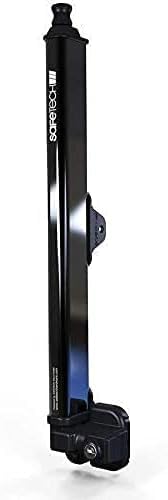
Safetech SL-50H Magnetic Top Pull Gate Latch, 22″, Black

Safetech SL-50TRI 22″ Push Lock Magnetic Top Pull Latch

D&D ML3TPKA MagnaLatch Top Pull 20″ Pool Safety Latch, Black
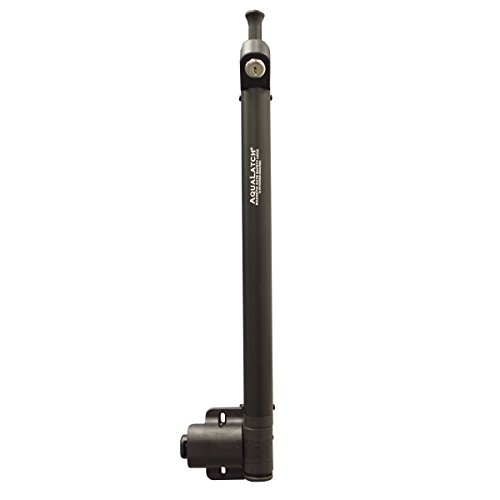
AquaLatch AQUA-20-BK-KA 20″ Magnetic Pool Safety Latch
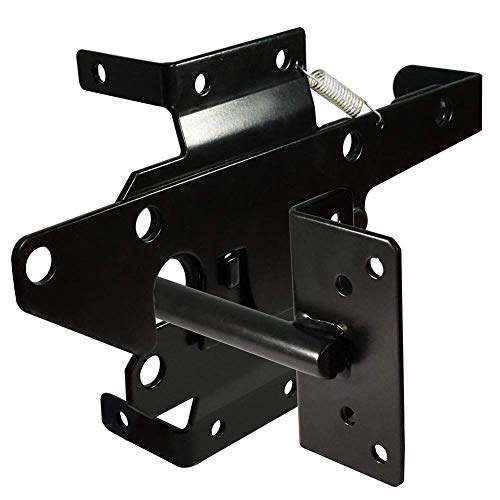
SANKINS Self-Locking Gate Latch Heavy-Duty, Steel Black

Diyife 2.3″ Long Shackle Heavy Duty Combination Padlock
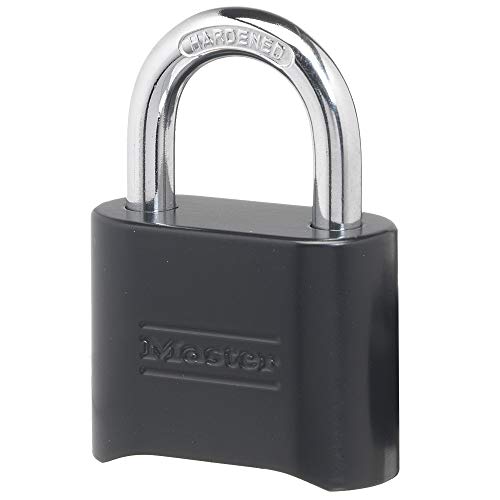
Master Lock 178D Set-Your-Own Combination Padlock, Black

Master Lock 1500T 3-Digit Combination Padlock 2-Pack
The Strengths Of Each Pick
The Kwikset Portable Key Storage Lock Box is not a latch itself. It is a clever workaround: mount it on a fence rail near your pool gate, hand a spare key to whoever needs access, and let them punch in the 4-digit code. The resettable dial means you can rotate the combination after every visit, so a former dog walker or contractor no longer has access the moment you change it.
A sliding weather cover shields the dials from rain and dust, which matters for an outdoor installation by a pool where splash and humidity are constant companions. The compact 3-5/8-inch housing keeps the unit low-profile on a fence post. For most homeowners who already have a magnetic latch on the gate, this is the simplest way to add code-based key access without replacing hardware.
Advantages To Know
- Resettable 4-digit code means you never have to share a permanent key
- Weather-resistant cover protects the dials from poolside moisture
- Compact size keeps the box tucked against a post or rail
- Works as an add-on to any existing gate latch
Things To Consider
- Provides key access, not a self-latching mechanism on its own
- Mounting hardware and post placement matter for tamper resistance
Who It Suits Best
Homeowners who already have a working pool gate latch but want code-based key sharing for sitters, contractors, or family.
Consider Something Else When
Pick the Safetech SL-25H instead if you need a magnetic self-latching system built directly into the gate.
Pair the Safetech SL-25H with a combination padlock on the release side and you have one of the cleanest code-based pool gate setups available. The magnetic self-latching mechanism automatically catches the gate when it closes, which means nobody on the inside has to remember to lock up. The latch itself is key-lockable, so adding a small combination padlock through the lock hole turns the whole assembly into a true code-entry system.
Built for aluminum fences with square posts, it satisfies common pool safety code requirements for self-latching hardware. Owners commonly report installation taking under an hour with basic tools, and the magnetic catch holds firm through seasonal gate sag. For most suburban pools with ornamental aluminum fencing, this is the foundation a combination lock can build on.
Where It Helps
- Magnetic self-latching satisfies common pool safety codes
- Key-lockable cylinder accepts a combination padlock for code entry
- Designed specifically for aluminum pool fences with square posts
- Automatic catch means no forgotten locks after backyard visits
Worth Noting
- Requires a separate combination padlock for full code functionality
- Square-post only, so round-post aluminum fences need an adapter
Feature Snapshot
Made For
Aluminum-fence pool owners who want a self-latching base that accepts a combination padlock for code-based entry.
Look Elsewhere When
Choose the Safetech SL-50TRI if your gate is vinyl or a mix of metal and you want a 22-inch top-pull reach.
The taller sibling to the SL-25H, the Safetech SL-50H stretches the release handle to 22 inches, which puts the locking point well above where a small child can reach. The vertical top-pull design means you lift straight up to disengage, then a small combination padlock through the cylinder converts the system into a code-entry pool gate. Magnetic self-latching handles the close, so the gate re-secures itself every time it swings shut.
Square-post installation keeps it compatible with the same aluminum fencing the SL-25H fits, just with a higher reach. For most two-story or taller fences where pool code calls for releases above 54 inches, the extra height is the difference between compliant and not.
The Upside
- 22-inch reach places the release above small-child height
- Vertical pull is intuitive for adult hands
- Magnetic catch re-secures the gate on every close
- Key-lockable cylinder accepts a combination padlock
Points To Note
- Tall reach can feel awkward on shorter gates or low fences
- Padlock for code entry is a separate purchase
Best Suited To
Homeowners with taller aluminum pool fences who need the release point lifted out of small-child reach.
A Better Fit Elsewhere
The D&D ML3TPKA MagnaLatch suits you better if you want a self-latching system with sealed magnets and broader fence compatibility.
Where the SL-50H relies on a key cylinder, the Safetech SL-50TRI layers in a push-down trilatch mechanism for triple-secure engagement. You pull the handle up, push the latch down to unlock, then a magnetic catch takes over on close. Add a small combination padlock through the lock point and the entire system becomes a code-entry pool gate that satisfies both safety codes and household access rules.
It fits vinyl, aluminum, and other metal gates on square posts, which broadens the install options compared to the aluminum-only SL-50H. Owners commonly report the push-down action feeling sturdier than single-latch designs, and the extra security step discourages casual reach-throughs by curious kids. For families with both a pool and a dog, the redundancy is reassuring.
Bright Spots
- Triple-secure design adds a second locking step
- Works on vinyl, aluminum, and metal square-post gates
- 22-inch top pull lifts the release out of small-child reach
- Magnetic self-latching meets common pool safety codes
Honest Caveats
- More moving parts mean a slightly more involved install
- Combination padlock for full code entry sold separately
Key Specs
Whose Shelf It Belongs On
Owners of vinyl or mixed-material pool gates who want an extra layer of mechanical security before the code lock.
Reach For A Different Pick When
The AquaLatch AQUA-20-BK-KA is the smarter pick for coastal yards where polymer beats metal for corrosion resistance.
The D&D MagnaLatch is the name most pool inspectors recognize on sight, and for good reason. The magnetic self-latching technology is fully sealed internally, so pool splash and sprinkler overspray cannot corrode the magnets the way they would exposed steel parts. The top-pull design at 20 inches sits in a comfortable range for adults while staying above small-child reach, and the latch meets common pool safety codes right out of the box.
Pair it with a weather-resistant combination padlock through the lock hole and you have a code-entry pool gate that inspectors tend to flag as compliant on the first visit. Vertical and horizontal adjustability with alignment markers makes the install forgiving on gates that have sagged slightly over time. For most homeowners building a code-based pool gate from scratch, this is the safest starting point.
The Case For It
- Sealed magnetic mechanism resists corrosion from pool splash
- Industry-standard pool safety latch widely recognized by inspectors
- Adjustable alignment markers ease install on slightly sagging gates
- Lockable cylinder accepts a combination padlock for code entry
Trade Offs
- Premium price compared to basic gravity latches
- Padlock for code access is a separate purchase
Perfect Match For
Pool owners who want an inspector-recognized, code-compliant self-latching system that pairs cleanly with a combination padlock.
Swap It Out When
Pick the AquaLatch AQUA-20-BK-KA instead if you want a polymer body that cannot rust in a coastal or salt-air yard.
Most pool gate latches are metal, and most metal latches eventually show their age in the form of rust streaks down the post. The AquaLatch is built from a durable polymer that simply will not corrode, even in salt-air coastal yards where steel hardware typically lasts a few seasons. The 20-inch magnetic body works on vinyl, wood, and metal gates, and the Safe-Alert indicator shows you at a glance whether the gate is actually latched.
Keyed-alike cylinders mean the matching padlock and latch can share a key, but a small combination padlock through the locking point turns the whole assembly into a code-entry gate. The 1/2-inch to 2-1/2-inch gate gap range covers most standard residential gates, and a round-post adapter is available separately if your posts are not square.
Standout Benefits
- Polymer body will not rust or corrode in any climate
- Safe-Alert indicator shows latch status at a glance
- Works on vinyl, wood, and metal gates with square posts
- Meets international pool safety codes
Small Caveats
- Polymer body can flex slightly more than steel under heavy use
- Round-post adapter sold separately if needed
Feature Card
Who Will Love This
Coastal and humid-climate pool owners who want a rust-proof latch that still accepts a combination padlock for code entry.
Not Your Match When
The SANKINS Self-Locking Gate Latch is a better choice for a wood ranch gate where gravity locking fits the use case.
Not every pool gate is aluminum. The SANKINS Self-Locking Gate Latch is built from thick steel and uses gravity to engage, which means it works on inward and outward swinging wood or metal doors where magnetic latches sometimes lose alignment. The fingertip release on the inside lets an adult exit, and a small combination padlock through the release mechanism turns the whole gate into a code-entry system.
All fasteners and an optional mounting plate ship in the box, so the install stays simple even for first-time DIYers. For most ranch-style properties and older wood-fenced pools, this is the gravity-fed alternative when magnetic latches are not a fit.
Points In Its Favor
- Thick steel body holds up to weather and rough use
- Gravity lock works on inward and outward swinging gates
- Compatible with combination padlock for code entry
- All mounting hardware included in the kit
Less Ideal Details
- Steel construction will need occasional rust inspection in wet climates
- Not a magnetic self-latching design, so alignment matters more
Built With In Mind
Owners of wood or mixed-material pool gates who want a gravity-driven latch that pairs with a combination padlock.
Skip It When
The D&D ML3TPKA MagnaLatch is a stronger fit if you have an aluminum or vinyl pool gate and want inspector-recognized self-latching.
Many pool gates use a hasp and staple rather than a built-in latch, and standard padlocks simply do not have the reach to clear the hasp arms. The Diyife 2.3-inch long-shackle combination padlock solves that with an extended 304 stainless steel locking beam and an 8mm shackle diameter built to resist shearing and prying. The 52mm wide body sits comfortably in hand, and the hidden password design reduces the chance of a casual onlooker memorizing the code.
Owners commonly report the corrosion-resistant finish holding up through wet seasons, and the anti-error dial design reduces the fumbling that plagues cheaper combination locks. For most hasp-equipped pool gates where a shorter padlock would not close, the long shackle is the missing piece.
The Value In It
- 2.3-inch long shackle clears hasp arms standard padlocks cannot
- 304 stainless steel locking beam resists shearing and prying
- Hidden password design keeps the code less visible to onlookers
- Anti-error dial reduces mis-entry frustration
Practical Considerations
- Larger body may not fit smaller latch eyelets
- Set-and-forget combinations mean rotating the code requires re-shimming
Quick Facts
The Right Fit
Hasp-equipped pool gates where a standard-shackle padlock physically cannot close and you want code access.
Where A Sibling Pick Shines
The Master Lock 178D is the better fit if you have a 1-inch shackle opening and prefer a familiar brand with set-your-own 4-digit code.
There is a reason the Master Lock 178D has been on hardware store shelves for decades. The set-your-own 4-digit combination lets you pick a memorable code, the 2-inch wide solid body feels substantial in hand, and the hardened steel 5/16-inch shackle offers real resistance to cutting and sawing. For a pool gate with a standard 1-inch shackle opening, this is the combination padlock most people reach for first.
The weather-resistant finish handles outdoor duty near a pool, though a cover or sheltered mounting position will extend its life. Pair it with any of the magnetic latches in this list that have a lockable cylinder, and the result is a code-entry pool gate that takes minutes to set up. For most homeowners, this is the padlock that lets the rest of the system feel complete.
Everyday Advantages
- Set-your-own 4-digit combination for personal code choice
- 2-inch solid body feels sturdy in hand
- Hardened steel shackle resists cutting and sawing
- Weather-resistant finish for outdoor pool duty
Where It May Fall Short
- Standard 1-inch shackle may not reach thicker hasps or latches
- Code rotation requires manual reset each time
Who Should Grab It
Homeowners who want a familiar, widely available combination padlock to pair with a magnetic pool gate latch.
Another Choice May Suit
The Diyife long-shackle padlock fits better when the hasp arms need more than 1 inch of reach to close cleanly.
The Master Lock 1500T is the classic school-locker padlock, but it pulls double duty for pool gates that do not need heavy-security hardware. The 2-pack means you get two locks that open with the same preset 3-digit combination, which is handy if you want to lock both a pool gate and a chemical storage bin with one code. The compact body fits standard locker-style hasps and small gate eyelets where bigger padlocks would be overkill.
Keep in mind this is an indoor-rated lock at heart, so sheltered mounting away from direct pool splash will dramatically extend its life. For most homeowners on a tight budget who need a simple, recognizable combination padlock to complete a pool gate setup, the 1500T 2-pack covers the basics without overcomplicating things.
Reasons It Performs
- Matched 2-pack opens with the same factory-set code
- Compact body fits small eyelets and locker-style hasps
- 3-digit combination is simple for kids and adults to remember
- Lower price point for budget-conscious setups
Potential Drawbacks
- 3-digit code offers fewer possible combinations than 4-digit locks
- Indoor-rated finish needs sheltered mounting for outdoor pool duty
Right Fit For
Budget-focused setups where you want a simple code lock for a low-traffic pool gate and a matching storage bin.
Where Another Pick Suits Better
The Master Lock 178D is the smarter call when the gate is fully exposed and you want a 4-digit code with a weather-resistant body.
What To Weigh Before Picking A Code-Based Pool Gate
A code-based pool gate is really two decisions in one: the latch hardware that physically secures the gate, and the lock mechanism that lets you enter with a code. Most pool safety codes call for a self-latching system, which is why magnetic top-pull latches from Safetech, D&D, and AquaLatch dominate this list. A combination padlock or key-storage box then handles the actual code entry, sliding into the latch’s lockable cylinder or mounted nearby on a fence rail.
Gate material matters more than most shoppers expect. Aluminum and vinyl fences pair naturally with magnetic latches, while wood gates often need a gravity-driven option like the SANKINS. The 1/2-inch to 2-1/2-inch gate gap range covers most residential installations, but always measure your specific gap before ordering, and confirm whether the post is square or round, since some latches need an adapter for round posts.
Reach height is the easiest code requirement to overlook. Many pool codes require the release to sit at least 54 inches off the ground, which is why several latches on this list stretch to 20 or 22 inches. For households with toddlers, the taller reach is non-negotiable, and pairing a tall latch with a combination padlock still gives adults a quick code-based entry.
Weather exposure is the last practical filter. Polymer bodies like the AquaLatch shrug off salt air, while steel hardware may need occasional rust inspection in humid climates. Combination padlocks vary widely in weather resistance, and indoor-rated locks will last longer with even minimal shelter from direct splash and sun.
Key Considerations Across These Picks
Wrong Turns To Avoid
The most common mistake is buying a combination padlock before checking the latch hardware. A padlock that physically does not fit the latch’s lock cylinder, hasp opening, or shackle clearance is useless no matter how good the code mechanism is. Measure the latch opening and the hasp gap first, then match the padlock body width and shackle length to those numbers.
Another pitfall is choosing a latch that does not self-latch. Pool codes in most jurisdictions require the gate to re-secure on its own when it closes. A simple gravity latch from a hardware store may look similar to a code-latch setup, but it will not satisfy inspection if it relies on someone remembering to lock up manually.
What The Higher Tier Buys
The jump from a basic combination padlock to a magnetic self-latching system like the D&D MagnaLatch or the Safetech SL-50TRI is really a jump from key-based security to code-and-mechanism security combined. You are paying for sealed corrosion-resistant internals, adjustable alignment that forgives gate sag, and inspector-recognized compliance. The combination padlock then adds the code layer on top.
For households where pool code compliance matters and where the gate sees daily use through splashing kids and wet hands, the higher tier earns its keep through longer service life and fewer callbacks. For a low-traffic gate on a sheltered fence, a budget combination padlock on a basic latch is usually enough.
Frequently Asked Questions
How do combination pool gate locks actually work?
A combination pool gate lock pairs a self-latching mechanism on the gate with a code-entry lock, usually a combination padlock threaded through the latch’s lockable cylinder. The latch catches automatically when the gate closes, and the padlock prevents anyone from opening it without dialing the correct code.
Are magnetic pool gate latches required by pool codes?
Many jurisdictions require a self-closing, self-latching gate as part of pool barrier codes, and magnetic top-pull latches are among the most widely accepted designs. Always confirm your local pool safety code, since specific reach heights and release mechanisms vary by region.
Can I use a regular padlock on a pool gate latch?
You can, as long as the padlock fits the latch’s lock cylinder and the gate still self-latches. A combination padlock adds the benefit of code-based entry without keys, which is why the picks in this list pair a magnetic latch with a combo lock rather than relying on a keyed padlock.
What is the safest height for a pool gate release?
Most pool safety codes call for the release mechanism to sit at least 54 inches above the ground, or high enough that a small child cannot reach it from the outside. Latches with 20-inch to 22-inch reaches help meet that height when the gate is a standard residential height.
How long do combination padlocks last outdoors?
Outdoor-rated combination padlocks with weather-resistant finishes can last several years in typical climates, while indoor-rated locks tend to show corrosion within one or two pool seasons. A small cover or sheltered mounting position extends the life of any combination padlock considerably.
Closing Remarks
The right combination lock for your pool gate depends on what your gate is made of, how much weather it sees, and how much code-based access you actually need. For most homeowners, pairing a magnetic self-latching system like the D&D MagnaLatch with a weather-resistant combination padlock covers the bases without overcomplicating the install. Measure twice, check your local pool code, and choose hardware that handles your specific gate material and climate.


