

Few things deflate a summer faster than a slow leak in the pool you just set up. Whether it’s a tiny pinprick in a vinyl liner, a chewed-up corner on an inflatable ring, or a crack along the seam of an above-ground wall, the right patch turns a near-trash-pool into a usable one. This roundup focuses on repair kits built for soft-sided inflatables and rigid pool shells alike, so the patch you choose actually matches the surface you’re trying to save.
A Snapshot Of The Selections

Tiepetly Heavy Duty Inflatable Patch Kit (60ml)
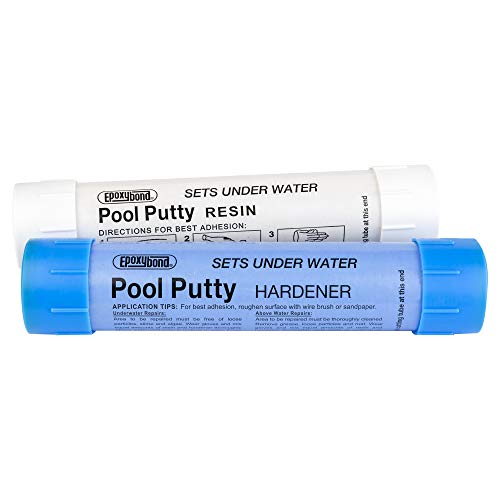
Epoxybond Pool Putty 2-Part Pool & Spa Repair

Birllaid Inflatable Patch Repair Kit (Tape Roll)

Photect Extra Large Pool Liner Repair Patch (9 x 45.5″)

Pool Above Heavy Duty Vinyl Repair Patch Kit
Leslie’s Patch It All Purpose Waterproof Cement (10 lbs)
A Breakdown Of The Leading Choices
The Tiepetly kit arrives as a 60ml bottle of clear vinyl PVC glue, sized for the kind of mid-summer mishaps that show up at the worst time. A small air mattress that won’t hold air, a kiddie pool that bubbles from the seam, or a hot tub cover with a corner split: all of those are realistic targets for this bottle. Compared to the Epoxybond putty, this is the soft-vinyl branch of the family, working on flexible materials where rigid epoxy would crack off.
You’ll want a calm work surface and decent ventilation, since the adhesive behaves like most vinyl cements. Apply to a clean, dry patch area, press the included material down firmly, and let it cure before reinflating. In most backyards, one bottle handles several small repairs before it runs dry, which makes it feel generous for the price.
A Few Highlights
- Clear PVC glue works on air beds, hot tubs, and small pool floats without leaving an obvious color block.
- The 60ml size is generous enough to repair multiple leaks over a single season.
- Sticks to standard vinyl and PVC, so one bottle covers a wide mix of inflatables around the house.
- Flexible bond that moves with the material instead of cracking when the pool flexes.
Things To Consider
- Not formulated for hard surfaces like concrete or fiberglass, so it can’t replace the Epoxybond putty on a cracked pool wall.
- Cure time means you can’t refill the pool instantly; you’ll need a dry window for a clean set.
Quick Facts
Best Suited To
Households with a mix of air mattresses, kiddie pools, and soft inflatables who want one bottle to cover most of the small leaks that pop up each season.
Look Elsewhere When
You’re patching a concrete or fiberglass shell, where the Epoxybond Pool Putty is the more appropriate tool for wet, hard-surface cracks.
Epoxybond arrives as a two-part putty you knead by hand, then press directly onto a crack, even with water still in the pool. That underwater-cure feature is the entire point: a slow leak in a fiberglass spa or a hairline crack in a concrete step doesn’t get to wait for a drain day. Where the Tiepetly glue lives in the soft-vinyl world, this putty lives in the rigid-shell world.
Mix equal parts, roll or press the putty into the damaged zone, and it hardens in place without shrinking or sagging. In most cases, a single stick fills multiple small cracks before it’s used up, so you don’t feel pressured to save it for a single big repair.
What It Does Well
- Applies underwater, so you skip the chore of draining a pool or spa just to reach the leak.
- Two-part putty bonds to concrete, fiberglass, and similar rigid pool surfaces.
- Cures without shrinking or sagging, holding its shape on vertical walls and around fittings.
Trade Offs
- Not designed for flexible vinyl liners; the cured putty is rigid and would pop off a soft surface.
- Working time is short once the two parts are mixed, so larger repairs need a deliberate plan.
Who Should Grab It
Owners of concrete, gunite, or fiberglass pools and spas who want to stop a leak in a wet shell without draining the structure first.
Reach For A Different Pick When
You’re patching a soft vinyl liner, where the Photect oversized self-adhesive patch handles the same job without mixing putty.
Birllaid’s kit takes a different approach: instead of a small patch and a tube of glue, you get a roughly 3-inch by 7-foot roll that you cut to the length you actually need. A long seam split on a bounce house or a ragged tear along a pool float suddenly becomes a single continuous strip rather than five overlapping circles. Where the Tiepetly glue relies on a chemical bond, this tape relies on a pressure adhesive and a generous footprint.
The trade-off shows up in surface prep, since adhesive tape rewards a clean, dry area more than liquid glue does. The waterproof rating also means the repair can go back into service without long cure times.
The Practical Payoff
- Long roll format handles extended tears and seam splits that small circular patches can’t cover cleanly.
- Cut-to-size design means you only use what you need and store the rest for next time.
- Waterproof bond suitable for pool floats, tents, and bounce houses that see regular wet use.
Small Caveats
- Pressure adhesive needs a thoroughly clean and dry surface to stick well, so a quick wipe-down is non-negotiable.
- Not a structural fix for rigid pool shells, so it doesn’t compete with the Epoxybond putty on concrete or fiberglass.
Whose Shelf It Belongs On
Families running bounce houses, large pool floats, and canvas gear where tears tend to be long rather than pinpoint.
Swap It Out When
You need a single, fast, color-matched spot patch on a colored above-ground liner, where the Pool Above kit’s pre-cut vinyl circles are a cleaner choice.
Photect gives you one large self-adhesive PVC sheet at roughly 9 by 45.5 inches, so a big scrape along a pool wall or a section of liner peeled back by a stray branch is covered in a single application. There’s no glue to mix and no pot time to worry about; the patch goes down, you press it flat, and the pool can refill. Where Birllaid’s long roll is about handling seam damage, this oversized sheet is about handling area damage.
The honest read is that the patch is large enough to cover a problem area, but you can also trim it down to multiple smaller patches for later repairs.
Noteworthy Benefits
- Oversized sheet handles big scrapes and peeled sections in a single piece, avoiding a patchwork look.
- Self-adhesive backing means no separate glue, no mixing, and no risk of a gooey mess on the liner.
- Clear PVC keeps the patch subtle on light-colored pool walls.
Points To Keep In Mind
- Single large sheet means once it’s used, it’s gone, so storing the leftover in a clean, dry place matters.
- Surface must be dry and clean for the adhesive to grip fully, similar to other pressure-applied vinyl patches.
Feature Snapshot
Made For
Owners of large above-ground pools who need to cover a wide scrape or peeled section in one pass without mixing any adhesive.
Skip It When
You’re patching a series of small leaks across multiple inflatables, where the Pool Above kit’s multiple color-matched circles spread your coverage more evenly.
Pool Above leans into the heavy-use side of pool patching, supplying eight round patches around 2 inches across cut from 1100 denier polyester canvas (a tough, tightly woven fabric rated for abrasion). The kit also bundles a 30ml tube of vinyl cement, an applicator, and two thin clear vinyl sheets for lighter work. Where the Tiepetly glue is the flexible-Vinyl-Cement specialist, this kit is the ready-to-go set with a structured patch on top.
The patches come in a color that helps them blend with common liner tones, and the reinforced construction handles rougher conditions than a basic clear film.
The Upside
- 1100 denier polyester canvas is genuinely heavy duty, holding up on above-ground liners and rafts that see rough use.
- Eight pre-cut patches mean you can spread coverage across multiple leak points instead of saving one tube for a single repair.
- Includes both a vinyl cement tube and clear vinyl sheets, giving you a couple of application options in one box.
Possible Compromises
- Pre-cut 2-inch circles don’t suit long seam tears the way Birllaid’s cut-to-length roll does.
- Color match is decent but not invisible; the patch will still read as a small spot on a very light liner.
The Right Fit
Shoppers running an above-ground pool alongside kayaks, rafts, and air beds who want a multi-patch kit that handles many small jobs in one purchase.
Not Your Match When
You need an oversized, clear, single-piece patch for a wide scrape, where the Photect sheet covers the area without overlapping circles.
Leslie’s Patch It is the heaviest item on this list, both in weight and in role. The 10-pound tub of waterproof cement is built for plaster and tile repairs on gunite or concrete pools, with a 3 to 5 minute set time that lets you stop active leaks fast. The other kits on this list live in the soft-vinyl and putty worlds; this one lives in the masonry world. If your pool has a chip near a return fitting or a hairline crack in the plaster, this is the category the job actually falls into.
The trade-off is scale: a 10-pound tub is sized for pool owners, not for a quick inflatable fix, and once you open it, shelf life becomes a real consideration.
Useful Touches
- Quick 3 to 5 minute set time stops active water loss fast, even on a wet surface.
- 10-pound tub handles multiple plaster and tile repairs around the same pool over time.
- Formulated to resist constant water pressure, so the patch survives normal pool operation.
Factors To Consider
- Designed for plaster, tile, and masonry rather than vinyl, so it overlaps with the Epoxybond putty on hard shells but not on soft inflatables.
- Fast set time means you mix only what you can apply in a few minutes; beginners may waste some on the first try.
Key Product Details
Who Will Love This
Owners of gunite or concrete pools who deal with recurring plaster chips, hairline cracks, or tile-edge repairs around fittings.
A Better Fit Elsewhere
You’re patching a soft vinyl inflatable, where the Tiepetly glue or Pool Above patch kit is the right scale and chemistry.
What To Match Before Picking Your patches for inflatable pool
Start with the surface. Soft vinyl air beds, PVC pool floats, and flexible above-ground liners all need a flexible adhesive or self-adhesive patch that moves with the material. Rigid shells, including concrete, gunite, and fiberglass, call for putty or cement that cures hard and holds up to constant water pressure. Mixing the two categories is the most common reason a repair fails within a week.
Next, look at the size and shape of the damage. A pinpoint hole is happy with a small circular patch or a drop of vinyl glue. A long seam split rewards a cut-to-length roll like the Birllaid tape, and a wide scrape along a liner wall calls for an oversized sheet such as the Photect patch. Pre-cut multi-packs make sense when the damage is spread across several spots.
Working conditions matter as much as the patch itself. Liquid glues and self-adhesive patches both want a clean, dry surface, so plan for surface prep and a calm window before refilling. Putties and quick-set cements that cure underwater trade a longer setup for the convenience of skipping a drain.
Storage and reuse round out the decision. A 60ml bottle of glue or a long tape roll sits comfortably in a garage shelf and stays ready for next summer. A 10-pound tub of cement is more of a project-scale purchase that pays off over multiple masonry repairs rather than a quick grab for a single air bed.
Smart Spending Across The Category
Pitfalls Shoppers Hit
Buying the wrong chemistry for the surface is the headline mistake. Vinyl glue on concrete won’t bond, and cement on a flexible liner will crack off within days. Match the kit to the material before anything else, and check that the patch is rated for the moisture level of the repair zone.
Skipping surface prep is the close second. Adhesive patches and liquid glues both lose significant holding power when applied over sunscreen residue, algae, or a damp patch. A quick wipe with isopropyl alcohol and a few minutes of dry time usually make the difference between a one-season repair and a multi-season one.
Where The Extra Money Goes
Heavier kits earn their keep through patch count and reinforced materials. The Pool Above set’s 1100 denier canvas circles, for example, outlast basic clear film on high-friction areas like pool floors and raft seams. Larger adhesive sheets, like the Photect patch, cost more because they cover a problem in one piece rather than requiring an overlapping collage.
Specialty underwater-cure products, including the Epoxybond putty and Leslie’s quick-set cement, also justify a higher cost when the repair site can’t easily be drained. The premium buys the ability to skip a major pool service step, which is the actual value for most households.


