

Keeping a watering hole usable for cattle, horses, goats, or backyard poultry comes down to two things: a container tough enough to survive hooves, horns, and weather, and a treatment plan that keeps the water from turning into a green mess by midsummer. Most small operations don’t need an industrial stock tank; they need something that holds enough volume, sits flat, and won’t crack after one hard winter. The picks below cover both sides of that equation, from heavy-duty feed pans that double as shallow waterers to dye treatments that cut sunlight so algae can’t take hold.
A Closer Look At The Lineup

Little Giant Plastic All-Purpose Tub 6.5 Gallon (Green)

Aquashade Plus Pond Colorant, 50 oz.

The Pond Guy PondShade Caribbean Blue Pond Dye, 1 Gallon

Aquashade Blue Pond Dye 1 Gallon

Crystal Blue Ocean Blue Pond Dye 1 Gallon

4X Aqua Blue Pond Dye Concentrated Colorant, 32 oz

The Pond Guy LiquidClear Beneficial Bacteria Pond Cleaner, 32 oz
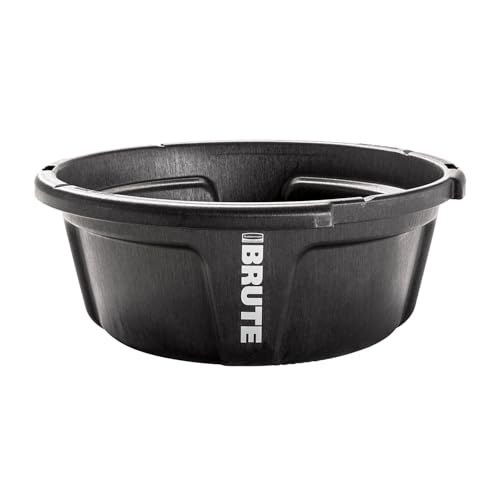
Rubbermaid Commercial Brute 6-Gallon Animal Pan Feeder
More On The Choices That Made The List
Shallow, wide, and forgiving of clumsy hooves, the Little Giant All-Purpose Tub is the kind of low-key workhorse that ends up doing three jobs on a small property. At roughly 18 inches across and 8 inches tall, it doubles as a backyard pond tub, a goat feed pan, or a temporary waterer for a pen of chicks.
You’ll find the molded hand grips especially useful when hauling water uphill in winter, and the DuraFlex body holds up well to freezing and thawing cycles. The green color blends into pasture settings more naturally than a bright-white bucket, too.
Notable Gains
- Durable DuraFlex plastic resists impacts, warping, and stress cracks in everyday use
- Integrated hand grips make a full 6.5-gallon load easier to carry across rough ground
- Shallow profile works for small poultry, goats, and rabbits that can’t reach deep water
- Multi-use design doubles as a feed pan, garden tub, or bath for equipment
- Made in the USA construction supports a known supply chain
Things To Consider
- 6.5 gallons fills quickly with more than two or three large animals, so plan for frequent refills
- No drain plug, so emptying means tipping the whole tub
Who It Suits Best
Small-scale homesteaders running poultry, rabbits, or a pair of goats who want a tough, made-in-the-USA tub that does triple duty around the barn.
Where Another Pick Suits Better
The Rubbermaid Commercial Brute 6-Gallon Animal Pan Feeder is a stronger match for daily feed-out routines where you want stackable storage between uses.
For a small stock tank that clouds up with green algae by July, Aquashade Plus is the lightest-touch treatment on this list. The 50-ounce bottle pours directly into the water, where it disperses into a faint blue tint that limits the sunlight reaching submerged plants.
Since this formulation carries EPA approval for use around livestock and aquatic life, you can add it without worrying about residue in drinking water. In most small tanks, depending on your refill schedule, one bottle stretches across an entire season.
Real Benefits
- Shades water to suppress algae and underwater weed growth
- Eco-friendly, non-toxic profile suits livestock drinking tanks
- Pour-in application needs no special equipment
- Compact 50-oz size is easy to store in a barn shelf
Worth Noting
- Best applied early in the season before plants germinate, so timing matters for new buyers
- Not for water intended for human consumption
- Smaller volume than full 1-gallon options if you manage several tanks
Made For
Hobby farmers with one or two modest stock tanks who want a simple, EPA-reviewed pour-in treatment rather than bulk liquid.
Consider Something Else When
Operators running multiple large tanks should look at the Aquashade Blue Pond Dye 1 Gallon, which covers far more volume per bottle.
PondShade does the obvious job of tinting a water tank that lovely Caribbean blue, but the real payoff is functional. The dye filters UV rays that would otherwise fuel weed and algae growth, so the same jug that makes a backyard pond look polished also keeps the water clearer through the hot months.
You can use it year-round with no temperature restrictions, which is helpful in shoulder seasons when algae tends to rebound. Compared with the Aquashade options, it leans more aesthetic, so it’s a natural fit for decorative ponds next to a small flock’s waterer.
Benefits That Matter
- Blocks UV rays to slow algae and submerged weed growth
- Decorative Caribbean blue tint improves curb appeal around the property
- Year-round usability without temperature restrictions
- Concentrated formula covers a substantial pond per gallon
Trade Offs
- Color focus means less hard-edged algae control than registered herbicide alternatives
- Re-application needed as water dilutes from rain and refill cycles
Right Fit For
Property owners who want their water feature to look as clean as it functions, especially those managing koi ponds or visible tanks near a home or garden.
Not Your Match When
Working farms focused purely on algae suppression may prefer the Aquashade Blue Pond Dye 1 Gallon, which is registered specifically for that purpose.
This is the registered workhorse of the dye category. Aquashade is the only EPA-registered liquid dye designed to interrupt photosynthesis in underwater weeds, which means it tackles algae at the source rather than just masking the green color.
One gallon stretches a long way across a multi-tank operation, and the eco-friendly profile is safe for fish, livestock, and swimming. If you manage several stock tanks, a half-acre pond, or both, the 1-gallon format reduces how often you’re reordering mid-season.
Where It Excels
- EPA-registered as a weed-and-algae suppression treatment
- Sunlight-blocking mechanism disrupts photosynthesis rather than killing with chemicals
- Safe for fish, livestock, and swimming when used as directed
- One-gallon format suits multi-tank and pond operations
Things To Consider
- Not approved for water intended for human consumption
- Results depend on consistent re-treatment after heavy rain or refill
Best Suited To
Mid-sized farms and acreage owners running a mix of stock tanks and decorative ponds who want a registered, broad-coverage dye in a single jug.
Look Elsewhere When
Owners of one small decorative tank may find the 4X Aqua Blue Pond Dye more economical, since a little of the concentrated formula goes further.
If your “tank” is closer to a farm pond that covers real acreage, Sanco’s Ocean Blue is built for that scale. One gallon is rated to treat up to a full surface acre, which is the kind of coverage that small backyards never need but mid-size properties rely on.
The blue and yellow dye blend produces a clean turquoise on clear water, and the color settles to a more muted blue on naturally muddy water. That visual result depends on starting water clarity, so taking a quick “before” photo helps you measure how much it actually changed.
Reasons It Performs
- Single-gallon coverage up to one full surface acre
- Environmentally friendly dye profile
- Turquoise finish on clear water, blue tint on muddy water
- Compatible with fish and livestock ponds when used as directed
Honest Caveats
- Visual result varies based on existing water clarity
- Bulk one-gallon size may be more than small-tank owners can use before it loses potency
Who Will Love This
Property owners with farm-scale ponds of roughly a quarter acre to a full acre who want one jug to handle the whole surface.
A Better Fit Elsewhere
For a typical backyard stock tank, the Aquashade Plus 50-oz bottle is a more manageable size and easier to store in a feed room.
Not Rocket Sciences leans hard into concentration: one 32-ounce bottle here is rated to do the work of a full gallon of standard pond dye. For a small property with one or two tanks, that smaller, heavier bottle is easier to haul and store than a gallon jug.
The aqua blue finish looks bright and natural, and because the dose is so small, the color is easy to fine-tune. If your tank is heavily disturbed by livestock, a half-dose per refill often keeps the tint without overdosing.
What Pays Off
- 4X concentration means smaller, easier-to-handle bottle
- Smaller dose per treatment simplifies measuring for small tanks
- Bright aqua blue finish looks natural in rural settings
- One bottle replaces four gallons of standard dye, reducing storage and shipping waste
Points To Note
- Concentrated formula needs careful measuring to avoid over-tinting in shallow water
- Smaller bottle may not suit very large pond owners
Who Should Grab It
Small-property owners who treat often and want a compact, easy-to-store bottle they can keep in a feed shed without dedicating shelf space to a gallon jug.
Swap It Out When
Anyone managing a half-acre pond or more will get better value from the Crystal Blue Ocean Blue 1-Gallon, which is designed for that surface area.
LiquidClear takes a different angle from the dyes on this list. Instead of blocking sunlight, it introduces beneficial bacteria that break down organic sediment, ammonia, nitrates, and the sludge layer that builds up at the bottom of a stock tank or pond.
You pour it in every two weeks, so it’s a maintenance habit rather than a one-shot treatment. Pair it with a dye like Aquashade, and the combination covers both clarity and nutrient load over a long season.
Everyday Perks
- Beneficial bacteria reduce organic sediment and foul odors
- Targets excess nutrients like phosphate, nitrate, and ammonia
- Pour-in application with a simple every-two-weeks schedule
- Works alongside dye treatments for a combined clarity strategy
Points To Keep In Mind
- Not a one-time fix; needs regular dosing to maintain results
- Won’t shade water on its own, so algae may still bloom in full sun without a dye partner
Built With In Mind
Owners of long-standing tanks and small ponds where sludge and nutrient buildup are visible problems, especially when paired with a dye for sunlight control.
Another Choice May Suit
For brand-new tanks where the issue is purely green water, the Aquashade Blue Pond Dye addresses the symptom faster without a bacteria cycle.
The Brute line comes from Rubbermaid’s commercial side, and that heritage shows. The 6-gallon pan feeder uses RigidCell construction, which the brand rates at roughly twice the strength of a standard plastic feed bowl, and the same durability spec as their stock tanks.
Built-in grips make it easy to carry even with work gloves, and the stackable design saves barn space between feedings. The food-safe, BPA-free resin is a thoughtful touch for anyone who uses the same pan for water and feed on alternating days.
Useful Strengths
- RigidCell construction rated roughly 2X stronger than standard plastic feed pans
- Stackable and nestable for compact storage between feedings
- Built-in grips support comfortable handling with gloves
- Food-safe, BPA-free resin works for feed and water alike
- Made in the USA with the same durability family as Rubbermaid stock tanks
Practical Considerations
- Premium build comes at a higher cost than basic plastic tubs
- Rigid sides mean it won’t flex for awkward pour angles
The Right Fit
Working farms with daily feed-out routines where a stackable, glove-friendly pan saves time and stands up to rough handling.
Skip It When
Casual backyard users feeding two or three animals may find the Little Giant 6.5-Gallon Tub a more budget-friendly option that still handles the workload.
Choosing The Right Setup For Your Stock Water
The first call is what you’re actually watering. A shallow poultry or rabbit operation needs a low-profile pan like the Little Giant tub or the Rubbermaid Brute, where small animals can reach in without tipping the container. Larger livestock like cattle and horses need deeper, rigid stock tanks that won’t crush under a leaning head. Volume matters too: a rough rule is one to two gallons per 100 pounds of body weight per day for cattle, so plan tank size around herd weight rather than animal count.
Material drives the next decision. Rigid molded plastic resists cracking in cold weather and stays light enough to move for cleaning, while metal tanks handle heat better but can dent and rust over time. For small properties, a high-quality plastic pan is usually the easier trade, especially when it’s food-safe and stackable for off-season storage.
Treatment and placement round out the plan. A dye like Aquashade or PondShade keeps sunlight from fueling algae, while a bacterial additive like LiquidClear eats through the sludge layer that builds up at the bottom. Place the tank on level, well-drained ground, clean it every one to two weeks, and your animals will drink cleaner water with less work on your end.
What Most People Overlook Before Buying
Where Shoppers Go Wrong
The most common mistake is matching tank size to animal count instead of herd weight and water consumption. A small flock of chickens drinks less than a single heifer on a hot day, so the math runs on pounds, not heads. Another pitfall is ignoring placement. A tank set in direct sun with no shade trees or shelters will need far more treatment than a shaded spot, no matter how good the dye is.
When Paying More Pays Off
Premium builds like the Rubbermaid Brute pay you back when pans get dropped, kicked, or stacked roughly. Higher-end dyes like Aquashade are EPA-registered, which is a real distinction if you need a treatment that’s documented to interrupt algae growth. The extra cost shows up in longevity and clearer water, not in flashy features.
Key Considerations Across These Picks
Pitfalls Shoppers Hit
Buying a tank that’s too deep for the animals is a classic misstep. Chicks, ducklings, and small goats can drown in deep water, so a shallow pan like the Little Giant is the safer answer for young stock. Another easy error is skipping a treatment plan altogether and hoping the water stays clear on its own. In most climates, untreated water turns green within weeks during summer, and treatment is part of the cost of ownership.
Why Top Tier Costs More
Higher-tier tanks and treatments usually cost more because of material density, registered chemistry, or brand-backed testing. With the Brute feeder, you’re paying for RigidCell construction that won’t crack after one bad winter. With Aquashade, you’re paying for a dye that’s gone through EPA review, so the label claims have documentation behind them. The honest read is that the extra cost covers durability and accountability, not magic.
Frequently Asked Questions
How often should I clean a livestock water tank pool?
Most tanks need a full drain and scrub every one to two weeks, with light skimming of debris in between to keep the water palatable for the animals.
Can I use these pond dyes in a tank my animals drink from?
Aquashade and Crystal Blue are designed for use around livestock, fish, and wildlife when applied as directed, but none of them are labeled for human drinking water.
What’s the difference between a pond dye and a beneficial bacteria treatment?
Dyes block sunlight to slow algae, while bacteria break down organic muck and nutrients; they work best together rather than as substitutes for each other.
Do I need a shallow tub or a deep tank?
Choose shallow pans for poultry, rabbits, and small goats, and deeper rigid stock tanks for cattle and horses that need higher volume and tougher walls.
How much dye does a small stock tank actually need?
For most home tanks, a few ounces per refill is enough, and concentrated formulas like the 4X Aqua Blue require even less per dose, so a single bottle lasts an entire season.


