

Owning an in ground pool is a privilege and a job description. Between the deep-end vacuum, the winter cover, and that slowly corroding valve handle you keep meaning to replace, the gear list grows faster than the season. This roundup focuses on the equipment, consumables, and replacement parts that keep an in ground pool running clean, sealed, and ready to swim, whether you do the work yourself or hand the heavy lifting to a cleaner. Expect honest trade-offs, real-world fit, and a clear sense of who each pick is actually built for.
A Closer Look At The Lineup

BioGuard Pool Closing Complete (2 Liters)
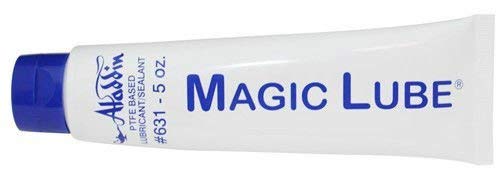
Aladdin Magic Lube 5oz Teflon Lubricant
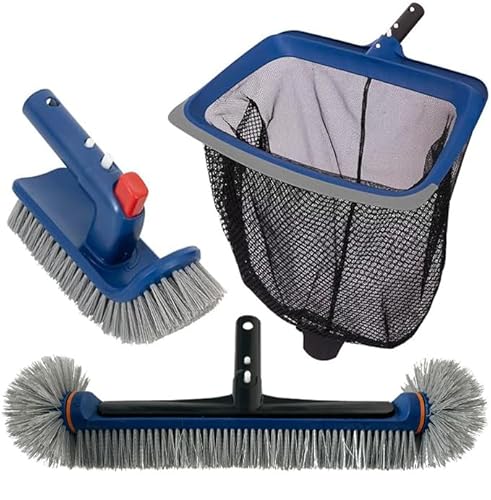
POOLAZA Pool Cleaning Kit with Skimmer and Brushes

POOLAZA Fine Mesh Skimmer and 17.5″ Brush Kit

POOLAZA 3-in-1 Pool Cleaning Kit with 73″ Pole

Zodiac R0487200 Valve Handle Replacement (Black)

Zodiac R0524900 Flex Power Turbine Engine Assembly

Polaris Freedom Cordless Robotic Pool Cleaner

Polaris Lynx Automatic Suction Pool Cleaner

Polaris Vac-Sweep 280 Pressure-Side Pool Cleaner
Closing an in ground pool is one of those once-a-year chores where a single bottle can save the whole system. BioGuard’s Pool Closing Complete is poured into the water at winterization and works quietly for months, keeping metal fittings, heaters, and tile grout from degrading under cold, stagnant water. Compared to the manual tools later in this list, this one is more like a chemical safety net than a cleaning tool.
The 2-liter bottle is sized for a typical residential pool, and the formula leans into anti-corrosion and anti-scale protection rather than just a simple algaecide. If you live where temperatures drop below freezing for stretches, that matters, because stagnant winter water is unusually aggressive on copper heat exchangers and stainless steel rails. For most homeowners, this is the step between “I covered the pool” and “I really winterized the pool”.
What Earns Its Place
- Dual anti-corrosion and anti-scale protection covers metal fittings and tile grout during long winter idle periods
- Treats water all at once at closing, so there’s no monthly winter dosing schedule to keep track of
- Helps the spring opening go faster, since scale and stain buildup are far less aggressive after a treated winter
- Compatible with most common pool surfaces, including vinyl, plaster, and fiberglass
Things To Consider
- Dosage math takes a minute, so you’ll want to know your pool’s gallon count before pouring
- Doesn’t replace a proper water level drop or plug-and-gizmo winterization, it’s an additive, not a complete winterization kit
Who It Suits Best
Homeowners in cold-winter regions who close the pool themselves each fall and want one chemical that handles metal and surface protection in a single dose.
Where Another Pick Suits Better
For owners who need actual physical debris removal before closing, the POOLAZA 3-in-1 Pool Cleaning Kit handles the leaf-and-silt work this product cannot.
Every pump, filter, and cleaner on this list depends on O-rings, and O-rings depend on a lubricant that won’t eat them. Aladdin’s Magic Lube is a Teflon-based grease designed specifically for swimming pool seals, which means it stays put underwater and won’t break down rubber or silicone the way petroleum jelly can. The 5-ounce tube is small but goes a long way since a thin film is all you need.
This isn’t glamorous gear, but in our view it’s the kind of consumable every pool owner should own before they ever crack open a pump lid. It also pairs naturally with the BioGuard winterization step earlier on this list, because fresh O-rings survive winter storage much better than dried-out ones. For most pool owners, one tube lasts multiple seasons.
The Good Stuff
- Teflon-based formula is safe on rubber and silicone O-rings, no swelling or drying over time
- Stays in place under water, so it actually keeps working on submerged seals rather than washing away
- Works for pumps, filters, valves, salt cells, and cleaner assemblies, so one tube covers a lot of hardware
Worth Noting
- Only 5 ounces, so the tube can feel small for a full multi-pump tune-up, plan on restocking for big service days
- Not a thread sealant and not a glue, so using it where a silicone sealant belongs is a common misuse
Made For
DIY pool owners who service their own pump baskets, filter caps, and cleaner housings each season and want a lubricant that actually lasts underwater.
Skip It When
If your pool runs entirely on automatic cleaners like the Polaris Freedom, you’ll use far less lubricant and a single tube may sit on the shelf longer than expected.
The POOLAZA three-piece kit is a straightforward manual cleaning set built around a skimmer net, a curved wall brush, and a smaller scrub brush for tight spots. The skimmer’s rubber-edged lip lets you scoop floating leaves without dragging them back across the water, and the rotatable brush head reaches corners and steps where algae tends to hide. It’s a sensible starter kit for someone who just inherited a pool and doesn’t yet know what they actually need.
The catch is that the kit does not include a pole, so you’ll need to supply a standard telescoping pole separately. For most people, that’s fine, since poles tend to outlast nets and brushes by years anyway. Compare it to the Vac-Sweep 280 later in this list, and the trade-off is clear: this is a hands-on tool, not a hands-off machine.
Well-Handled Touches
- Three core tools in one box means a new pool owner can start cleaning on day one
- Rotating brush head is genuinely useful for steps, ladders, and the curved cove where walls meet the floor
- Rubber-edged skimmer lip reduces the “I keep pushing the leaves around” problem common with cheaper nets
Trade Offs
- No pole included, so total cost climbs once you add a telescoping handle
- Lighter aluminum frame is comfortable but not as rigid as heavier commercial nets, owners commonly report some flex under heavy loads
- Manual brushing a full-size in ground pool takes real time, this kit works best alongside an automatic cleaner
Right Fit For
First-time pool owners who want an affordable manual kit to handle spot cleanups between automatic cleaner runs.
Look Elsewhere When
Owners who want a single purchase with a pole included should consider the POOLAZA 3-in-1 Pool Cleaning Kit with 73″ Pole instead.
This POOLAZA kit trims down to a focused pairing: a fine mesh skimmer net and a 17.5″ pool brush. The fine mesh is the headline feature, since standard skimmer bags let through anything smaller than a marble, and those small bits end up settling on the floor for the automatic cleaner to chase. The reinforced frame keeps the bag open as you sweep, so the scoop-and-lift motion actually lifts debris rather than pushing it sideways.
Like the previous POOLAZA kit, there’s no pole in the box, so this is really a “heads” replacement or a starter set for a household that already owns a handle. The 17.5″ brush is wide enough to make wall-brushing less of a chore but small enough to feel manageable. In our view, this is the better choice for pools surrounded by trees, where fine debris is the daily problem.
Useful Strengths
- Fine mesh catches pollen-sized debris that a standard skimmer net misses, helping the filter run less often
- Reinforced frame keeps the bag shape during scoops, so leaves don’t fall back into the water mid-lift
- 17.5″ brush covers more surface than a corner brush without feeling unwieldy in a smaller hand
Points To Keep In Mind
- Fine mesh bags clog faster than standard mesh in heavy leaf conditions, so plan on rinsing more often
- Two-piece set means you still need a pole, mounting hardware, and a vacuum head for full manual care
Best Suited To
Pool owners with trees nearby, particularly pines and oaks, who want a finer net to handle pollen, flower petals, and small leaves before they sink.
A Better Fit Elsewhere
For a more complete package that includes a pole, the POOLAZA 3-in-1 Pool Cleaning Kit with 73″ Pole delivers more value in one box.
The 3-in-1 kit is the most complete manual option in POOLAZA’s lineup, bundling an ultra-fine mesh skimmer net, a sturdy pool brush, and a 73″ aluminum pole into a single purchase. That pole length matters more than it sounds, since a 73″ reach lets most users work the deep end from the deck without swimming. The aluminum frame around the mesh bag keeps its shape while the fine netting scoops debris that bigger-mesh nets would drop.
Where this kit shines is “open the box, go clean the pool” simplicity. There’s no separate shopping trip for a compatible pole, and the brush head and net both thread onto the same handle. Compared to the Polaris Vac-Sweep 280 a few items down, this is a very different kind of cleaning, more about touch and control, less about automation. For most pool owners, the right answer is actually both.
What Pays Off
- 73″ aluminum pole included, so the kit is genuinely ready to use out of the box
- Ultra-fine mesh handles the smallest debris, which reduces how often you need to vacuum silt off the floor
- Single shared handle for both the net and brush keeps storage simple and cuts clutter in the pool shed
Honest Caveats
- Aluminum pole is lightweight but can flex under heavy leverage, so deep-end scrubbing may feel less rigid than a fiberglass pole
- Fine mesh requires more frequent rinsing than standard mesh in heavy debris conditions
Feature Snapshot
Who Should Grab It
Pool owners who want a single, ready-to-use manual cleaning kit that covers the most common weekly tasks without extra shopping.
Swap It Out When
Anyone who would rather skip manual brushing entirely should consider the Polaris Lynx Automatic Suction Pool Cleaner for set-and-forget weekly runs.
Valve handles break at the worst possible time, usually right when you need to redirect flow for a backwash or a cleaner hookup. The Zodiac R0487200 is a direct-fit replacement handle for Jandy NeverLube 2-inch, 3-port valves, which are common on many in ground pool plumbing setups. Because it’s an OEM part (meaning it’s made by the original equipment manufacturer, not a third-party copy), the fit and threading are exact, so you don’t end up with a stripped knob six weeks after install.
This is a very specific part, so it only makes sense for owners of the matching valve. If your valve is a different brand, this handle will not thread on correctly. Once installed, though, it tends to be the kind of part you forget about for years, which is exactly what you want from a plumbing handle.
Advantages To Know
- OEM Zodiac replacement means the threads and grip match the original handle exactly
- Lightweight at roughly 34 grams, so it doesn’t add stress to the valve stem
- Simple swap-out, since most valve handles are designed to be replaced without disassembling the valve body
Possible Compromises
- Only fits Zodiac Jandy NeverLube valves, so this is not a universal pool-part
- Black plastic can fade under constant sun exposure, owners commonly report cosmetic wear over several seasons
Whose Shelf It Belongs On
Any pool owner with a Jandy NeverLube valve who has a cracked or stripped handle and wants the OEM replacement rather than a generic fit.
Reach For A Different Pick When
If your issue is a stuck or seized valve stem rather than a broken knob, a tube of Aladdin Magic Lube is the more useful first purchase.
Inside every Zodiac MX8 suction cleaner, the turbine is the part that actually drives the wheels and brushes. The R0524900 is the factory replacement engine assembly, and swapping it in is often the difference between a cleaner that drags and one that climbs walls again. It’s a fully assembled module, so most owners can perform the swap with basic hand tools rather than sending the cleaner off for service.
The Flex Power design is rated for both full and low flow conditions, which is helpful because many in ground pools run variable-speed pumps that don’t always deliver the older single-speed flow rate. Think of this as a heart transplant for an MX8: when the cleaner is acting tired, this is usually the part that brings it back. For most pool owners, the install takes under an hour once you have the right screwdriver.
Useful Highlights
- OEM assembly means the part matches the original cleaner’s spec without adaptation
- Works on both full-flow and low-flow setups, so it pairs well with modern variable-speed pumps
- Pre-assembled module simplifies the install, fewer small parts to lose during a backyard repair
Some Limits To Know
- Only fits Zodiac MX8 cleaners, so it’s not a universal suction-cleaner rebuild kit
- If the rest of the cleaner is worn out, replacing the engine alone won’t fix cracked housings or bald brushes, so a full inspection helps
Built With In Mind
Pool owners with a Zodiac MX8 suction cleaner that has lost climbing power or stopped moving reliably and want to restore factory performance without buying a new unit.
Consider Something Else When
For households that don’t already own an MX8, a fresh automatic option like the Polaris Lynx is a more sensible starting point than a replacement engine for a cleaner you don’t have.
The Polaris Freedom is the cordless evolution of robotic pool cleaning, ditching the long floating cable that tangles and drags in favor of a built-in lithium-ion battery. It’s designed to clean from the floor up to the waterline, then float to the surface when finished so you can grab it without pulling a heavy unit out by hand. App control through iAquaLink lets you start a cycle, choose a cleaning mode, and get a notification when the job is done.
For most in ground pools, a full cycle runs in around 2.5 hours or less, which fits comfortably into a morning routine. The trade-off is charging time and battery wear over years, though the cord-free design removes a lot of the friction that makes older robotic cleaners feel like a chore to set up. Compare it to the Vac-Sweep 280: that one needs a separate booster pump, while the Freedom just needs a charged battery and a tap in the app.
Where It Delivers
- Cable-free design eliminates the floating-cable tangle that plagues older robotic cleaners
- Cleans floor to waterline in roughly 2.5 hours, so a full pool fits into a single morning cycle
- App-based control and notifications mean you can start a cycle and walk away without checking on it constantly
Where It May Fall Short
- Needs charging between cycles, so back-to-back cleanings require planning around battery recovery time
- Higher upfront cost than a manual kit like the POOLAZA 3-in-1, and battery replacement years down the line is a real ownership consideration
- For very large pools, single-charge runtime may be tight, depending on the cycle selected
Feature Snapshot
Who Will Love This
Tech-comfortable pool owners who want a hands-off clean with minimal setup and don’t mind paying more for the cordless convenience.
Not Your Match When
For shoppers who prefer a simpler, pump-powered solution without batteries or apps, the Polaris Lynx Automatic Suction Pool Cleaner is a more straightforward fit.
The Polaris Lynx is a suction-side cleaner, which means it draws its power directly from your pool’s existing filtration pump rather than a separate booster. That single design choice removes a major installation hurdle, since there’s no extra plumbing or dedicated pump to wire in. The HALO technology is built to handle fine silt and sand, debris that often slips past wider-mesh filters and settles on the floor.
The 15-inch cleaning path and spinning brushes give it solid wall and floor coverage without the price tag of a robotic unit like the Polaris Freedom. The honest read is that suction cleaners trade some autonomy for simplicity: they do what your pump can power, and they do it without batteries. For most pool owners with a working variable-speed pump, the Lynx is a low-fuss weekly runner.
What Stands Out
- No booster pump required, so install is a hose and a connection to the existing suction line
- HALO debris handling is genuinely effective on fine silt and sand, not just leaves
- 15-inch cleaning path covers the floor efficiently, so a full pool cycle finishes in reasonable time
Less Ideal Details
- Performance is tied to your pump’s flow rate, so a weak or undersized pump will limit climbing and debris pickup
- No on-board debris container means the filter takes on extra load, and you’ll likely need to clean it more often
The Right Fit
Owners with a properly sized variable-speed pump who want automatic cleaning without adding a second pump or managing batteries.
Where A Sibling Pick Shines
For homeowners who already have or want a dedicated booster pump and maximum wall-climbing power, the Polaris Vac-Sweep 280 is the step up.
The Vac-Sweep 280 is the workhorse of the Polaris pressure-side lineup, and it’s built for serious in ground pools. It runs off a dedicated booster pump, which gives it stronger vacuum power than suction-side cleaners, and the dual venturi jets move a lot of water fast. The result is a roughly 3-hour full-pool cycle that covers floor, walls, and the tight corners where debris collects.
This cleaner is safe for vinyl, fiberglass, gunite, pebble, and tile surfaces, which makes it broadly compatible with most in ground installations. The catch is the booster pump requirement, since not every pool pad has the plumbing and electrical capacity for a second pump. For homeowners who already have the setup or are willing to add it, the 280 is a reliable long-term choice. In our view, this is the right answer for large or heavily used pools that need consistent, hands-off cleaning.
Practical Advantages
- Dual venturi jets create strong vacuum power for debris that smaller cleaners miss
- Safe across vinyl, fiberglass, gunite, pebble, and tile, so it fits most in ground pool surfaces
- Cleans floor and walls in roughly 3 hours, which is a manageable morning cycle for most households
Practical Considerations
- Requires a Polaris booster pump, so the install involves plumbing and electrical work beyond just dropping the unit in the pool
- Pressure-side cleaners use a separate debris bag that needs emptying, an extra weekly step compared to suction-side units
- Higher total system cost once the booster pump is factored in, which raises the real price of ownership
Feature Snapshot
Perfect Match For
Owners of large in ground pools who already have a booster pump installed or are prepared to add one for stronger automated cleaning.
Another Choice May Suit
Households without an existing booster pump and no appetite for extra plumbing should look at the Polaris Lynx for a simpler install.
Picking The Right In Ground Pool Equipment For Your Setup
Start with the pool itself. Surface type, size, and pump capacity rule out more options than any spec sheet. Vinyl, gunite, and fiberglass all behave differently with brushes, cleaners, and winterizing chemicals, so matching the equipment to the surface prevents both damage and wasted money. Owners of large in ground pools should also check whether their pad has the electrical and plumbing capacity for a pressure-side cleaner, since that single detail changes the realistic shortlist.
Next, think about how you actually use the pool. Daily swimmers generate more oils at the waterline, so a cleaner that scrubs the tile line is worth the upgrade. Pools surrounded by trees need fine mesh nets and silt-handling suction, while mostly indoor or screen-enclosed pools can usually get by with lighter manual tools. The right gear matches the debris and use, not the marketing copy.
Finally, plan for the off-season before you buy the in-season gear. Winterizing chemicals, O-ring lubricant, and replacement parts like valve handles are easier to install on a calm October day than in a January emergency. A small maintenance kit pays for itself the first time a pump lid sticks or a valve handle snaps mid-season.
Common Slip Ups And Where The Upgrade Pays Off
Common Shopping Slip Ups
A frequent mistake is buying a cleaner that needs a booster pump when the pool pad has no provision for one, or assuming any pump will power a suction-side cleaner. Match the cleaner to the actual hydraulic setup, not the spec sheet. Another trap is overlooking fine debris: standard skimmer nets miss silt, which then settles and stains plaster. A fine mesh net or a cleaner with HALO-style debris handling avoids that slow buildup.
Where The Extra Money Goes
Higher-tier gear tends to spend on durability and automation. Cordless robotic cleaners cost more because they integrate a battery, motor, and waterline climbing into one sealed unit. OEM replacement parts, like the Zodiac valve handle and turbine engine, cost more than generic copies because the fit and materials match the original. For a pool you use every week for years, that difference usually pays back in fewer service calls and longer service intervals.
Frequently Asked Questions
What basic equipment does every in ground pool need?
At minimum, a working pump and filter, a manual skimmer net, a wall brush, and a winterizing chemical. A telescoping pole ties the manual tools together, and a lubricant like Magic Lube keeps the pump and filter seals in shape.
How often should in ground pool equipment be replaced?
Net bags, brushes, and cleaner hoses typically last one to three seasons. O-rings, valve handles, and cleaner turbines last longer, often five years or more, depending on chemical balance and sun exposure. Robotic cleaner batteries eventually need replacement after several years of daily charging cycles.
Do robotic cleaners work on all in ground pool surfaces?
Most cordless and corded robotic cleaners are safe on vinyl, fiberglass, gunite, and tile. Check the product details for surface compatibility before running, especially on delicate finishes like pebble or older plaster.
Is pressure-side or suction-side cleaning better?
Pressure-side cleaners, like the Vac-Sweep 280, offer stronger vacuum and wall climbing but require a booster pump. Suction-side cleaners, like the Polaris Lynx, are simpler to install and run off the existing pump. Robotic cleaners, like the Polaris Freedom, are the most automated but the most expensive.
Can one person maintain an in ground pool without professional service?
Yes, with the right tools. A manual kit for spot cleaning, an automatic cleaner for weekly runs, and a small stock of consumables (chemicals, lubricant, replacement O-rings) covers most residential pools. Larger or older pools may still benefit from a seasonal professional tune-up.
Bottom Line
The right in ground pool equipment is less about buying everything and more about matching gear to your surface, debris, and pump setup. Start with the consumables and small parts that prevent emergencies, then layer in a cleaner that fits your hydraulic reality. A thoughtful setup keeps swim season easy and winter closing a one-afternoon job.


