

A bare cement pool deck gets brutally hot by midsummer, and the wrong coating only makes it worse. The right product keeps the surface cooler underfoot, seals out moisture that cracks concrete from the inside, and holds color through seasons of chlorine splash and UV exposure. This shortlist focuses on liquid membrane and enamel options that bond well to cement, handle standing water, and stay comfortable to walk on through the hottest months of pool season.
How The Shortlist Stacks Up

Liquid Rubber Cool Foot Pool Deck Coating, Misty Grey, 1 Gallon
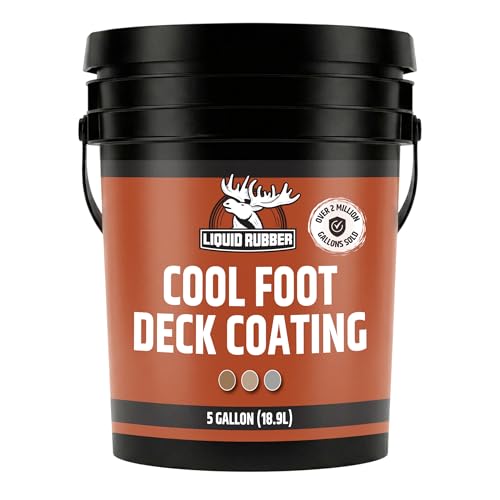
Liquid Rubber Cool Foot Pool Deck Coating, Neutral Beige, 5 Gallon

Liquid Rubber Polyurethane Deck Coating, Smooth, Saddle Brown, 1 Gallon
Liquid Rubber Polyurethane Deck Coating, Smooth, White, 1 Gallon
Liquid Rubber Polyurethane Deck Coating, Smooth, Misty Grey, 1 Gallon
Liquid Rubber Polyurethane Deck Coating, Textured, Neutral Beige, 1 Gallon
Liquid Rubber Polyurethane Deck Coating, Textured, Saddle Brown, 1 Gallon

California Paints ALLFLOR Porch, Patio and Floor Enamel, Coast Guard Gray, 1 Quart
Inside Each Recommended Option
Anyone who has shuffled across a cement deck in August knows the sting of sun-baked concrete. The Cool Foot formula from Liquid Rubber tackles that problem head-on with a coating engineered for solar reflectivity, which is a fancy way of saying it bounces more sunlight back into the sky than standard paint. Applied to a properly prepped surface with a brush, roller, or sprayer, it builds into a seamless membrane that grips cement without peeling at the edges.
The Misty Grey tone softens the look of weathered concrete and hides everyday dust between rinses. A single gallon covers a modest pool surround, making it a practical size for a first-time resurfacer who wants to test the application method before committing to a larger pail.
Points In Its Favor
- Engineered solar reflectivity that noticeably lowers surface temperature in direct sun
- Seamless membrane bonds to concrete, wood, and other common deck materials
- One-gallon size is approachable for a first DIY project around a small pool
- Misty Grey hides footprints and light dust between hosing sessions
- Accepts brush, roller, or paint sprayer depending on your comfort level
Things To Consider
- Surface prep is non-negotiable; grease, flaking paint, and loose concrete must be addressed first for the membrane to bond
- Multiple coats are typically needed, so plan your weekend around dry time between layers
At A Glance
Who It Suits Best
Homeowners with a small to mid-size cement pool deck who want a cooler surface underfoot without investing in a five-gallon pail.
Consider Something Else When
You have a sprawling backyard pool needing several coats; the Liquid Rubber Cool Foot Pool Deck Coating in Neutral Beige 5 Gallon pail covers the same formula at a project-sized scale.
Same Cool Foot chemistry, just scaled up for an entire backyard. The 5-gallon pail suits anyone resurfacing a generous cement apron, a wraparound pool deck, or a concrete patio that flows directly into the pool surround. Neutral Beige blends comfortably with most stone, stucco, and natural landscape palettes, so the deck never competes with the rest of the yard for attention.
Because the chemistry matches the Misty Grey one-gallon version, mixing or color-matching between containers is straightforward. That is useful when a homeowner needs to touch up a high-traffic corner a year later without a visible patch line.
Everyday Advantages
- Five gallons handle a full-size pool deck in a single purchase
- Reflective surface keeps the deck noticeably cooler than bare cement
- Color compatibility with the one-gallon Cool Foot Misty Grey for spot repairs
- Brush, roller, or sprayer application keeps the method flexible
Points To Note
- Five gallons is heavy; plan help for moving and pouring
- Cool Foot is a multi-coat system, and you will need dry weather windows to finish the project
Who Will Love This
Homeowners resurfacing an entire pool surround at once and wanting the same solar-reflective performance as the smaller Cool Foot pail.
A Better Fit Elsewhere
You only need to refresh a small cracked corner; the California Paints ALLFLOR Porch, Patio and Floor Enamel in Coast Guard Gray ships in a more practical one-quart size for that kind of patch.
Where the Cool Foot line focuses on heat, the Polyurethane Deck Coating focuses on toughness. This is a hard, flexible membrane designed to resist peeling, cracking, and the kind of moisture wicking that destroys standard deck paint. Saddle Brown gives the deck a rich, earthy tone that pairs naturally with stone coping and darker pool liners.
Polyurethane deck coatings are a step up from acrylic deck paints in chemical resistance, which matters around chlorinated water and salt systems. The smooth finish lays flat and looks clean against modern architecture, though it offers less traction than the textured variants further down this list.
A Strong Showing
- Polyurethane membrane resists cracking and peeling far better than basic deck paint
- Handles standing water and freeze-thaw cycles when applied to a sound substrate
- Saddle Brown delivers a warm, designer-friendly look
- Smooth surface wipes clean easily after pool splash-out
Honest Caveats
- Smooth finish is slick when wet; consider the textured variants if traction matters
- Stronger chemistry means stricter prep and careful coat timing
The Right Fit
Homeowners with a high-traffic pool deck who prioritize long-term durability over maximum barefoot grip and want a richer tone than grey or white.
Reach For A Different Pick When
Slip resistance around a kids’ pool is your top concern; the Liquid Rubber Polyurethane Deck Coating in Textured Neutral Beige gives you the same chemistry with a traction-boosted surface.
White is the most reflective color choice in any coating category, and a white polyurethane membrane over a cement pool deck can shave meaningful degrees off the surface temperature on a cloudless afternoon. This is the same hard, flexible membrane found in the Saddle Brown version, just in a bright finish that visually expands small pool areas and pairs beautifully with mid-century or coastal architecture.
Compared to the grey tones higher up, white demands more frequent rinsing to stay crisp, especially in regions with dusty winds or pollen-heavy springs. For homeowners who do not mind the upkeep, the trade is a deck that looks freshly poured even years later.
Strong Points
- Maximum solar reflectivity among the color options in this shortlist
- Polyurethane chemistry stands up to chlorine splash and UV exposure
- Brightens shaded corners of a pool area that otherwise look dim
Where It May Fall Short
- White shows dust, leaf stains, and sunscreen drips more readily than darker tones
Who Should Grab It
Homeowners in hot, sunny climates who want every reflective advantage they can get and are willing to rinse the deck on a regular schedule.
Skip It When
You prefer a low-maintenance look; the Liquid Rubber Cool Foot Pool Deck Coating in Misty Grey forgives dust far more readily while still reducing surface heat.
Mid-grey is the practical compromise in this category. Misty Grey hides the everyday mess of a working pool area, footprints, dusty pawprints, scattered leaves, while still reading as a fresh, modern color choice. The polyurethane chemistry delivers the same hard, flexible membrane found in the warmer Saddle Brown variant, so the surface resists the kind of cracking that ruins ordinary deck paint within a season or two.
The smooth finish keeps cleanup simple; a hose and a soft push broom handle most of the weekly maintenance. For homeowners who want durability without the visual commitment of a strong color, this sits in the sweet spot.
Real Benefits
- Grey tone masks dust and debris between routine rinses
- Polyurethane membrane is rated for proper prep on concrete, wood, and metal
- Smooth profile suits modern minimalist landscapes
Trade Offs
- Reflects less sunlight than the white option in the same family
- Smooth surface can be slippery when wet without a non-slip additive
Best Suited To
Homeowners who want a low-fuss, modern grey finish and have a properly prepped substrate ready for a multi-coat application.
Where A Sibling Pick Shines
Heat reduction is your primary concern; the Cool Foot formula in Misty Grey adds solar reflectivity on top of a similar color profile.
Wet cement is a slip hazard, period. The Textured variant of the Liquid Rubber polyurethane line keeps the same hard, flexible membrane but adds a fine aggregate profile that grips bare feet and pool shoes alike. Neutral Beige works in virtually any landscape, from desert-modern to traditional suburban backyards, without clashing with coping stone or patio furniture.
The trade-off is cleaning. That same texture that helps your footing also catches dirt and organic debris more readily than a smooth coat, so plan on occasional scrubbing with a soft brush alongside the usual rinse-down.
What Pays Off
- Textured surface delivers real traction improvement over smooth variants
- Polyurethane chemistry holds up to pool chemicals and UV exposure
- Neutral Beige pairs with most outdoor color schemes
Smaller Limitations
- Texture holds onto dirt more than smooth finishes, so weekly brushing may be needed
Right Fit For
Families with kids running between the pool and the yard who want safer footing underfoot without sacrificing the durability of a polyurethane membrane.
Swap It Out When
You want warmth and traction in one finish; the Liquid Rubber Polyurethane Deck Coating in Textured Saddle Brown offers the same grip with a richer, earthier tone.
Saddle Brown with a textured profile brings together the two upgrades most homeowners ask about: a richer, naturalistic color and a slip-resistant finish. The warm tone complements timber pergolas, terracotta planters, and natural stone, which is why landscape designers often reach for this exact combination on resort-style installations.
Applied as a multi-coat system, the textured membrane bonds to properly prepped concrete and resists the peeling that plagues cheaper deck paint. Like all textured coatings, the surface benefits from occasional brushing, but the deeper tone forgives minor debris between cleanings far better than a white or pale grey finish would.
Reasons It Performs
- Warm Saddle Brown looks intentional with stone, wood, and desert landscaping
- Textured profile gives real barefoot traction around pool edges
- Polyurethane membrane resists cracking and chemical attack from chlorinated water
Some Limits To Know
- One gallon covers less area than smooth finishes because of the aggregate profile
Whose Shelf It Belongs On
Homeowners designing a warm, naturalistic pool area who refuse to choose between color depth and slip resistance.
Look Elsewhere When
Maximum solar reflectivity matters more than warmth; the Liquid Rubber Cool Foot formula in Misty Grey is engineered specifically for cooler surface temperatures.
Not every pool-deck project needs a five-gallon pail. The California Paints ALLFLOR enamel is a water-based floor paint that targets porches, patios, and basements alongside pool surrounds, and it ships in a one-quart can for smaller refresh work. Coast Guard Gray is a handsome mid-tone that suits both modern and traditional homes without screaming for attention.
Compared to the Liquid Rubber polyurethane options earlier in this list, ALLFLOR is a traditional enamel rather than a flexible membrane. It is friendlier to a casual DIY schedule and standard painting tools, though it will not offer the same elongation and crack-bridging under heavy substrate movement. For weekend projects and touch-ups, that is usually a fair trade.
The Upside
- Water-based formula cleans up easily with soap and water
- Suited to porches, patios, and pool decks from a single can
- Coast Guard Gray offers a versatile, designer-friendly neutral
Practical Considerations
- One quart covers limited square footage, so it works best for spot refinishing or accent zones
- Enamel chemistry does not flex the way polyurethane membranes do over a moving substrate
Made For
Homeowners with a small poolside area, a basement floor, or a patio who want a traditional enamel refresh without committing to a full resurfacing project.
Not Your Match When
You are resurfacing a large, high-traffic pool surround; the Liquid Rubber Polyurethane Deck Coating in Textured Neutral Beige brings a more flexible membrane at a comparable per-gallon chemistry.
What Matters Most Before Choosing Cement Pool Deck Coatings
Surface Prep Sets The Ceiling
A coating is only as good as what it bonds to. Cement pool decks collect body oil, sunscreen residue, mildew, and mineral deposits, all of which can prevent a membrane from adhering properly. Pressure washing, degreasing, and letting the slab dry thoroughly are the unglamorous steps that decide whether a resurfacing job lasts two summers or ten. Manufacturers of liquid rubber and polyurethane products consistently call out substrate prep as the single biggest factor in coating longevity, and skipping it is the most common reason a fresh coat starts peeling within the first year.
Reflectivity Versus Traction
The two most important performance attributes in a pool deck coating pull in opposite directions. Highly reflective formulas like the Cool Foot line keep the surface cool underfoot, but smooth reflective finishes can be slippery when wet. Textured profiles solve the traction problem at the cost of being slightly warmer and harder to clean. The right balance depends on who uses the pool: kids and older adults benefit from textured surfaces, while a sun-baked south-facing deck may justify prioritizing reflectivity.
Chemistry And Film Thickness
Acrylic deck paints, polyurethanes, and enamels each behave differently once cured. Polyurethane membranes cure into a flexible film that stretches with the substrate, which matters on cement that expands and contracts through the seasons. Enamels form a harder, less flexible film that looks crisp but can crack if the slab shifts. Matching the chemistry to the condition of your concrete is more important than matching the chemistry to the color you like.
Scale Of The Project
A one-quart enamel can handle a basement accent or a small patio repair, while a five-gallon pail is closer to what a full pool surround actually needs once you account for multiple coats. Before you fall in love with a color, measure the deck and confirm the coverage rate per gallon, then buy ten to fifteen percent more than the math suggests. Running out of coating mid-project is a familiar headache, and color matching between production batches is never guaranteed.
Key Considerations Across These Picks
Pitfalls Shoppers Hit
The most common mistake is choosing a coating based on color swatch alone without checking whether the chemistry suits the substrate. Old, weathered cement with hairline cracks behaves very differently from a freshly poured slab, and a flexible polyurethane membrane will forgive substrate movement that a rigid enamel will not. Another misstep is skipping the primer or sealer that a manufacturer recommends, which often makes the difference between a coating that bonds and one that lifts within a season. Finally, plenty of homeowners underestimate dry time, walk on the deck before it has fully cured, and leave permanent shoe prints in what should have been a smooth, professional finish.
Where The Extra Money Goes
Premium pool deck coatings cost more because the resin chemistry is more sophisticated, the UV stabilizers last longer, and the formulations include additives that improve flexibility, adhesion, and chemical resistance. Higher-tier products also tend to carry better documentation on coverage rates, prep procedures, and compatible primers, which saves time and material waste on the actual project. For a small accent area, the upgrade is hard to justify, but for a full surround that you would rather not resurface again in three years, the price difference between a basic enamel and a polyurethane membrane is genuine value rather than marketing fluff.


