

Building an inground pool is one of the most ambitious home projects a property owner can take on, and the learning curve is steep before the first shovel hits dirt. Most people start with a vague idea of shape and budget, then quickly discover the gap between inspiration and execution. A solid reading list bridges that gap, mixing step-by-step construction guides, natural-pool design, maintenance habits, and idea galleries. The picks below cover practical builds under tight budgets, eco-friendly natural pools, full landscape planning, and post-build care. Whether the goal is a concrete shell poured by hand or a planted filtration pond, the right book saves weeks of guesswork and a few thousand dollars in missteps.
The Main Contenders

DIY Affordable Inground Pool: How to Build a Backyard Pool

A Guide to Building Natural Swimming Pools
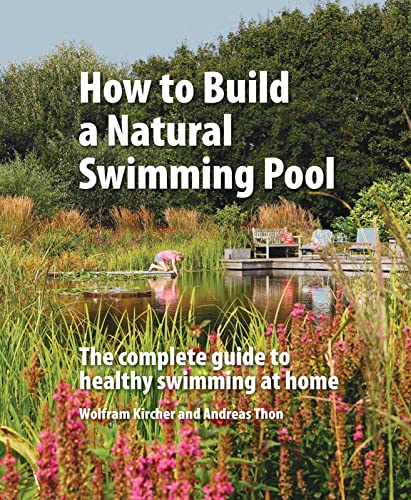
How to Build a Natural Swimming Pool
Pool Maintenance for Beginners: Busy Homeowner’s Guide

Pools and Spas: Design and Landscape Guide

Great Pools, Spas and Outdoor Living

Pool Idea Book
The Details Behind The Selections
Ballard’s guide zeroes in on the single biggest worry for self-builders: cost. The book walks through the design, layout, and planning stage before a single yard of concrete arrives, which most people skip and then regret. It covers ground prep and the pour of a reinforced concrete slab, a step that tends to absorb first-time mistakes in a hurry.
For anyone staring at a contractor quote and wondering whether to do it themselves, the sub-$10,000 framing is a useful anchor. Depending on soil and access, you may find some of the cost numbers optimistic, but the sequence of work is solid. It pairs well with a material-cost reference once the layout is locked in.
What It Does Well
- Plain-budget framing helps set realistic expectations before excavation starts
- Sequence of work moves logically from plan to pour without skipping prep
- Reinforced concrete slab focus suits small-to-medium backyard footprints
- Useful as a confidence-builder for first-time self-builders who hesitate to start
Trade Offs
- Material and labor assumptions lean toward a basic concrete shell, leaving finishes to the reader
- Permitting and inspection steps get less attention than the build itself
- Owners commonly report needing a second source for plumbing and filter sizing
Key Attributes
Who It Suits Best
Handy homeowners with basic construction experience and tight budgets who want a concrete pool without a general contractor.
Consider Something Else When
Readers chasing a plant-filtered, chemical-free pool will get more from A Guide to Building Natural Swimming Pools by Michael Littlewood.
Littlewood’s book treats the pool as a living landscape rather than a tiled box. The premise is a regeneration zone filled with aquatic plants that filter the water in place, eliminating the chlorine loop that defines conventional builds. Think pond-meets-pool, with a swim corridor cut through a planted filtration marsh.
Where Ballard’s guide is about cost, this one is about water philosophy. In our view, it’s the right starting point for anyone who wants a backyard feature that doubles as a habitat. The plant list and zone diagrams carry the most weight; the actual excavation details are lighter than a concrete-pool manual.
Bright Spots
- Strong visual language for plant zones and regeneration marsh layout
- Frames natural pools as year-round garden features, not summer-only water holes
- Approachable for readers with no prior pool experience at all
Softer Spots
- Less detail on liner materials and plumbing than a concrete-pool guide
- Climate-specific advice varies, and cold-winter regions need extra planning
Right Fit For
Eco-minded homeowners who want a planted, chemical-free swimming pond and don’t mind trading polished tile edges for reeds and water lilies.
Reach For A Different Pick When
Shoppers who want pure step-by-step build diagrams for a natural pool will find How to Build a Natural Swimming Pool by Wolfram Kircher more technical.
Kircher’s volume picks up where Littlewood’s leaves off, leaning into the engineering side of natural pools. Where the previous title sells the dream of a planted swimming pond, this one measures the liner, sizes the pump, and walks through the hydraulics. It reads more like a builder’s manual than a coffee-table book.
For self-builders with a natural-pool vision, this is the technical companion. Compared to the DIY Affordable Inground Pool guide, which focuses on concrete shells, Kircher’s title is for folks who want plants to do the filtering and are willing to dig a regeneration zone alongside the swim area. The trade-off shows up in the learning curve, which is steeper than a typical home improvement book.
Notable Upsides
- Detailed diagrams of liner placement, pump sizing, and zone transitions
- Helpful for matching plant species to climate and water depth
- Strong reference value once a design is committed to
Honest Caveats
- Translation style can feel dense, so non-native English readers may need to slow down
- Limited photo inspiration compared to a typical idea book
Feature Snapshot
Best Suited To
Technically inclined self-builders who already like the natural-pool concept and want a manual that treats the build like a real engineering project.
Look Elsewhere When
Readers who want broader outdoor lifestyle inspiration will get more from Great Pools, Spas and Outdoor Living by Vicki Christian.
Miller’s guide sits in a different lane from the rest of this list. It does not build a pool, but it picks up the moment the water is full and the homeowner is staring at a test kit. Crystal-clear water year-round, efficient maintenance, and demystified chemical balance are the three pillars, and each gets a plain-language treatment that respects the reader’s time.
Owners commonly report that the first season of pool ownership feels like a chemistry class they never signed up for. This book shortens that learning curve with practical routines and realistic cost expectations. Pair it with one of the construction guides above, and the project stays on track from dig to daily skimming.
Strong Points
- Quick, efficient maintenance routines built for people with limited free time
- Chemical balance explanations that don’t require a science background
- Year-round framing helps owners plan for winter, not just summer
- Cost-cutting focus addresses the bills that arrive after the build
Points To Note
- Does not cover construction, so it pairs with another title on this list
- Limited advice for saltwater or natural-pool care specifically
Core Details
Who Will Love This
First-year pool owners balancing the pool with a job, kids, and a weekend calendar that already feels full.
Skip It When
Readers still in the design stage will find Pools and Spas by the Editors of Sunset Books a better use of reading time right now.
The Sunset Books editors built this volume as a planning companion, not a build manual. It leans into the early-stage decisions that haunt every pool project, from material selection to working with contractors, and it covers both new builds and upgrades to existing pools and spas. The photography spans climates, which helps readers match inspiration to their own region.
What makes this title stand out is the material cost comparison, a section most pool books skip. Concrete, vinyl, fiberglass, and gunite each get a pros-and-cons breakdown, which is exactly the chart many homeowners wish they had before signing a contract. For most backyards, the section alone justifies the price.
Points In Its Favor
- Side-by-side material comparison with relative cost framing
- Wide visual range covering different climates and landscape styles
- Useful for both new builds and existing-pool upgrades
A Few Limitations
- Less detail on actual construction sequences than dedicated build guides
- Contractor advice is general rather than region-specific
Perfect Match For
Design-stage homeowners who want a single book to compare materials, set a budget range, and brief a landscape architect.
Where A Sibling Pick Shines
Shoppers who want entertainment-focused ideas should flip through Great Pools, Spas and Outdoor Living by Vicki Christian instead.
Christian’s book expands the definition of a pool project to include the whole backyard. Beyond the water, it covers fire pits, outdoor kitchens, big-screen TVs, and lounging furniture. The premise is that a pool is one feature inside a larger outdoor room, and the design ideas help homeowners picture that room before the first bid lands.
Where the Sunset Books title compares materials, this one sparks ideas. The “must-haves” section is a smart collaboration tool for design meetings, because it gives the design team and the homeowner a shared vocabulary. Use it before the construction manual, not after.
What Makes Sense
- Strong entertainment-focused layouts and amenity planning
- Useful idea-starters for collaborating with landscape designers
- Helps homeowners visualize the full outdoor space, not just the water
Where It Is Less Suited
- Light on construction detail; pair with a build manual for actual project work
- Style is broad, so some layouts may need significant editing to fit a small lot
Whose Shelf It Belongs On
Homeowners who entertain often and want the pool to anchor a complete outdoor living space rather than sit as a standalone water feature.
A Better Fit Elsewhere
Readers focused on raw inspiration and photo browsing alone will appreciate the Pool Idea Book by Lee Anne White even more.
White’s Pool Idea Book is exactly what its name suggests: pages of finished pools in dozens of styles. It’s a coffee-table title more than a how-to, and that is its strength. People early in a project often struggle to articulate what they want, and a visual reference solves that problem faster than a chapter of prose.
The honest read is that this book works best as the first purchase in a pool project, before any construction guide. Browse the photos, build a mood file, then bring that file to a designer or to one of the build manuals in this list. The trade-off shows up later, when the reader needs technical detail, since this title is light on specs.
Useful Touches
- Heavy photo reference makes it easy to identify a preferred style
- Helpful for sharing visual ideas with a design team or contractor
- Useful even for owners refreshing an existing pool, not just new builds
Some Limits To Know
- Minimal construction detail means it cannot stand alone as a build guide
- Costs and timelines are implied rather than spelled out
Built With In Mind
Style-first homeowners who need a visual library before they can have a useful conversation with a pool designer.
Swap It Out When
Readers who already know the style and want to start digging will reach for DIY Affordable Inground Pool by Danny Ballard instead.
Planning a Pool Project Around the Right Books
The reading list matters less than the order. Start with photo-heavy inspiration like the Pool Idea Book to set a visual direction, then move to a design-and-budget title such as Pools and Spas by the Editors of Sunset Books to ground those images in material costs and contractor realities. Once the design is committed, choose a construction manual that matches the project type: Ballard’s guide for a concrete shell, Littlewood’s or Kircher’s titles for a natural pool. Finish the stack with Pool Maintenance for Beginners by Ethan Miller so the first season of ownership does not feel like guesswork.
Book Sequence by Project Type
A concrete-shell project pairs the DIY Affordable Inground Pool guide with the Sunset Books material comparison. A natural pool project combines Littlewood’s design overview with Kircher’s technical build manual, then adds the maintenance guide for ongoing care. Lifestyle-driven projects benefit from Christian’s outdoor-living title before any build guide, since it sets the amenity context.
How to Read Multiple Books Without Overload
Skim first, mark pages, return with a project brief in hand. Each title covers a different angle, so reading cover-to-cover wastes time. Most experienced self-builders treat these as reference shelves, pulling a single title down when a specific question comes up during excavation, plumbing, or maintenance.
Key Considerations Across These Picks
Common Shopping Slip Ups
The biggest mistake is buying a build manual before deciding on a pool type. A concrete-shell guide reads like nonsense to someone planning a natural pool, and vice versa. Another pitfall is skipping the maintenance book, since most new owners underestimate the time cost of weekly water care. A third trap is treating idea books as substitutes for technical references, when in practice they serve different stages of the project.
What The Higher Tier Buys
The more detailed titles on this list cost a little more because they include specific construction sequences, plumbing diagrams, and material cost comparisons that a generic pool book skips. For a self-build, that detail often replaces a contractor consultation. For someone hiring out the work, the premium titles still pay off by giving the homeowner enough vocabulary to evaluate bids and push back on vague estimates.
Frequently Asked Questions
What is the best book for a first-time inground pool builder? Ballard’s DIY Affordable Inground Pool guide is a strong starting point for first-timers, since it focuses on a basic concrete shell and a sub-$10,000 budget framing.
Are natural swimming pools harder to build than concrete pools? Natural pools require more site planning because of the regeneration zone, but the actual construction is often less equipment-heavy than a poured concrete shell.
Do I need a separate book for pool maintenance? Yes, in most cases. Construction guides cover the build, and a dedicated maintenance title like Miller’s beginner guide handles the daily and seasonal routines that follow.
How do I choose between concrete, vinyl, and fiberglass? The Sunset Books Pools and Spas title includes a side-by-side material comparison that helps match the choice to budget, climate, and desired finish.
Should I read an idea book before or after the build manual? Read the idea book first, so the design direction is set before the construction details make sense. A visual reference also makes the build manual easier to follow.
Wrap Up
A pool project rewards preparation, and the right reading list compresses months of research into a focused few weeks. Match each title to a project stage, start with visual inspiration, and end with a maintenance manual that keeps the water clear long after the build crew leaves. Pick the one that matches the current stage of the project and build the rest of the shelf from there.


