

A pool that loses two inches of water a week from splash-out and evaporation is more than an annoyance. Skimmers gulp air, heaters cycle harder, and chemistry drifts. Automatic swimming pool fillers restore that lost water on their own, so the rest of the system can stop compensating. The seven picks below cover the core categories that keep a pool topped up: the chemistry that protects the water, the skimmer hardware that makes it all work, and the mechanical float valves that quietly do the refilling.
The Shortlist At A Glance
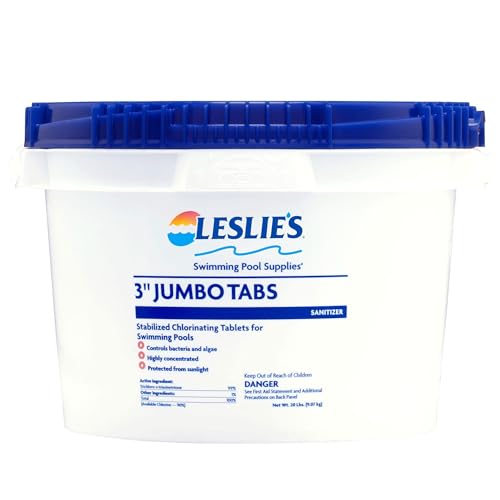
Leslie’s 3 Inch Stabilized Chlorine Tablets for Pools (20 Pounds)

Doheny’s 3-Inch Stabilized Chlorine Tablets (25lb Bucket)

Rx Clear 20 lb 3″ Stabilized Chlorine Tabs

Pentair/Sta-Rite 08650-0022 U-3 Skimmer Weir Assembly

Staypoollizer Premium Automatic Pool Filler, Brass Swivel
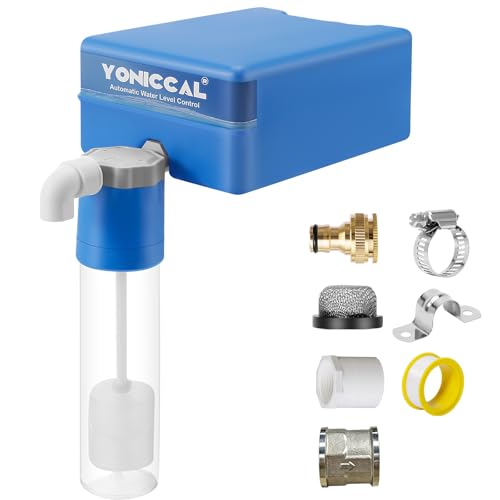
Yoniccal Automatic Pool Fill Water Leveler (3/4″ Blue)

Fill-O-Matic 2000 Premium Automatic Pool Water Leveler
Why These Options Stand Out
Most backyard pools run on a simple, dependable routine: drop a 3-inch tablet into a floater or chlorinator and let it slowly dissolve. Leslie’s 20-pound bucket fits that workflow without any fuss, and the brand’s broad retail footprint means it’s the kind of product that’s easy to replace mid-season if a bucket gets dropped or a neighbor needs to borrow one.
The tablets are stabilized against UV loss, which matters in open, sun-drenched yards where unstabilized chlorine burns off fast. For a homeowner who wants a set-it-and-forget-it baseline before the season starts, this is the dependable starting point the rest of the list gets compared against.
Everyday Perks
- Slow-dissolve 3-inch format keeps weekly maintenance light
- UV-stabilized formula holds up in direct-sun pools
- Wide availability makes restocking straightforward
- Works with most standard floaters and in-line chlorinators
Things To Consider
- Not individually wrapped, so any broken tablets need handling with dry hands
- Tabs can occasionally crumble if the bucket is stored in a hot shed
Who It Suits Best
Homeowners with a typical 15,000- to 25,000-gallon inground pool who want a known brand and don’t need specialty packaging.
Consider Something Else When
Families with curious kids or a tight storage shed may prefer Doheny’s 3-Inch Stabilized Chlorine Tablets, which ship individually wrapped with a locking lid.
Where Leslie’s is the grab-and-go standard, Doheny’s leans into storage and safety. Each 3-inch tablet is sealed in its own wrap, which sounds small until the bucket lives in a garage next to lawn tools, a lawnmower, and the occasional curious dog. Less dust, less odor, and less of that chlorine tang clinging to everything within arm’s reach.
You may find the 25-pound format oversized for a small above-ground pool, but for a full-size inground with a long swim season, the slower top-up cycle becomes a feature rather than a hassle.
What Stands Out
- Individually wrapped tablets reduce dust and skin contact during handling
- Childproof locking lid on the 25-pound bucket adds a layer of safety in shared spaces
- Pre-stabilized against UV loss for sun-heavy regions
- Larger bucket means fewer reorders across a long season
Worth Noting
- Heavier bucket can be awkward to lift down narrow basement stairs
- Premium wrapping adds a small step if you prefer tossing loose tabs into a feeder
Made For
Pool owners with kids, pets, or limited outdoor storage who want the safest, cleanest-handling bucket in the category.
Where Another Pick Suits Better
Shoppers with a smaller above-ground pool and a tight budget will get more value from the Rx Clear 20 lb 3″ Stabilized Chlorine Tabs in a lighter bucket.
Rx Clear positions itself as the no-frills workhorse of 3-inch tabs, and the 20-pound bucket hits the sweet spot for many backyard pools. The tablets are slow-dissolving, trichlor-based, and individually wrapped, so they handle a lot like the pricier options without forcing a step up in size.
For a first-time pool owner or a seasonal cabin pool, the smaller bucket keeps weight manageable and storage simple. It’s a sensible middle ground between Leslie’s bare-bones format and Doheny’s locked, wrapped bulk option.
Reasons It Performs
- 99% trichloro-s-triazinetrione with 90% available chlorine for steady sanitation
- Individually wrapped tabs reduce odor and handling mess
- Compatible with both above-ground and inground setups
Room For Improvement
- Brand recognition lags behind Leslie’s or Doheny’s, which matters when troubleshooting at the local store
- 20-pound size means more frequent reorders for larger pools
Right Fit For
First-time pool owners and seasonal cabin owners who want stabilized tabs in a manageable bucket without paying for premium packaging.
Skip It When
Households running a large inground pool with a long swim season will save trips by stepping up to Doheny’s 25lb Bucket instead.
The weir is the small flap door inside a skimmer throat, and it sounds like nothing until it cracks and the skimmer starts pulling air. At that point, every automatic filler downstream is fighting a losing battle because the water level keeps reading low. The Pentair/Sta-Rite 08650-0022 is a one-pound OEM replacement part that snaps in and restores the skimmer’s surface draw.
It’s not a glamorous buy. It is, however, the kind of part that prevents hours of chasing symptoms in the chemistry and the filter when the real culprit is a $20 piece of plastic.
What Makes Sense
- OEM part number 08650-0022 ensures direct fit on SwimQuip U-3 skimmers
- Lightweight 1-pound package simplifies installation
- Restores proper skimming action, which protects the pump and the automatic filler below it
Points To Note
- Strictly a replacement part, not a universal upgrade
- Useless on skimmer models outside the U-3 family
Key Specs
Who Should Grab It
Anyone with a SwimQuip U-3 skimmer whose weir is cracked, stiff, or missing, especially before installing a new automatic filler.
Another Choice May Suit
Pool owners with a different skimmer brand should look for a matching weir rather than forcing this part, or move directly to the Fill-O-Matic 2000 if the issue is water level rather than skimming.
This is the heart of the list. The Staypoollizer uses a mechanical float valve to sense water level and trigger a refill, which means no electricity, no batteries, and no app to babysit. The brass swivel connection is the upgrade over plastic-body fillers, because brass tolerates years of chlorinated water and the seasonal hose swaps that crack cheaper fittings.
The 4- to 9-inch water-level adjustment window makes it easy to dial in the exact fill height for a given skimmer throat. For most inground pools with a dedicated autofiller line, depending on plumbing geometry, this lands as the most hands-off option on the list.
Strong Points
- Mechanical float design needs no power or electronics
- Brass swivel resists corrosion far better than plastic alternatives
- Tool-free 4–9 inch level adjustment for matching skimmer height
- Automatically shuts off once the set level is reached
Honest Caveats
- Requires a dedicated water line plumbed to the pool, so installation may need a pro
- Higher upfront cost than a basic plastic float valve
At A Glance
Perfect Match For
Owners of inground pools with a dedicated autofiller plumbing line who want a set-and-forget mechanical valve with a corrosion-resistant body.
Look Elsewhere When
Above-ground pool owners without a hard-plumbed filler line will find the Fill-O-Matic 2000 a simpler hose-friendly fit.
The Yoniccal is the budget-friendly float valve on the list, and it leans into compact, no-frills installation. The blue housing and 3/4-inch port make sense for above-ground pools, small spas, and any setup where the filler hangs over the side of the wall rather than living inside a dedicated deck box.
Sensitive float response is the headline feature, and depending on the pool, that means the valve shuts off quickly once level is reached rather than dribbling past the mark. For a starter setup it’s a credible alternative to the Staypoollizer.
A Favorable Mix
- Compact blue housing fits tight above-ground setups
- 3/4-inch port matches common garden-hose adapters
- Simple float mechanism installs without special tools
Trade Offs
- Plastic body is more vulnerable to UV and chlorinated water over time
- Less adjustment precision than the Staypoollizer’s 4–9 inch range
Best Suited To
Above-ground pool and small spa owners who want a basic float valve without plumbing modifications.
Reach For A Different Pick When
Homeowners with a hard-plumbed inground system will get better long-term value from the Staypoollizer Premium Automatic Pool Filler with its brass swivel.
The Fill-O-Matic 2000 is the most flexible pick in the filler category because it works just as comfortably on an above-ground pool as on an inground setup. The base is 100% rubber, which sounds minor but matters in practice: it doesn’t slide on a wet deck, doesn’t leave scuff marks, and doesn’t skate when a kid bumps the pool ladder.
The UV-stabilized bracket holds up to years of chlorinated water and full sun. For shoppers torn between a dedicated inground valve and a portable above-ground unit, the 2000 sits cleanly in the middle as a long-haul, no-fuss option.
The Upside
- Works with both inground and above-ground pools
- Rubber base stays put on slick deck surfaces
- UV-stabilized bracket resists chlorine and sun damage
Small Caveats
- Larger footprint than a wall-mounted float valve
Feature Snapshot
Whose Shelf It Belongs On
Pool owners with mixed equipment, or anyone who wants one reliable leveler that can move between an above-ground and inground setup.
A Better Fit Elsewhere
Shoppers with a permanent, hard-plumbed inground line and a deck box will appreciate the cleaner look of the Staypoollizer Premium Automatic Pool Filler.
Picking the Right Pool Filler and Surrounding Gear
A pool filler only performs as well as the water around it. Start by mapping the installation before choosing a valve, because a hose-over-the-wall unit behaves very differently from a hard-plumbed deck box. Match the filler to the pool’s plumbing reality, not the other way around.
Skimmer condition is the next gate. A cracked weir on a SwimQuip U-3 will sabotage any new filler by pulling air and tricking the float into constant refill mode. Replacing the weir with the Pentair/Sta-Rite 08650-0022 first is cheap insurance and prevents chasing symptoms later.
Finally, stabilizer matters more than people expect. A 3-inch stabilized tab like the Leslie’s, Doheny’s, or Rx Clear options resists UV burn-off, so the chlorine you paid for is the chlorine that ends up in the water. Pair that with a mechanical float valve, and the rest of the system stops compensating for losses it was never meant to absorb.
Key Considerations Across These Picks
Wrong Turns To Avoid
The most common mistake is buying a float valve before checking the skimmer weir. A worn weir mimics a low-water symptom, and a new filler will run constantly trying to chase a leak that isn’t there. A quick visual check takes two minutes and saves a season of wasted water.
The second trap is assuming any 3-inch tab is interchangeable. Trichlor, dichlor, and cal-hypo behave differently in a feeder, and switching mid-season without rebalancing throws chemistry off for days. Stick with one format and one brand family through a full season before changing.
Where The Extra Money Goes
Higher-tier fillers earn their cost with corrosion-resistant bodies, broader adjustment ranges, and sturdier mounting hardware. A brass swivel or a rubber base may look like overkill until the third winter, when a cheaper plastic unit has cracked and is silently overflowing the pool onto the deck. The premium layer pays for itself the first time it survives a freeze-thaw cycle that retires its budget rivals.
Frequently Asked Questions
Do automatic pool fillers work without electricity? Yes. Mechanical float valves like the Staypoollizer and Fill-O-Matic 2000 use a physical float and a valve to sense and refill water, so they keep working through power outages and on equipment pads without outlets.
How often should a pool’s skimmer weir be replaced? Cracked, stiff, or missing weirs should be replaced before summer season begins, since a faulty weir mimics low-water symptoms and forces the autofiller to overwork. The Pentair/Sta-Rite 08650-0022 fits SwimQuip U-3 skimmers directly.
Can 3-inch chlorine tablets be used in any pool? Stabilized 3-inch trichlor tabs from Leslie’s, Doheny’s, or Rx Clear work in most residential pools, but they should only be used in compatible feeders or floaters, never dropped directly into the pool where they can damage surfaces.
Do automatic fillers work for above-ground pools? Yes. Float-valve units like the Yoniccal and Fill-O-Matic 2000 are designed for above-ground setups, while hard-plumbed units like the Staypoollizer fit inground pools with a dedicated autofiller line.
How long does a 20-pound bucket of chlorine tablets typically last? A 20-pound bucket usually lasts 2–4 weeks in a typical 15,000-gallon inground pool, depending on bather load, sun exposure, and pump runtime, so plan to reorder before the bucket fully empties.
The Takeaway
Start with the skimmer, then pick the filler, then backfill the chemistry. The Pentair/Sta-Rite weir, the Staypoollizer or Fill-O-Matic valve, and a bucket of stabilized tabs from Leslie’s, Doheny’s, or Rx Clear cover the full chain. Match each piece to the pool’s actual plumbing and storage, and the rest of the season runs itself.


