

Closing a backyard pool for the season is one of those chores that looks small on paper and turns into a weekend project by Sunday afternoon. Water chemistry needs balancing, debris needs clearing, and the cover needs to actually hold up through ice, wind, and weeks of neglect. For owners handling the job without a service crew, a few well-chosen supplies turn an open-ended mess into a clear, repeatable routine.
The list below rounds up chemical kits, ice-compensation pillows, and a heavy-duty cover, all aimed at above-ground owners who want a self-managed close. Each pick is matched to a common scenario, from small round pools to larger ovals, so the right starting point is easy to find.
The Picks In Brief

In The Swim Pool Closing Kit, 15,000 Gallons

Doheny’s Ultimate Pool Closing Kit

POOLHACKER 3-in-1 Winter Pool Closing Kit

POOLHACKER Winter Pool Pillow 4×8 FT

POOLHACKER 3-in-1 Winter Kit, 30,000 Gallon

POOLHACKER Winter Pool Pillow 4×4 FT
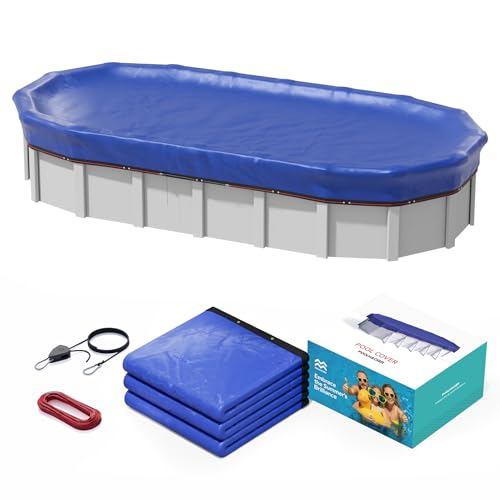
POOLHACKER 16×32 FT Oval Pool Cover 420D
A Breakdown Of The Leading Choices
For a backyard closer who wants a clear, multi-step plan, the In The Swim 15,000-gallon kit has been a go-to for years. The package bundles shock, algaecide, and a stain preventer so the closing day stays organized instead of becoming a shopping list. Owners in regions with hard freezes lean on the included instructions, which lay out dosage and timing in plain language.
It suits medium-sized above-ground pools right around the 15,000-gallon mark, where every extra step matters. For pools on either edge of that range, sizing up to the next kit is the usual move.
Bright Spots
- All-in-one bundle cuts down on separate trips to the pool store
- Step-by-step instructions help first-timers follow the right order
- Stain-preventer step protects liners and walls through the off-season
- Sized to suit most common above-ground pool volumes
Worth Noting
- Pool owners between kit sizes should round up rather than down to avoid under-dosing
- Some users report needing extra algaecide in warmer southern winters
Who It Suits Best
DIY owners of mid-size round or oval above-ground pools who want a traditional, chemistry-first close without juggling separate bottles.
Where Another Pick Suits Better
The Doheny’s kit is a better match when metal plumbing or mineral-heavy fill water makes stain control a priority.
Doheny’s leans hard into the metal-stain angle with a dedicated Metal Out treatment, which sets it apart from a basic shock-and-algaecide bundle. Pools filled from wells or run through older copper plumbing are exactly the kind that pick up discoloration during a long, still winter, and that’s where this kit earns its keep. The closing day still follows a familiar sequence: balance, shock, treat, cover.
It fits above-ground and inground pools up to 15,000 gallons, which is helpful for households that manage more than one type of pool on the same property.
The Good Stuff
- Dedicated stain-and-scale preventer addresses a real winter risk for metal-heavy water
- Clear printed instructions reduce guesswork on dosage
- Works for both above-ground and inground setups
Trade Offs
- Extra steps take longer than a single-product drop-in
- Not the cheapest route for pools with already-soft, balanced water
Made For
Owners with metal plumbing, well water, or past staining issues who want a chemistry kit that treats the cause, not just the algae.
Consider Something Else When
The POOLHACKER 3-in-1 kit is easier on busy weekends where measuring several bottles feels like too much.
POOLHACKER’s 3-in-1 approach trims the closing process to a single product dropped into the water before the cover goes on. That kind of design speaks directly to first-time owners and anyone who would rather not juggle four different chemical bottles on a cold afternoon. The plant-based formula is positioned as gentler on skin, equipment, and surrounding landscaping than harsher chlorine-heavy kits.
It’s rated for pools up to 15,000 gallons, and the single-use design means there’s no leftover chemical to store. For above-ground owners in mild-to-moderate climates, that’s often enough chemistry to carry the pool through.
Notable Upsides
- One-step application removes the multi-bottle juggling act
- No measuring, no leftover storage at season’s end
- Plant-based formula eases concerns about harsh residues
Honest Caveats
- Less customizable than kits with separate shock, algaecide, and stain steps
- Owners in harsh-winter regions may still want a backup algaecide for extra insurance
Right Fit For
Newer pool owners, busy households, and anyone who values a short, predictable closing day over a fully customized chemistry routine.
Skip It When
The In The Swim kit gives a more hands-on approach for owners who like controlling each step of the chemistry themselves.
An air pillow floats in the center of an above-ground pool and absorbs the pressure that expanding ice puts on the walls and cover. The 4×8 foot version of POOLHACKER’s pillow suits larger ovals and longer rounds where a smaller pillow would leave too much open water to push against the cover. It’s inflated before closing and stays in place all winter.
Compared to the smaller 4×4 model, this one spreads the cushioning over a wider footprint, which matters when the pool is 18 feet or longer. In our view, this is the right scale for most mid-to-large backyard setups.
Positive Takeaways
- Wider footprint distributes ice pressure more evenly
- Lifts the cover center, which helps shed rain and snow
- Fits standard above-ground pillow inflators for quick setup
Points To Keep In Mind
- Owners commonly report it works best when only partially inflated so expansion has room
- May be oversize for small round pools under 15 feet
Best Suited To
Owners of mid-to-large oval or elongated round above-ground pools who want a pillow matched to that scale.
Look Elsewhere When
The POOLHACKER 4×4 pillow is the better proportioned pick for compact round pools.
The bigger sibling of POOLHACKER’s 3-in-1 closing kit handles pools up to 30,000 gallons, which puts it in range for the largest residential above-ground setups, semi-inground pools, and shared household pools. The same single-product application philosophy applies, so closing day still comes down to opening the package and dropping it in.
It also works as a one-time dose for inground pools at the smaller end of the range, which gives it crossover appeal. The honest read is that this is the kit to grab when a standard 15,000-gallon treatment would under-dose the volume.
Standout Benefits
- Covers a much larger volume in a single application
- Same simple drop-in process as the smaller POOLHACKER kit
- Works for both large above-ground and smaller inground pools
Things To Consider
- Overkill for a typical round 15,000-gallon pool
- Single-use format means no leftover to bridge a second closing if plans change
Who Should Grab It
Owners of large above-ground pools or households running both an above-ground and a small inground on the same property.
Reach For A Different Pick When
The 15,000-gallon POOLHACKER kit is the better match for standard backyard pools, where the larger version would be wasted.
The 4×4 pillow is the compact cousin of POOLHACKER’s larger 4×8 model, built for smaller round pools where a wider pillow would be wasted real estate. It performs the same job: floating in the center of the pool to absorb expanding ice and to lift the cover so rain and snow don’t pool on top.
For a 12 to 15-foot round above-ground pool, this size typically covers the right center area without bunching the cover. Storage is also easier at the end of the season, since it deflates flat.
Features That Help
- Proportioned for typical small-to-medium round above-ground pools
- Deflates flat for compact off-season storage
- Works with standard pillow inflators and hand pumps
Points To Note
- Coverage may feel limited on pools longer than 18 feet
- Owners commonly report needing to recheck inflation mid-winter in areas with big temperature swings
Whose Shelf It Belongs On
Owners of standard round above-ground pools in the 12 to 18-foot range who want a properly scaled ice-compensation pillow.
Where A Sibling Pick Shines
The 4×8 pillow handles longer ovals and bigger rounds where a 4×4 would leave too much open water to protect.
POOLHACKER’s 16×32 oval cover brings a thicker 420-denier fabric and a cable-and-pulley anchoring system that pulls the cover tight across the top. The denier rating is a measure of fiber thickness, and a higher number generally means a sturdier, more tear-resistant surface. For windy yards and exposed sites, the cable-pulley setup is the real story: it keeps the cover from ballooning or shifting through winter storms.
The cover is rated to remain flexible at temperatures as low as -13 degrees F (-25 degrees C), so it holds up in deep-freeze regions where thinner covers would crack. The trade-off is heavier handling at install.
Everyday Wins
- Thick 420D fabric resists tears from windblown debris
- Cable-pulley system delivers a tight, even fit across the cover
- Stays flexible in sub-zero conditions for cold-climate yards
Practical Considerations
- Heavier fabric takes two people to position comfortably
- Cable-and-pulley hardware adds setup time on first install
Who Will Love This
Owners of mid-size oval above-ground pools in windy, exposed, or cold-winter backyards who want a cover that does not flap loose.
A Better Fit Elsewhere
Smaller round pools are better served by a lighter, simpler cover sized to their footprint.
What To Match Up Before Picking A Pool Closing Kit
Pool Volume Comes First
A chemical kit that is undersized for the water volume is one of the most common winter mistakes. Above-ground pools are usually described in gallons on the manufacturer’s label, and rounding down tends to leave the water under-treated. When a pool sits between two kit sizes, stepping up is the safer move.
Match The Pillow To The Pool Shape
A winter pool pillow protects the walls and cover by absorbing the pressure of expanding ice, and it only works well when it is the right size for the pool. Small round pools do best with compact 4×4 pillows, while longer ovals need a wider 4×8 model. An undersized pillow leaves too much open water to push against the cover.
Climate Drives The Chemistry Choice
Mild-winter regions can usually get by with a simple drop-in product and a basic cover, while colder zones benefit from a multi-step kit that includes a dedicated stain and scale treatment. Colder climates also push owners toward thicker, cold-rated covers that resist cracking in deep freezes.
Where The Higher Tier Buys Real Performance
A Closer Look At Cover Construction
A standard above-ground cover gets the job done in calm, mild regions, but a heavier 420-denier build with reinforced seams stands up to windblown branches, ice, and weeks of accumulated snow. The denier rating measures the thickness of the threads in the fabric, so a higher number usually means longer service life and fewer mid-season patch jobs. For pools in exposed yards, that extra material is often the difference between a cover that holds and one that fails at the worst moment.
The Payoff Of An Anchoring System
A basic cover relies on water bags or simple ties, and those tend to shift in heavy wind. A cable-and-pulley system pulls the cover down evenly from corner to corner, which keeps it in place through storms. The hardware adds install time, but it removes the most common cause of mid-winter cover failure, which is wind getting under the edges and lifting the whole thing off.
Key Considerations Across These Picks
Pitfalls Shoppers Hit
Many first-time closers underestimate their pool’s actual water volume, which leads to buying a kit one size too small and ending the winter with green water. Another common slip is grabbing a winter pillow sized for round pools and dropping it into a long oval, where the cushioning falls short. Cover sizing trips people up too, since a cover that is “close enough” to the pool footprint will still let wind and debris underneath.
Where The Extra Money Goes
The price gap between budget and premium winterizing gear usually shows up in three places: thicker cover fabric, a more reliable anchoring system, and chemistry kits that include a dedicated stain preventer. None of those upgrades are strictly required, but each one removes a real failure mode. Pools in windy sites, cold-winter regions, or households with metal plumbing tend to benefit most, while mild-climate round pools can usually get by with a basic setup.
Frequently Asked Questions
How many gallons does a typical above-ground pool hold?
Most round above-ground pools fall between 10,000 and 20,000 gallons, with the exact number depending on diameter and depth. The manufacturer’s spec sheet is the easiest source for a real figure, and measuring the pool directly is the fallback when that paperwork is missing.
Do I really need a winter pillow for my above-ground pool?
A winter pillow helps absorb the pressure of expanding ice, which protects the pool walls and the cover from cracking. Pools in regions with sustained freezing benefit most, while mild-climate pools can sometimes get by without one.
Can one chemical kit work for both above-ground and inground pools?
Several closing kits on the market are sized to cover both types, as long as the gallon rating matches the actual pool volume. The chemistry itself works the same way in either setup, so the main factor is making sure the dosage fits the water.
How often should I check the cover during winter?
A quick monthly check is usually enough to spot water pooling, ice damage, or a shifted edge before it becomes a real problem. After major storms, an extra look is a good idea, since that’s when covers are most likely to slip or tear.
Is a thicker cover always worth the extra cost?
A thicker cover makes a meaningful difference in windy yards, cold-winter regions, and pools with overhanging trees. In calm, mild climates, a lighter cover can do the same job for less effort and easier handling.
Closing Remarks
Above-ground pool kits for do-it-yourself closers come down to matching three things: the actual water volume, the shape of the pool, and the climate it sits in. A simple round pool in a mild region needs far less gear than a long oval in a cold, windy yard. Pick the kit, pillow, and cover that match the situation, and the closing day stays a manageable weekend project instead of a season-long headache.


