

A pool that loses an inch of water a day can drain your patience, your wallet, and a long weekend. Most pool leaks trace back to small failures, like a hairline crack in plaster, a dried-out O-ring on the pump lid, or a pinhole in a vinyl liner. With the right products on hand, plenty of those fixes don’t need a professional, and that’s the spirit behind this list. Below is a focused roundup of seven items suited for common residential leak scenarios, from underwater epoxy patches to specialty potting compounds for niche light fixtures. Pick the one that matches the failure you’re chasing, and you’ll likely save a service call.
The Lineup, Simplified

AQUABOND Underwater Pool Epoxy Repair Kit (Gray)

LubeTube 4oz O-Ring Grease for Pool Pumps

AQUABOND Underwater Pool Epoxy Kit (White)
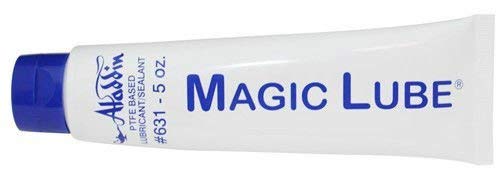
Aladdin Magic Lube 5oz Teflon Pool O-Ring Lubricant

Breliter Inflatable Patch Repair Kit, 10 Packs

Breliter Waterproof TPU Repair Tape, 4in x 6.6ft

AQUABOND Underwater Pool Light Potting Kit
More Details On Our Top Picks
This gray putty-style epoxy is the kind of product that earns its spot in a backyard maintenance drawer. A two-part stick you knead by hand, it bonds to wet surfaces without needing the pool drained, which is a small miracle when the leak is in three feet of water. The 50ml (1.7 oz) kit is sized for spot fixes, not full resurfacing, so think cracks in concrete steps, small voids around a return fitting, or a chip in a fiberglass spa shell.
Compared with the patch tapes further down this list, epoxy offers a rigid, structural bond that won’t flex as the pool expands and contracts. For most homeowners tackling hairline cracks, the gray tone blends reasonably well with older plaster and concrete surfaces.
What Pays Off
- Cures underwater, eliminating the chore of draining thousands of gallons.
- Adheres to concrete, fiberglass, and PVC, covering the three most common pool shell materials.
- Forms a hard, sandable finish that can be painted over once fully cured.
- The 1.7 oz size is manageable for a one-time fix without a lot of waste.
Worth Noting
- Working time is short once the two parts are mixed, so you have to be ready to apply immediately.
- Mixing by hand on a wet surface can be tricky the first time. Dry hands and a clean mixing surface help.
Key Specs
Who It Suits Best
Homeowners dealing with one or two visible cracks in concrete, gunite, or fiberglass who want a structural fix without calling a pool tech.
A Better Fit Elsewhere
For thin vinyl tears or floating inflatables, the Breliter TPU patch kit is a more forgiving choice.
Half of all “pool leaks” turn out to be a dry, cracked O-ring on a pump lid or filter union. LubeTube is a synthetic, non-sticky grease designed exactly for that job. The 4oz tube is sized for a season or two of seasonal tune-ups on a typical residential setup, and the formula is food-grade, so it plays nicely with potable water lines and RV plumbing too.
Where the AQUABOND epoxy is about patching a hard surface, this grease is about preventing a leak in the first place. A thin coat on every O-ring during spring opening often eliminates the slow drip that looks like a shell crack but is really just a dried seal.
Features That Help
- Synthetic base stays put without turning gummy, which standard petroleum jellies can do over time.
- Safe for use on drinking water components and pool plumbing alike.
- The 4oz tube has enough volume to service multiple pieces of equipment across a season.
Trade Offs
- It’s a maintenance product, not a repair, so it won’t seal a cracked shell or a torn liner.
- Over-applying can attract grit around the seal, so a thin film is the goal.
Made For
Anyone opening or closing a pool each season who wants a reliable grease to keep pump and filter seals pliable.
Consider Something Else When
For multiport valve gaskets that see heavier friction, the Aladdin Magic Lube is a stronger Teflon-based alternative.
The white sibling of the AQUABOND kit exists for one main reason: visibility matters on light-colored surfaces. On a white fiberglass spa wall or a pale PVC fitting, gray epoxy stands out and looks like a patch job forever. The white version blends in, which matters if the repair sits at eye level on a tanning ledge or spillover.
Mechanically, the formula matches the gray kit, so expect the same underwater cure, the same compatibility with concrete, fiberglass, and PVC, and the same 50ml working quantity. It’s a heavy-duty option in the sense that the bond is structural, not superficial, but the kit is still sized for a spot repair rather than a full rebar job.
What It Does Well
- White color blends with light plaster, fiberglass, and many PVC fittings.
- Same underwater cure as the gray kit, no draining required.
- Holds up to pool chemistry once fully cured, including chlorinated water.
- Two-part putty format needs no extra tools beyond gloved hands.
- Effective on cracks, gouges, and small holes in rigid shells.
Minor Gripes
- White can yellow slightly after long UV exposure on the waterline.
- Working time is short, so plan the patch before you crack the seal.
- Not a substitute for resurfacing large problem areas.
Right Fit For
Owners of white fiberglass pools, vinyl-over-fiberglass steps, or light-colored spas who want the patch to disappear visually.
Look Elsewhere When
For O-ring drips on a pump lid, the LubeTube grease is a more appropriate tool than any epoxy.
Aladdin Magic Lube is the name that shows up on technician vans for a reason. The formula is built around PTFE, the same slippery compound known by the Teflon brand, and it stays soft and chemically stable across a wide temperature range. The 5oz tub is a working quantity, not a one-shot tube, and the included applicator brush makes it easy to lay down a thin coat on multiport valve gaskets and larger O-rings.
Where LubeTube is a general synthetic grease, Magic Lube leans into heavier-duty sealing. For equipment that cycles between hot sun and cool water, or for unions that get removed and reinstalled every season, the PTFE base tends to outlast standard silicone grease.
Strengths Worth Knowing
- PTFE-based formula handles heat and cold without breaking down.
- 5oz tub is economical for households with multiple pieces of pool equipment.
- Safe for use on most rubber and synthetic seal materials.
Points To Keep In Mind
- A tub format means a bit more setup than a squeeze tube.
- PTFE grease is overkill for a single seasonal tune-up on a small setup.
Who Should Grab It
Pool owners with multiport valves, heaters, or salt cell unions who want a long-lasting seal during seasonal service.
Reach For A Different Pick When
For a quick lid-O-ring touch-up on a small filter, the LubeTube squeeze tube is simpler to stash by the pump.
Pre-cut 2.5-inch TPU squares take the guesswork out of patching vinyl. Ten patches in a kit means you can fix a float today and still have spares for the air mattress, bounce house, or pool noodle that’s destined to spring a leak next summer. The TPU material flexes with the surface, which is the right behavior for inflatable vinyl.
The trade-off versus a rigid epoxy patch is intentional. TPU bends with the substrate, so the patch won’t crack as the material flexes, but it’s a surface seal, not a structural one. For a rigid shell crack, the AQUABOND epoxy still wins.
Benefits That Matter
- Ten pre-cut squares mean no measuring, no cutting, and no waste from a roll.
- TPU handles flex and UV without delaminating.
- Beginner-friendly application with no mixing or cure window to watch.
- Waterproof, so the patch holds up on a constantly wet surface.
- Multi-purpose across inflatables, vinyl liners, and pool toys.
Small Caveats
- Patches work best on clean, dry surfaces, so deflating and drying the area is part of the prep.
- 2.5-inch squares may be small for a long seam repair.
Perfect Match For
Casual pool owners with vinyl floats, inflatable rings, and air mattresses who want a no-tool fix on hand.
Skip It When
For long cracks along a vinyl pool liner, the Breliter tape roll covers the seam more efficiently than overlapping squares.
The roll version of the Breliter patch line solves the problem the squares can’t: long seams. A 4-inch-wide, 6.6-foot roll is sized for a tear along a vinyl pool liner, the seam of a large bounce house, or a long slit in an inflatable. You cut to length, peel, and stick.
Same TPU chemistry as the square kit, so expect the same waterproof, weather-resistant, and UV-tolerant behavior. The big difference is coverage. Where ten squares patch pinholes and punctures, a roll handles damage that runs in a line.
Practical Advantages
- 6.6-foot roll covers long tears that squares would only bridge awkwardly.
- 4-inch width bridges a wider damaged area for a stronger seal.
- Same TPU base, so it flexes with the substrate rather than cracking.
Practical Considerations
- Surface prep still matters: clean and dry the area for full adhesion.
- Roll format means you’ll cut to size, so a sharp pair of scissors is helpful.
Best Suited To
Households with vinyl pool liners or large inflatables where a tear runs more than a couple of inches across.
Another Choice May Suit
For one-off pinholes in a pool float, the Breliter pre-cut square kit is faster to grab from a drawer.
Pool light niches are an underappreciated source of leaks. Water seeps past a failed potting compound, fills the conduit, and shows up as a slowly dropping waterline. This AQUABOND kit is a specialty epoxy formulated for exactly that scenario, sealing the back end of a pool light fixture where the cord enters the niche.
The 1.7 oz size is a deliberate match for one light fixture. It’s not a general-purpose patch, and treating it like one would be a mistake. Use it for the niche potting job it’s designed for, and it tends to behave predictably for the long term.
Practical Pluses
- Formulated specifically for pool light niches, where general epoxy can fail over time.
- 1.7 oz kit is pre-portioned for a single fixture repott.
- Bonds to wet surfaces, so the light doesn’t have to be fully dried to do the repair.
Worth Bearing In Mind
- Working around electrical connections calls for caution and a power-off pool breaker.
- Not a substitute for the structural crack repairs that the gray or white AQUABOND kits handle.
Whose Shelf It Belongs On
Homeowners with older pool light fixtures who have noticed water inside the light housing or a slow leak around the niche.
Swap It Out When
For a hairline crack in the pool shell, the AQUABOND gray or white repair kit is the right product instead.
What Matters Most Before Choosing a Pool Leak Fix
Match the product to the failure mode first, then worry about quantity. Epoxy putty handles rigid shells like concrete, gunite, and fiberglass, while TPU patches and tape are built for flexible vinyl. Greases and lubricants address seal leaks on pumps, filters, and valves, which are a different category of problem entirely. Mixing them up usually means a second purchase.
Surface preparation does most of the work. Even the strongest epoxy needs a clean, scuffed, and dry or fully wet bonding surface depending on the formula. TPU patches need a wiped-down area free of sunscreen residue and pool oils. Skipping this step is the most common reason a “guaranteed” patch falls off in a week.
Pool chemistry and water temperature affect cure time and longevity. Chlorine, salt, and balanced pH are generally fine for cured products, but the first 24 to 48 hours of cure is the vulnerable window. Plan repairs when the pump can run normally and the water isn’t about to be shocked.
Consider whether the leak is structural or mechanical before buying. Structural means the shell or a rigid component is compromised. Mechanical means a seal, gasket, or O-ring has failed. The repair approach, and the product, are completely different. A bucket test can usually tell you which side of that line you’re on.
Key Considerations Across These Picks
Wrong Turns To Avoid
Reaching for a vinyl patch on a concrete crack is the classic mismatch, and it usually ends with the patch peeling off in a few days. Conversely, slathering rigid epoxy on a flexible vinyl liner creates a hard spot that cracks as the liner flexes, which can make the leak worse than the original puncture. The cheap move is to grab whatever’s on the shelf; the smarter move is to identify the surface first.
Another common slip is treating a pump drip as a shell leak. Dyes, food coloring, and the bucket test exist because pumps, filters, and heaters all have seals that fail predictably. A small tube of O-ring grease often solves a problem that looks like a much bigger one.
When Paying More Pays Off
The price spread in this category is small, but the difference between a general-purpose silicone grease and a PTFE-based product like Aladdin Magic Lube shows up in long-term seal life, especially on multiport valves that get cycled often. Similarly, an epoxy engineered for a specific job, like the AQUABOND potting kit for light niches, tends to outlast a general epoxy that happens to bond to the same surface. The upgrade pays off when the failure mode is recurring rather than one-off.
Frequently Asked Questions
Can I really apply pool epoxy underwater? Yes, two-part underwater putties like the AQUABOND kits are formulated to displace water at the bond site and cure fully submerged. Work time is short, so have the area scuffed and ready before you start mixing.
How do I tell if the leak is in the shell or in the equipment? The bucket test is the most reliable at-home check. Fill a bucket with pool water, set it on a step so the water level inside the bucket matches the pool, and mark both levels. After 24 hours, if the pool drops more than the bucket, the leak is in the shell. If both drop at the same rate, the leak is likely in the plumbing or equipment.
Are TPU patches safe for vinyl pool liners? TPU bonds well to most vinyl and is waterproof and UV-tolerant. The key is surface prep. Clean the area with a mild alcohol wipe, let it dry, then apply the patch firmly with no air bubbles underneath.
How often should pump and filter O-rings be greased? Once per season is a reasonable baseline for most residential setups. Every time you open or close the equipment, wipe the O-ring clean, inspect it for cracks, and apply a thin film of silicone or PTFE-based grease before reassembly.
Is it safe to repair a pool light niche myself? The bonding work itself is straightforward, but the job involves electrical connections at the back of a wet niche. Power off the pool light breaker at the panel before starting, and follow the light fixture’s service instructions carefully. When in doubt, a licensed electrician is the safer call.
Closing Remarks
Pool leaks feel urgent because the water keeps moving, but most of the time the fix is a specific, well-understood repair with a product that already exists. Identify the surface, the failure mode, and the right category of product, and the rest is just clean prep and a careful hand. Keep one of these items in the garage and the next slow leak becomes a Saturday project instead of a service call.


