

A slow drop in water level is one of the most frustrating things a pool owner can watch. Before a service van rolls up, a good DIY approach usually starts with one question: where is the water actually going? The right tools answer that question fast, sometimes in minutes, and they pay for themselves the first time you avoid a wild-goose-chase repair bill.
This lineup pairs leak detection dyes (the classic pinpointing method) with underwater-cure epoxy putties for the actual patch. Together they cover the two most common homeowner scenarios: finding the leak, and sealing it without draining thousands of gallons of water.
The Picks In Brief
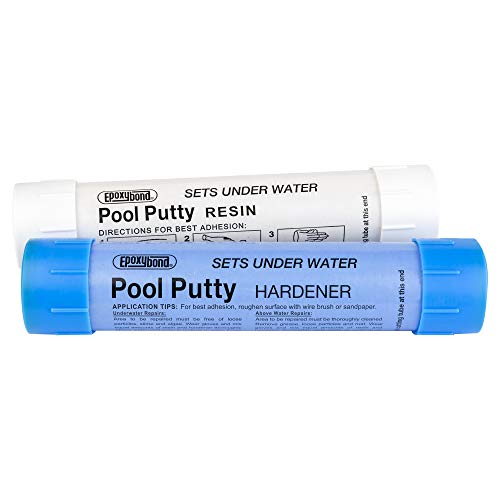
Atlas Minerals Pool & Spa Repair Putty 2-Part Set
Tiepetly 2-Part Epoxy Pool Putty 17.6oz
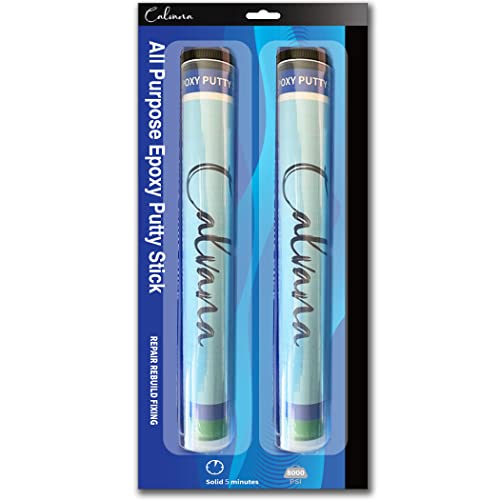
Calvana Underwater Pool Putty Epoxy 2-Part 8oz

Enhon Pool Leak Detection Dye Kit Blue 8oz
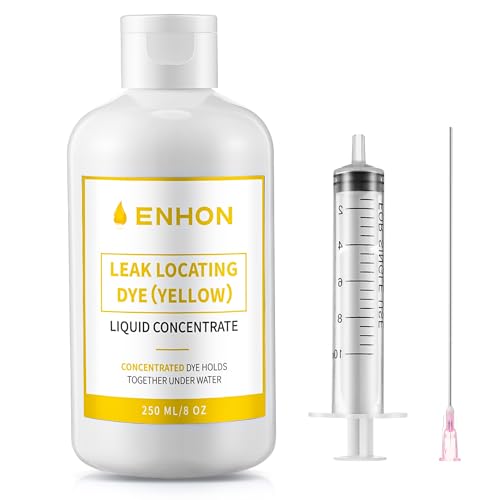
Enhon Pool Leak Detection Dye Kit Yellow 8oz

Enhon Pool Leak Locator Dye Kit Green 8oz

Atlas Pool Putty Epoxy Leak Sealer Kit 14oz
Leak Oracle Fluorescent Yellow UV Pool Dye 8oz

Escentile Pool Leak Detection Dye Kit

Leakmaster Pool Dye Leak Detection Kit Yellow
Meet The Standout Selections
The Atlas Minerals two-part putty has been a fixture on pool shelves for a reason, and it lands at the top of this list because the workflow is genuinely forgiving. You knead equal portions together, press the mixed putty into a crack or hole, and it hardens even with the water still in the pool. No draining, no mixing cups, no special tools.
For a homeowner dealing with a hairline crack near a return jet or a chip along the waterline tile, this is the path of least resistance. It’s a fix-it-once-and-stop-watching-the-water-level situation, assuming the crack isn’t growing because of structural movement.
A Favorable Mix
- Cures underwater, so you skip the cost and hassle of draining a pool.
- Compatible with concrete, fiberglass, and many other common pool surfaces.
- Hand-moldable texture means no precision mixing tools required.
- Hardens without shrinking or sagging, so the patch holds its shape over time.
Things To Consider
- Working time is short, so you want the patch area prepped before you start mixing.
- Best for localized cracks rather than long, branching fractures.
Who It Suits Best
First-time DIYers with a small, visible crack who want a forgiving underwater patch without draining the pool.
Where Another Pick Suits Better
If you want built-in video walkthroughs, the Atlas Pool Putty Epoxy Leak Sealer Kit with instructional videos is a friendlier learning curve.
Where the Atlas set keeps things small, the Tiepetly 2-Part Epoxy Putty leans into volume at 17.6 ounces, which is genuinely useful when you have more than one trouble spot to address. The resin and hardener formula is built for high-strength adhesion and a hard finished surface.
Think of it as the same underwater-cure idea as Item 1, but with enough material in the tub to chase multiple cracks in a single session. For a pool that’s been neglected for a season or two, that extra capacity matters.
What Makes Sense
- Larger 17.6oz size covers multiple patches without reordering.
- Epoxy-based formula delivers a rigid, durable finished bond.
- Works underwater and above the waterline on tile, concrete, fiberglass, and cement.
Trade Offs
- Once mixed, you work against the clock, so plan the patches in advance.
- Storing leftover mixed putty isn’t an option, so open only what you’ll use.
Key Specs
Made For
Homeowners with several visible cracks to address in one go, especially on older plaster and fiberglass shells.
Consider Something Else When
If your fix is one tiny chip, the smaller Calvana 8oz quick-set sticks waste less material.
Calvana’s take on pool putty comes as two 4-ounce sticks, which is a friendlier format when the repair sits in a tight spot you can barely reach. Quick-set epoxy putty means the working time is short, but the patch cures faster, so the area is back in service sooner.
For a spa or a small hot tub where every hour of downtime matters, that quicker cure is a real perk. The stick form also makes it easier to control how much you mix per repair.
Good Reasons To Consider
- Stick form factor simplifies measuring and mixing in tight spots.
- Rapid cure time reduces pool or spa downtime.
- Bonds to fiberglass, concrete, and similar pool surfaces.
Honest Caveats
- Shorter working window means mistakes are harder to correct.
- Only 8 ounces total, so a large repair may need more than one kit.
- Quick-cure formulas can be less forgiving in very cold water.
Best Suited To
Spa and hot tub owners who want a fast patch and don’t mind a shorter working time.
Look Elsewhere When
If you have several cracks scattered around the pool, the Tiepetly 17.6oz kit is a more efficient single purchase.
Once you’ve stopped the water loss with a putty, the question becomes how you found the leak in the first place. Leak detection dye is the long-standing answer: a small amount of dense dye released near a suspected crack gets pulled toward the leak by the escaping water, showing you exactly where the flow is. The Enhon blue dye is a high-saturation formula with precision applicators for tight spots.
On a light-colored plaster or white vinyl liner, the blue trace shows up clearly. The applicator tips let you work around skimmer throats, return fittings, and light niches without dumping a cloud of dye into the pool.
A Few Highlights
- High-saturation blue holds together as a stream instead of dispersing.
- Precision applicators reach skimmer and return edges cleanly.
- 8oz bottle supports 40+ refill uses for repeat testing.
- Visible in low-light indoor pool conditions.
Points To Note
- Blue is harder to read against dark pebble or black vinyl finishes.
- Requires a calm pool surface, so shut off the pump and wait before testing.
- Stores best away from direct sunlight to preserve the concentrated formula.
Quick Facts
Who Will Love This
Pool owners with a light-colored interior surface who want a reliable classic dye for pinpointing structural leaks.
Skip It When
If your pool finish is dark, the Enhon green dye or Leak Oracle fluorescent yellow shows up far more clearly.
Yellow dye plays a different role than blue. On a tan, beige, or pebble interior, yellow stands out where blue can wash into the background. The Enhon yellow version uses the same high-saturation formula as the blue bottle, so the stream holds together instead of diffusing into a vague cloud.
For a first-time leak hunt, yellow is often the more forgiving color because it reads well on most mid-tone pool surfaces, and that’s a useful safety net when you don’t know exactly what you’re looking for.
Key Advantages
- Vivid yellow reads clearly on beige, tan, and mid-tone surfaces.
- Same long-lasting 8oz formula rated for 40+ refills.
- Precision applicators make targeted tests easy to control.
Where It Is Less Suited
- Less effective on bright white finishes where blue has stronger contrast.
- Hard to see against yellow-toned pebble interiors in bright sun.
Perfect Match For
DIYers with a tan or beige pool interior who want maximum visibility while still learning the dye technique.
Not Your Match When
For a pure white vinyl liner, the Enhon blue dye shows the flow path more clearly.
Green dye finishes out the Enhon color trio, and it earns its spot because green simply doesn’t appear naturally in pool water. That makes a green trace unusually easy to follow, even when the surrounding surface is dark or busy.
On dark pebble, black vinyl, or shadow-heavy deep ends, a green stream is a stark visual cue. It also handles a wide range of light conditions without losing the thread, which helps when the pool is partly shaded.
Benefits That Matter
- High contrast on both light and dark pool surfaces.
- Long-lasting formula good for 40+ refill tests.
- Same precision applicator system as the other Enhon colors.
Practical Considerations
- Green can be visually similar to algae for a brief moment after application.
- Test in still water, otherwise the current smears the dye trail.
Feature Snapshot
Who Should Grab It
Owners of dark-finished pools, black vinyl liners, or pebble interiors where blue and yellow lose contrast.
Reach For A Different Pick When
For UV-reactive visibility in low light, the Leak Oracle fluorescent dye is the more specialized tool.
The Atlas Epoxybond kit is the same hand-moldable, underwater-cure putty as Item 1, scaled up to a 14-ounce total, and the kit adds the missing piece most DIYers complain about: clear instructions. The included video walkthroughs walk you through mixing, surface prep, and application timing.
If you’ve never patched a pool before, that visual coaching removes a lot of the guesswork. The white-cured color also blends into most light plaster finishes better than a darker putty would.
Well-Handled Touches
- Includes instructional videos to walk first-timers through the repair.
- White cured color blends into most light plaster surfaces.
- 14oz size handles larger cracks or multiple smaller ones.
- Cured patch can be sanded, drilled, or painted to match the surroundings.
Some Limits To Know
- Still has the same short working time as other epoxy putties.
- White color stands out against dark pebble or black vinyl finishes.
Built With In Mind
Visual learners tackling their first pool patch who want both the material and the coaching in one kit.
A Better Fit Elsewhere
If you already know how to mix and apply epoxy putty, the smaller Atlas 2-Part Set in Item 1 is a leaner choice.
Leak Oracle takes dye testing a step further with a fluorescent yellow formula that reacts under UV light. In direct sunlight the color is already vivid, but in shaded areas, indoor pools, or evening testing, a UV flashlight makes the trace glow.
That UV reactivity solves a real problem: standard dye can be hard to follow in low light. The included precision applicator keeps the dye stream tight, so the trace stays a stream rather than a cloud.
What Works In Its Favor
- UV-reactive formula improves visibility in shaded or low-light conditions.
- Fluorescent yellow shows clearly on both light and dark surfaces.
- Concentrated dye holds together underwater for accurate tracing.
- Long-lasting 8oz bottle handles many separate tests.
Potential Compromises
- Best results require a UV light, which is usually sold separately.
- Fluorescent appearance can look different from classic dye, so first-timers may need a moment to interpret the trail.
Feature Snapshot
The Right Fit
Pool owners testing in shaded areas, indoor pools, or evening hours where standard dye fades into the background.
Swap It Out When
For broad daylight testing on a light surface, the standard Enhon blue kit gets the job done without the UV accessory.
Escentile’s kit advertises 75+ tests per order, which puts it at the high end for refill volume. The four included applicators let multiple people test simultaneously around the pool, which is genuinely useful when you’re chasing a leak that may be moving or hiding.
The high-contrast formula works on both light and dark surfaces, so it covers a wider range of pool finishes than a single-color kit. For a persistent mystery leak, that kind of flexibility is what keeps the test going.
Everyday Advantages
- 75+ test capacity per kit for stubborn or multi-zone leaks.
- Four applicators make it easier to test several spots at once.
- High-contrast formula visible on light and dark pool surfaces.
Factors To Consider
- Larger kit is more than needed for a quick single-spot fix.
- Multiple applicators can clutter the test area in a small spa.
Whose Shelf It Belongs On
Homeowners with a stubborn, hard-to-find leak who expect to run many tests before pinning it down.
Another Choice May Suit
For a single one-shot repair, the simpler Leakmaster syringe kit in Item 10 is leaner and faster to use.
The Leakmaster kit leans on a syringe-style applicator with a 6-inch needle, which is the most precise delivery method on this list. That needle reaches into skimmer mouths, return fittings, and the tight gap between the tile line and coping without creating the ripples that scatter standard dye.
For a leak you suspect is at a specific fitting, that precision is the difference between guessing and knowing. The 8oz refill bottle supports roughly 40 refills of the syringe, so the kit keeps paying off across many future tests.
Useful Highlights
- 6-inch precision needle reaches skimmer and return areas cleanly.
- Fluorescent yellow dye holds together underwater for accurate tracing.
- 8oz refill bottle supports around 40 syringe refills.
Less Ideal Details
- Syringe form takes a moment to learn for anyone used to squeeze bottles.
- Single-color yellow can blend into certain beige finishes on bright days.
Technical Highlights
Right Fit For
Pool owners who suspect the leak is at a skimmer, return jet, or light niche and want surgical precision.
Where A Sibling Pick Shines
For wider-area scanning where the leak could be anywhere along a wall, the Enhon color trio covers more ground per test.
Choosing Repair Tools That Actually Solve the Problem
Picking the right swimming pool leak specialist gear really comes down to matching the tool to the diagnosis stage. Before any patch, you need to find the leak. Dye-based kits answer that question in minutes, while epoxy putties answer the follow-up: how do you seal it without draining the pool?
Start with the surface color. Light plaster, white vinyl, and pale pebble read best against blue or yellow dye. Dark pebble, black vinyl, and shadow-heavy deep ends need green or UV-reactive formulas to keep the trace visible. The dye color you pick is often the difference between a clear test and a frustrating one.
Next, match the putty size to the repair scope. A single hairline crack calls for a small 8oz kit, while several visible defects or a larger damaged area justify a heavier 14 to 17.6 ounce tub. Two-part epoxy putties cure underwater, which is what makes them usable without draining thousands of gallons.
Working time matters more than most shoppers expect. Quick-set formulas finish faster but leave less room for error. Slower putties give you more time to shape and smooth, which helps if the patch sits in a visible spot. A calm, still surface is essential during dye tests; even small currents will smear the trace and obscure the leak.
Finally, consider the support material. Kits with instructional videos shorten the learning curve for first-timers. Applicator style changes the testing feel: squeeze bottles work for broad scanning, while needle syringes shine when the suspected leak sits in a tight fitting.
Key Considerations Across These Picks
Pitfalls Shoppers Hit
The most common slip up is buying a putty before confirming the leak location, then patching the wrong area entirely. Run a dye test first, even a quick one, so the repair actually lines up with the problem. Another frequent miss is choosing a dye color that blends into the pool finish, which makes a perfectly good test kit look like it doesn’t work.
What The Higher Tier Buys
Bigger putty kits cost more because they include more material, not a fundamentally different formula. The trade-off is real: a 17.6oz tub is wasteful for a single chip, but cheap per repair when you have several spots to handle. Kits with video walkthroughs and UV-reactive dyes cost more because the support and chemistry are added on top of the basics. For first-timers, that extra support is often the better buy.
Frequently Asked Questions
How do I know my pool is actually leaking?
A simple bucket test, where you set a water-filled bucket on the pool step and compare evaporation rates over 24 to 48 hours, is the standard starting point. If the pool loses more water than the bucket, a leak is likely.
Can I really patch a pool without draining it?
Yes, two-part underwater-cure epoxy putties are formulated to bond to wet surfaces. Surface prep still matters, but draining isn’t part of the workflow.
Which dye color is best?
It depends on the pool surface. Light finishes read best with blue, mid-tone surfaces work well with yellow or green, and shaded or low-light pools benefit from UV-reactive fluorescent formulas.
How much putty do I need for one repair?
A typical hairline crack uses only a small marble-sized amount of mixed putty. For a single repair, an 8oz kit is usually plenty. Larger or multiple repairs call for a 14 to 17.6 ounce tub.
Are these kits reusable after opening?
The dye in a sealed bottle lasts across many refill uses, but the putty begins to cure once the two parts are mixed. Only mix what you’ll apply in that session.
Wrap Up
A slow water loss doesn’t have to mean a service call. With a dye kit in hand and an underwater-cure putty on the shelf, most homeowners can find and seal a typical pool leak in an afternoon. Pick the color that matches the surface, match the putty size to the scope of the repair, and you’ve got a real chance of closing this one out on your own.


