

White calcium haze creeping up your waterline is more than a cosmetic nuisance; it tells you your water balance is off and your tile is taking the hit. The right pool tile scale remover binds dissolved minerals before they harden onto glass, ceramic, and stone, sparing you the slow damage that comes from scraping and acid washing. This roundup walks through ten liquid treatments that target carbonate scale, metal staining, and salt cell buildup, so you can match the right formula to your pool type, your water source, and how much maintenance you actually want to handle.
The Essentials At A Glance

Bio-Dex Salt Protect (1 qt) 2-Pack

Hot Tub Things Stain & Scale Control 32 oz
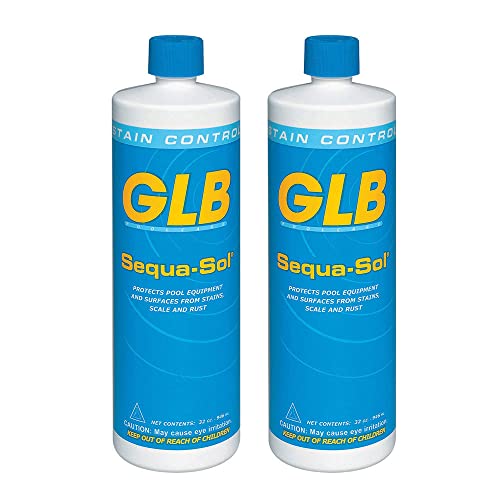
GLB Sequa Sol 1-Quart 2-Pack

Orenda SC-1000 Scale & Metal Control Quart

Bluewater Chemgroup Spa Scale Remover Quart

Orenda SC-1000 Scale Control 1 Gallon 2-Pack
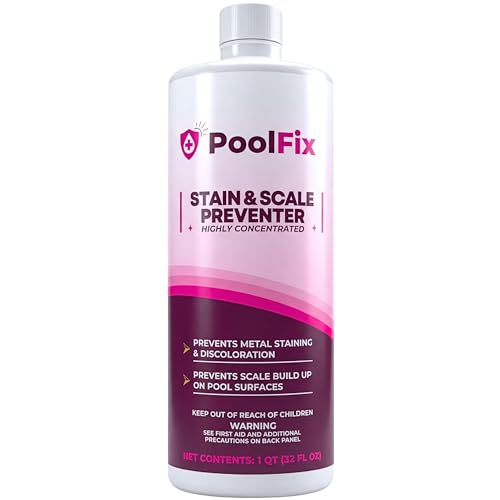
PoolFix Stain & Scale Preventer 1 Quart

EASYCARE Beautec Ultimate Calcium Preventative 32 oz
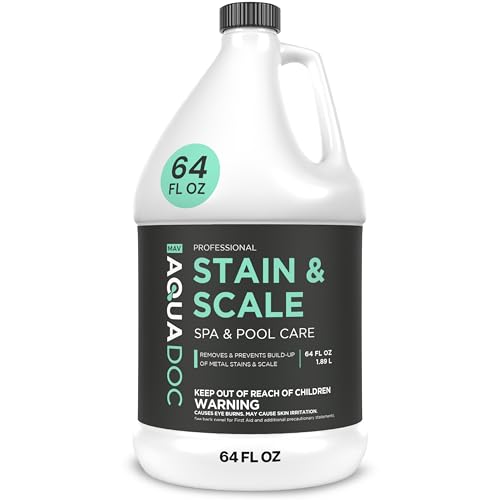
AquaDoc Pool & Spa Stain and Scale Remover 64 oz

Bio-Dex Protect-All Supreme 1 Gallon
The Strengths Of Each Pick
Saltwater pool owners deal with a stubborn kind of scale that clings to the metal cell inside the salt chlorine generator, slowly choking output. Bio-Dex Salt Protect is built for exactly that problem, working as a maintenance dose rather than a one-time rescue pour.
It also helps dissolve organic staining on tile and below the waterline, so you get cell protection and surface help in the same jug. A twice-a-season routine is usually enough to keep the white crust at bay.
Real-World Strengths
- Softens existing scale on the salt cell so it rinses free instead of needing an acid bath
- Removes many organic stains that show up as brown or pink smudges on tile
- Two-pack format gives you a full season of doses without reordering
- Plays nicely with most common pool sanitizers, so you rarely have to rebalance
Things To Consider
- Best suited to saltwater systems, so chlorinated-only pools may not see the full payoff
- You will still want a regular water test since it targets scale, not pH drift
Made For
Saltwater pool owners who want a low-effort, routine dose that keeps the salt cell scale-free and the tile line clear.
Look Elsewhere When
You run a traditional chlorinated pool with no salt cell, in which case GLB Sequa Sol offers a more universal mineral-binding approach.
Hot tubs and small spas are scale magnets because of high water temperatures, low water volume, and frequent refills. Hot Tub Things Stain & Scale Control is sized for that reality, treating roughly 250 to 500 gallons with a single bottle.
It chelates (binds and suspends) the dissolved metals like iron, copper, and manganese that turn spa shells and jets an ugly tea color, and it also helps prevent carbonate scale on heaters, a common reason a small spa starts running hot then cold.
The Case For It
- Targets the metal staining that shows up first in small bodies of water
- Protects the heater element from the crusty buildup that kills efficiency
- Bottle size matches a typical spa, so you are not storing half-used jugs
Worth Noting
- Not a descaler for thick existing scale, so heavy buildup will need a separate acid step first
- Mostly built for prevention, so already-stained shells may need a dedicated stain remover first
Right Fit For
Spa and hot tub owners who want to stop scale and metal staining before it shows up on the acrylic shell or inside the plumbing.
A Better Fit Elsewhere
Anyone with a full-size pool needing broad surface coverage should consider the larger Bio-Dex Protect-All Supreme 1 Gallon instead.
When your fill water is loaded with iron or copper, stains can appear within days of a refill, and even the most careful chlorine schedule will not stop the discoloration. GLB Sequa Sol is a sequestering agent (a chemical that locks up dissolved metals so they cannot react) that grabs those minerals and holds them in suspension.
Because of that fast binding action, it is equally useful at pool opening, when you want to neutralize the metals in a fresh fill, and as a routine add during the season when stain blooms start to show.
A Favorable Mix
- Works at pool start-up, so you can pre-treat before the first shock dose
- Also helps with manganese and calcium alongside the usual iron and copper
- Two-pack gives steady supply through a full season of weekly maintenance
Room For Improvement
- Sequestrants break down over time, so heavy-metal water may need more frequent dosing than the label suggests
- Mostly a maintenance product, not a fix for crusty scale already cemented to tile
Best Suited To
Pool owners on well water or municipal supplies with high metal content who want fast mineral control from day one.
Consider Something Else When
Your main problem is thick calcium crust, in which case Bluewater Chemgroup Spa Scale Remover brings a more aggressive descaling action.
Fresh plaster is a magnet for scale in its first 28 days, when the surface is still curing and water chemistry is hardest to keep stable. Orenda SC-1000 is designed to be dosed right at startup, chelating metals and calcium before they can bond to the new finish.
It is a non-phosphorus formula, which matters in regions where phosphate restrictions apply or where owners want to avoid feeding algae later. Once the startup window passes, it transitions cleanly into a regular maintenance dose.
What Earns Its Place
- Plaster-safe during the delicate curing phase, so no etching or white hazing
- Phosphate-free, which keeps your phosphates from creeping into the swimming range
- Also dissolves carbonate scale, helping with the haze that shows up on tile as water warms
Honest Caveats
- Quart size suits small to mid pools, so larger pools may need the gallon 2-pack for cost-effective dosing
- Works best with consistent testing, since it does not replace pH and calcium hardness management
Perfect Match For
New pool owners, or anyone refinishing plaster, who want a startup-friendly chelant that protects the surface during the highest-risk window.
Reach For A Different Pick When
You mainly need ongoing routine scale prevention on an established pool, in which case PoolFix Stain & Scale Preventer offers similar chelation with broader everyday framing.
Hard water areas throw calcium at every surface, and spa shells take the worst of it. Bluewater Chemgroup Spa Scale Remover is built for the lime staining that turns white acrylic a chalky yellow and clogs jets with mineral paste.
It works on the equipment side too, loosening deposits on pumps and filters so flow stays strong and heaters do not overwork. A monthly dose in hard-water regions is usually enough to keep things under control.
Notable Upsides
- Targets the calcium and lime that other sequestrants sometimes leave behind
- Helps restore flow through clogged jets and heater elements
- Quart size suits a spa without leaving you with a half-full jug on the shelf
Points To Note
- Heavy existing scale may take more than one treatment to fully clear
- Mostly aimed at hard-water regions, so softer-water pools may see less benefit
Who Will Love This
Spa owners in hard water zones who keep seeing white crust on jets and shell walls, and want a treatment that targets calcium specifically.
Not Your Match When
You need broad metal control on a full-size pool, where GLB Sequa Sol brings stronger sequestering across more mineral types.
Same Orenda chelant chemistry as the quart, but here in a 1-gallon 2-pack sized for serious residential pools, commercial spas, or service routes. The phosphate-free formulation is the same, and the active is identical, so behavior matches the smaller bottle.
The real value is buying in volume. If you maintain a 20,000-gallon pool on a weekly or biweekly schedule, two gallons carry you comfortably through a season without reordering.
What Helps Most
- Same trusted chelant as the quart, with no chemistry change
- Volume format lowers the per-dose cost for high-use pools
- Phosphate-free, keeping your CYA (cyanuric acid, the chlorine stabilizer) and phosphate numbers from drifting up
Trade Offs
- Bulk packaging takes up shelf space in a small equipment room
- Heavy jugs are awkward to pour at full strength, so a measuring cup is helpful
Who Should Grab It
Owners of large pools, or pool service techs maintaining multiple accounts, who want the Orenda chelant in a cost-efficient size.
Swap It Out When
You have a small spa or under-10,000-gallon pool, in which case the Orenda quart keeps dosing simpler and avoids storing excess.
PoolFix markets the Stain & Scale Preventer as a universal formula that protects heaters, pumps, tile, and the salt cell from a single quart. For pool owners who do not want to juggle multiple specialty products, that broad coverage is the main draw.
The chemistry binds common metals, including iron, copper, and manganese, while also working against calcium scaling on tile and equipment surfaces. It is compatible with all the usual sanitizer choices, so switching between chlorine, salt, or mineral systems is not a problem.
Points In Its Favor
- Works on both stains and scale, so you do not need two separate jugs for typical problems
- Plays nicely with chlorine, salt, and mineral sanitizer systems
- Targets the salt cell, helping extend the life of the metal component
Small Caveats
- Newer product on the market, so long-term field reports are still building
- Quart size is fine for one pool, but may run short on a full season for very large bodies of water
The Right Fit
Pool owners with mixed equipment, including heaters, salt cells, and tile, who want one product that covers the most common scale and stain sources.
Where A Sibling Pick Shines
Anyone running a pure startup protocol on new plaster will find Orenda SC-1000 a more targeted fit for the curing phase.
A fresh fill is when calcium is at its most aggressive, since the new water has not yet been balanced by your other chemicals. EASYCARE Beautec Ultimate Calcium Preventative is positioned specifically for that first dose, plus ongoing calcium control for established pools.
It is also marketed as a salt cell protector, so saltwater pool owners can use it as a startup dose and continue through the season. The no-wait formula means you pour and swim, no extended downtime.
The Value In It
- Targets calcium specifically, which is the most common scale mineral in pool water
- Safe to swim right after dosing, so no closure time
- Doubles as salt cell protection for saltwater systems
Worth Bearing In Mind
- Smaller 32-ounce bottle is sized for a single treatment cycle on mid-size pools
- It is mostly a calcium-focused product, so metal staining may need a separate sequestrant
Built With In Mind
Pool owners with new fills, refinished surfaces, or saltwater systems who want a calcium-specific pour that fits the startup routine.
Skip It When
Your water has high iron or copper alongside calcium, since GLB Sequa Sol handles a wider range of metals in one dose.
AquaDoc’s Stain and Scale Remover handles the two problems in the same jug, calcium buildup and metal staining. The 64-ounce bottle is a step up from quart options, so it suits a mid-size pool for a full season or a small commercial spa on a maintenance schedule.
It works for both inground pool tile line haze and hot tub shell discoloration, so owners running both water features can simplify the chemical shelf. The same dose handles calcium, iron, copper, and rust staining without splitting into two products.
Noteworthy Benefits
- Tackles scale and stains in one formula, which simplifies your chemical routine
- Bottle size covers a full season on mid-size pools
- Works on inground pools and hot tubs with the same dosing approach
Practical Considerations
- Will not undo plaster damage that has already etched from chronic low pH, so catch problems early
- Newer AquaDoc label, so feedback specifically on this formula is still building compared to legacy brands
Whose Shelf It Belongs On
Pool and spa owners with both water features who want one product to handle calcium, metal stains, and rust in a single routine.
Another Choice May Suit
If you only maintain a saltwater system and want cell-specific protection, Bio-Dex Salt Protect is the more targeted match.
Bio-Dex Protect-All Supreme is the older sibling in the Bio-Dex line, designed for whole-pool scale and stain management rather than saltwater cell focus. A full gallon covers a long maintenance cycle, so it suits pool owners who like to pour big and forget about it for a few weeks.
It works on the same family of problems as the Bio-Dex Salt Protect, including organic stains, scale under the waterline, and hardness drift, but in a formula that does not assume you run a salt cell.
Where It Excels
- One-gallon size suits a full season of treatment on mid and large pools
- Helps balance pH and reduce water hardness alongside scale control
- Compatible with most filter types and sanitizer choices
Details To Watch
- Gallon jugs are heavy and awkward to measure without a dedicated dosing cup
- Less specialized for salt cells than its sister product, so saltwater owners may still want the Bio-Dex Salt Protect
Who It Suits Best
Owners of mid to large chlorine or mineral pools who want a season-long jug for routine scale and stain control.
Look Elsewhere When
You specifically need salt cell protection, where Bio-Dex Salt Protect is the same brand’s targeted choice.
What Matters Most Before Choosing Pool Tile Scale Removers
Start with your water source. Well water with high iron or copper calls for a strong sequestering agent like GLB Sequa Sol or Bio-Dex Salt Protect, while city water with high hardness needs a calcium-focused formula such as EASYCARE Beautec. Match the chemistry to the dominant mineral, not to the marketing on the front of the bottle.
Pool type matters just as much. Saltwater pools benefit from a product with explicit salt cell protection, since the metal component is the most expensive wear point. Traditional chlorinated pools can use a broader chelant like Orenda SC-1000 or PoolFix Stain & Scale Preventer. New plaster needs a startup-friendly, phosphate-free chelant that will not etch the curing surface.
Size and frequency shape the bottle choice. A 32-ounce bottle may be perfect for a single spa or a mid-size pool on a quick dose schedule, while a 1-gallon format suits large pools and service routes. For most residential pools, a quart every few weeks keeps scale from getting a foothold, especially during the hottest months when calcium drops out of solution faster.
Watch compatibility with your other chemicals. Some sequestrants interact poorly with high chlorine or copper-based algaecides, so check the label for guidance and dose away from shock treatments. A simple rule: pour scale and stain control into the deep end with the pump running, and let it circulate for at least an hour before adding other balancing chemicals.
Mistakes Worth Dodging and When Spending More Pays Off
Mistakes Worth Dodging
Treating scale without testing first is the most common slip. Without a baseline calcium hardness and pH reading, you may dose a chelant that simply masks the real problem, which is water that is too alkaline or too high in calcium. Test before you pour, then dose to match the numbers you see.
Another trap is waiting until the haze is visible on the tile. By that point, the carbonate has already bonded to the surface, and a maintenance dose will only stop new scale from forming. A small monthly pour through the season prevents the crust from showing up in the first place, saving you a more aggressive descaling session later.
When Paying More Pays Off
The jump from a quart to a 1-gallon format, or to a two-pack, looks like extra spending up front, but the per-dose cost drops noticeably. For anyone running a large pool on a weekly or biweekly maintenance schedule, that bulk math adds up over a single season.
Premium chelants like Orenda SC-1000 also earn their cost by being phosphate-free and plaster-safe, which protects a finish that costs thousands to resurface. If you have a new plaster pool, the higher upfront spend on a phosphate-free startup chelant is a small fraction of the resurfacing bill it helps you avoid.


