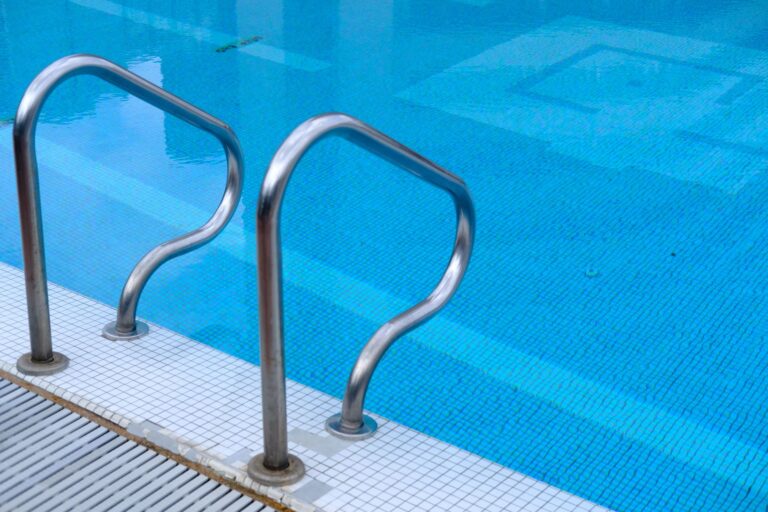
Maintaining pH, sanitizer, and circulation within target ranges keeps disinfectant active while reducing eye, skin, and airway irritation. Your water can look clear yet contain weak free chlorine, combined chlorine (chloramines), or poorly circulated areas near steps and benches. A sharp chemical odor is not a cleanliness signal.
Here, you’ll find practical readings, symptom clues, stop-swimming signs, and a correction order for home pool owners who want safer, more comfortable recreation.
Water Balance, Sanitation, and Circulation Have Separate Jobs
Clear blue water does not confirm healthy swimming conditions. Water balance covers pH, total alkalinity, calcium hardness, and cyanuric acid, which shape water stability, surface wear, and sanitizer performance. Your pool needs each reading in a workable range rather than a single attractive visual result.
Sanitation works through active free chlorine. Free chlorine controls many waterborne pathogens, while combined chlorine shows chlorine that has already reacted with swimmer waste. Your pool can appear spotless while sanitizer falls too low or circulation leaves quiet areas with less chemical contact.
| Pool function | Main readings or equipment | Effect on your swim |
|---|---|---|
| Water balance | pH, total alkalinity, calcium hardness, cyanuric acid | Shapes comfort, scaling, corrosion, and sanitizer performance. |
| Sanitation | Free chlorine and combined chlorine | Limits germ exposure and shows contaminant load. |
| Circulation | Pump, filter, returns, skimmers | Moves treated water through corners, steps, and shallow areas. |
| Comfort | All three systems working together | Reduces burning eyes, harsh odor, coughing, and dry skin. |
A backyard pool can pass a visual check after a sunny afternoon yet lose sanitizer during a crowded two-hour party. Your swimmers add sweat, sunscreen, body oils, and debris that consume chlorine. Proper chlorine levels lower illness risk, though chlorine does not remove every swimming-related hazard.
Core Readings Shape Comfort and Germ Control
That sanitizer loss starts with a small set of readings. Free chlorine controls many germs in shared water, and a pool without cyanuric acid needs at least 1 ppm under CDC guidance. Pools using cyanuric acid need at least 3 ppm free chlorine, though your local code and chemical label set the final target.
Your pH result affects both comfort and chlorine action. A pH range of 7.2 to 7.8 keeps water closer to the eye’s natural environment and leaves chlorine more active. Low pH can sting your eyes and skin while speeding equipment corrosion.
| Reading | Useful operating range or cue | Health connection |
|---|---|---|
| Free chlorine | At least 1 ppm, or 3 ppm with cyanuric acid | Too little residual raises recreational water illness risk. |
| pH | 7.2 to 7.8 | Low readings irritate; high readings weaken chlorine action. |
| Total alkalinity | Match the pool surface and chemical label range | Buffers pH swings that disrupt comfort and sanitation. |
| Cyanuric acid | Match the intended outdoor-pool range | Excess stabilizer slows chlorine action. |
| Calcium hardness | Match plaster, vinyl, fiberglass, or tile needs | Extreme readings damage equipment through scale or corrosion. |
Total alkalinity acts as a pH buffer. Low alkalinity lets pH swing after rain, fresh fill water, or heavy swimming. Your pH can move quickly even though the last strip result looked normal.
Calcium hardness does not directly burn your skin, yet scale can restrict water flow and corrosive water can damage parts needed for dependable sanitation. High pH can also cloud water and leave mineral deposits. Your results make more sense together than as isolated scores.
Excess cyanuric acid creates a different problem. Chlorine can still appear on your pool test kits, but it works more slowly in the water. That slower action can leave swimmers exposed during heavy use, especially in outdoor pools with repeated stabilizer additions.
Low Sanitizer, Chloramines, and Excess Dosing Cause Different Problems
Slow chlorine action changes the concern from discomfort to germ exposure. Low or ineffective free chlorine gives viruses, bacteria, and parasites more time to spread through shared water. Cryptosporidium deserves special attention because it has strong chlorine tolerance and can spread through diarrheal contamination.
Overcorrection creates a separate chemical irritation risk. A large chemical dose after a low reading can leave water harsh until the level returns to its intended range. Your eyes can burn from excess exposure even though the original problem involved weak sanitation.
| Condition | Likely clue | Primary concern |
|---|---|---|
| Low free chlorine | Residual will not hold through routine use | Greater exposure to recreational water illness. |
| Excess chemical dose | Immediate burning after chemical additions | Eye, skin, and airway irritation. |
| High combined chlorine | Sharp odor, red eyes, cough | Chloramine exposure and weak effective sanitation. |
| Poor circulation | Debris gathers in quiet corners | Uneven sanitizer contact in swimmer areas. |
Chloramines form after chlorine reacts with sweat, urine, body oils, and other bather waste. Combined chlorine measures that spent-chlorine burden. Your strong “chlorine” smell points toward chloramine buildup, not too much clean free chlorine.
Because irritation and illness can overlap, symptoms need context from both water readings and the surrounding air.
Leave the water rather than covering a harsh odor with fragrance or adding a random chemical dose. Strong odor plus burning eyes calls for a full water check, circulation review, and correction before another swim.
Symptoms Can Point to Chemistry, Air Quality, or Illness
Fast irritation points toward water chemistry or air quality
Burning that starts within minutes points more toward chemical irritation than infection. Red eyes, itchy skin, tight-feeling skin, and immediate stinging can follow low pH, chloramines, excess chemical exposure, or personal sensitivity. Your symptom alone cannot identify the exact cause.
Indoor pools need added caution because chloramines can collect above the water surface. Coughing, wheezing, throat scratchiness, and chest tightness can reflect respiratory irritation, poor ventilation, or both. Your household should take symptoms seriously where asthma or respiratory sensitivity is part of the picture.
Later illness needs medical attention when symptoms are severe
Diarrhea, stomach cramps, rash, ear pain, or illness after swimming can signal exposure to inadequately disinfected water, though symptoms overlap with non-pool causes. Write down the swim date, symptoms, water clarity, and recent readings. Your clinician can use those details during an evaluation.
Seek medical care for breathing trouble, severe symptoms, worsening rash, dehydration, eye pain, vision changes, or illness that continues. Your pool readings can document an exposure concern, but they do not replace medical care.
Stop-Swimming Signals Call for Immediate Action
Those symptom patterns make the swim-or-wait decision clearer. Cloudy water that hides the main drain is a stop signal because you cannot judge depth hazards or trust that circulation and filtration are keeping up. Your pool bottom should remain visible from the deck.
- Hidden main drain: Keep swimmers out until the bottom is visible from the deck and water clarity returns.
- Missing sanitizer residual: Pause swimming while free chlorine cannot stay in the intended range.
- Harsh chemical odor: Stop use where odor causes eye, throat, skin, or breathing discomfort.
- Active swimmer symptoms: End the session after burning eyes, rash, coughing, wheezing, or sudden skin discomfort.
- Diarrheal illness: Keep anyone with diarrhea out of the pool, even with normal chemistry readings.
- Fecal or vomit event: Close the pool and follow local public-health contamination procedures.
A routine chlorine dose and clear-looking water do not resolve a fecal or vomit incident. Contamination type, water volume, and chlorine concentration affect the wait before reopening. That approach aligns with the CDC Model Aquatic Health Code.
Diarrhea needs extra caution because balanced water cannot fully stop certain diarrheal germs from spreading. Your most protective choice is to postpone swimming until symptoms end and the pool completes the required contamination response.
A Measured Correction Sequence Limits New Problems
Start with readings that change the swim decision
Random chemical additions turn one imbalance into several competing problems. Use an in-date drop kit, digital meter, or reliable strip method to check free chlorine, combined chlorine, and pH before adding anything. Your result needs a full circulation period before it reflects the whole pool.
- Check active sanitizer: Record free chlorine and combined chlorine before chemical additions change the evidence.
- Check pH next: Correct an extreme pH result before chasing comfort complaints or weak chlorine action.
- Steady alkalinity: Adjust total alkalinity carefully to reduce repeated pH swings.
- Review stabilizer: Check cyanuric acid before adding more outdoor-pool chlorine products.
- Inspect the system: Confirm pump flow, filter condition, return movement, and visible debris removal.
- Retest after circulation: Make one measured adjustment, circulate fully, then check the water again.
Separate chemical work from swimming time
Never mix products together or add chemicals beside swimmers. Add each material according to its label, keep containers dry and separate, and give the pump time to distribute the correction. Your hands, lungs, and pool surface benefit from deliberate handling.
Debris is chemistry in disguise. Leaves, sunscreen, soil, and bather waste consume sanitizer, while a clogged filter weakens circulation. Your skimmer basket and filter condition affect whether treated water reaches every area of the pool.
Uneven treatment raises the stakes for swimmers who are more vulnerable to irritation or infection.
Children and Sensitive Swimmers Need Tighter Caution
A Saturday party changes water demand faster than a quiet weekday swim. Heat, sunscreen, ten children jumping in and out, and a two-hour bather load can consume chlorine quickly. Your check schedule should tighten during heavy use rather than waiting for cloudy water or odor.
Children swallow more water during play and can face stronger effects from diarrheal germs. People with asthma, respiratory sensitivity, eczema, or weakened immune systems also need more cautious choices around chloramines, chemical irritation, and weak sanitation.
Contact lenses can trap pool contaminants against the eye. Remove lenses before swimming where practical, then use prescription goggles for clear vision. Your eye infection risk rises when a lens stays against contaminated water.
Pause swimming after repeated out-of-range readings or repeated symptoms, even where the water looks clear. A qualified pool professional or local health authority can identify circulation, filter, or source-water problems that a basic kit will not show.
Swimming Decisions Depend on Readings and Swimmer Comfort
Comfort is the final check because swimmers feel conditions that numbers can miss. Before entry, confirm that water is clear, free chlorine and pH sit in the intended range, combined chlorine is controlled, and circulation is running. Your family should also be free of diarrhea.
- Visible bottom: Confirm that the main drain remains clear from the deck before anyone enters.
- Current readings: Check free chlorine, combined chlorine, and pH close to swim time.
- Working circulation: Look for return flow and remove leaves or debris from skimmers.
- Comfort check: Stop use after sharp odor, burning eyes, cough, wheeze, or itching.
- Healthy swimmers: Keep anyone with diarrhea away from shared water.
The swimming 80/20 rule concerns training intensity, not water quality. Flat stomachs reflect body composition and training, not sanitation. Petroleum jelly can reduce chafing in some spots, but it does not shield your skin from poorly managed chemistry or contaminated water.
Persistent odor, repeat chemistry failures, unexplained symptoms, or equipment trouble turn pool water balance and swimmer health from routine care into a reason to stop. Your next step is to keep swimmers out until the cause is corrected and readings return to their intended range.
What to Remember
Healthy pool use depends on a working chain: active sanitizer, stable pH, suitable alkalinity and stabilizer, moving water, clean filtration, and swimmer comfort. Your nose and eyes can spot trouble, but they cannot replace a chemical check. Clear water earns trust only after numbers, equipment, and swimmer experience agree.
FAQ
What does balanced pool water mean?
pH, total alkalinity, calcium hardness, and cyanuric acid should remain in ranges suited to the pool surface and chemical system. Your water also needs adequate free chlorine, controlled combined chlorine, and working circulation. Pool water balance and swimmer health depend on all of those conditions working together.
How can incorrect pH levels affect swimmers’ eyes, skin, lungs, and comfort?
Low pH can sting your eyes and skin, while high pH can weaken chlorine action and contribute to cloudy water. Lung discomfort is more closely tied to chloramines and poor ventilation than pH alone. Your pH reading still matters because it affects both comfort and sanitizer performance.
Can low chlorine or other sanitizer problems cause illness in swimmers?
Low or ineffective free chlorine raises exposure to waterborne pathogens, including viruses, bacteria, and parasites. Your risk rises where sanitizer cannot hold through use, circulation is weak, or diarrheal contamination enters the pool. Cryptosporidium needs added caution because it tolerates chlorine better than many germs.
What are chloramines, and why do they cause a strong chlorine smell and irritation?
Chloramines are byproducts formed after chlorine reacts with sweat, urine, body oils, and other contaminants. They can cause red eyes, coughing, throat irritation, and a harsh odor. Your combined chlorine result shows this burden, while the smell signals poor effective sanitation rather than extra-clean water.
Is it safe to swim in a pool with high chlorine, low chlorine, or unbalanced pH?
Swimming should wait where chlorine is too high or too low, pH is far outside the intended range, water is cloudy, or odor causes irritation. Your pool needs readings within its target range before use resumes. Chemical irritation and germ exposure are different risks, but both call for caution.
Which pool-water readings should homeowners test regularly?
Check free chlorine, combined chlorine, and pH before swimming during heavy use or after visible changes. Your routine should also include total alkalinity, cyanuric acid, and calcium hardness at intervals suited to your pool and chemical products. Pool test kits work best with fresh reagents and a full circulation period.