

Running a saltwater pool feels simple on the surface: toss salt in, let the chlorinator work, swim. The catch is that “salt” is not one-size-fits-all, and the wrong bag can leave your generator struggling, your water cloudy, or your cell coated in residue. Picking the right salt for a chlorinator matters more than most pool owners realize.
Purity, granule size, and whether the product actually suits a chlorine generator (versus a general water-softener bag) all affect how clean your water stays and how often you service the cell. The picks below cover the main jobs a saltwater pool needs: feeding the chlorinator, shocking the water, and stabilizing the chlorine it produces.
Your Options, Compared
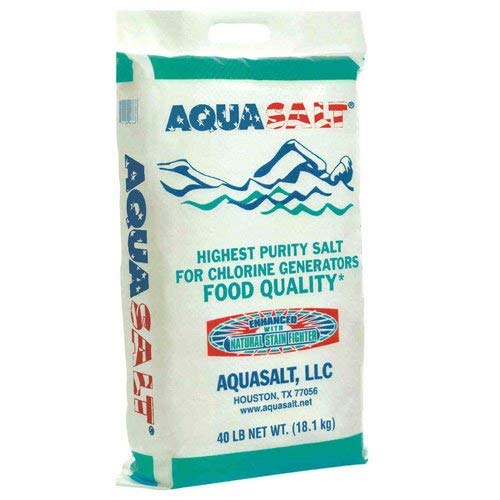
AQUASALT Swimming Pool and Spa Chlorine Generator Salt 40 lbs

AQUASALT Chlorine Generator Salt for Swimming Pools 2×40 Lb

HTH 52047 Swimming Pool Care Salt Shock 5x12oz

Clorox Pool and Spa Swimming Pool Chlorine Stabilizer 4LB
The Strengths Of Each Pick
This is the bag most saltwater pool owners reach for during a routine top-off. AQUASALT markets it specifically for chlorine generators, and the salt is produced to a certified USP-Grade standard (the same purity tier used in food-grade table salt), so you’re not dumping a water-softener pellet into your cell.
For a backyard pool that drifts a little low on salt over the swim season, a single 40-pound bag usually covers the gap without leaving you with a half-used second bag cluttering the shed. If you maintain a smaller above-ground pool, in our view this single-bag format is a sensible match.
Well-Handled Touches
- Produced to a certified USP-Grade purity standard, which helps reduce the mineral buildup that can shorten chlorinator cell life.
- Marketed for chlorine generators, so you skip the guesswork of whether a generic water-softener salt will play nicely with your cell.
- Granules are designed to dissolve when spread across the broadest area of the pool surface, speeding the dissolve rate.
- Single 40-pound format is manageable for one person to carry, pour, and brush in without help.
Worth Noting
- One 40-pound bag is on the light side for a fresh fill on a larger in-ground pool, so you may need more than one to reach the target salt level.
- Owners commonly report the need to brush undissolved piles gently across the floor until they fully disappear, which adds a small chore to the routine.
Who Will Love This
Pool owners with smaller backyard pools who just need to bring their salt level back to spec after a season of splash-out and backwashing.
Where Another Pick Suits Better
For new fills or large pools, the AQUASALT 2×40-pound bundle is the more realistic option, since one bag rarely covers the whole startup volume.
This is the same AQUASALT formula as the single-bag version, just doubled up for the moments when 40 pounds is not nearly enough. A fresh pool fill, a switch from a traditional chlorine system to a salt cell, or a pool that has been drained for service all demand a serious volume of salt up front.
Two 40-pound bags cover most residential in-ground startups without forcing a second order. Compared to the single-bag option above, the trade-off is weight and storage space, and you may find the extra bag a worthwhile trade if your pool routinely dips below 3,200 ppm.
Practical Pluses
- Same USP-Grade purity and chlorine-generator formulation as the single-bag pick, just in a heavier two-pack for high-volume situations.
- Two bags give you a head start on next season’s top-off without reordering, which is handy if you live in a region where shipping slowdowns hit in spring.
- You can split the second bag with a neighbor or a family member, lowering the per-bag effort if storage room is tight.
Trade Offs
- 80 pounds of salt is a real lift; the second bag often stays in the garage or shed until needed, so plan dry storage space before it shows up.
- For a small above-ground pool that only needs a few hundred ppm topped off, this much salt is overkill, and one bag from the first pick is a more honest fit.
Made For
Owners of mid-size to large in-ground saltwater pools who are opening a fresh fill or converting from a non-salt system.
Look Elsewhere When
For a routine seasonal top-off on a compact pool, the single-bag AQUASALT 40-pounder is the lighter, easier-to-handle option.
Shocking is the chore that keeps a saltwater pool from sliding into green water, and HTH packages it for the chlorinator crowd. The dichlor-based formula (a fast-dissolving chlorine compound stabilized for pool use) is built for salt chlorine generators, so it complements the salt your cell is already converting rather than working against it.
The 5×12-ounce packet format keeps dosing simple: one packet per treatment, no scooping, no guesswork. For homeowners who shock on a schedule rather than reactively, that single-dose packaging saves a real chunk of time at the start of every pool-care session.
The Practical Payoff
- Pre-measured single-dose packets remove the “how much do I actually add” question that trips up newer pool owners.
- Compatible with salt chlorine generators, so it slots into a saltwater routine without forcing a switch in chemicals.
- Five packets cover roughly a month of weekly shock treatments for a typical residential pool.
- Compact box stores in a pool shed without taking up the floor space a 40-pound salt bag would.
Points To Note
- This is a shock treatment, not a salt replenishment, so it does not raise your salt level. You still need actual pool salt (like the AQUASALT picks above) for that job.
- Dichlor-based products can drift your cyanuric acid level (the chlorine stabilizer that protects it from sunlight) upward over time, so occasional water testing is worth the effort.
Feature Card
Right Fit For
Saltwater pool owners who shock on a fixed weekly schedule and want pre-measured packets instead of loose granules and a measuring cup.
Swap It Out When
For pure salt replenishment, the AQUASALT 40-pound bag is the correct product, since this HTH pick is a shock treatment, not a salt source.
A salt chlorinator makes chlorine, but the sun burns it off fast, and that is where a chlorine stabilizer earns its keep. This Clorox Pool and Spa product is cyanuric acid (sometimes called “conditioner” in pool-care circles), which acts like sunscreen for the chlorine your generator produces.
If your pool sits in full sun for most of the day, you may find that the chlorinator runs longer, the cell works harder, and the chlorine still drifts low by evening. A stabilizer like this one slows that loss so the chlorine your cell already made actually stays in the water long enough to do its job.
Where It Helps
- Saltwater-pool compatible, so it slots into a chlorinator routine without creating a chemistry conflict.
- 4-pound container covers a typical initial stabilizer dose for a residential pool without forcing a second purchase.
- Reduces how often the chlorinator has to cycle on, which can extend the working life of the cell over time.
Honest Caveats
- Adding too much stabilizer can actually lock up chlorine and make the water harder to sanitize, so testing before and after dosing matters.
- Stabilizer is not consumed the way chlorine is, so it only needs occasional top-offs rather than weekly additions, which can confuse new pool owners.
Best Suited To
Owners of sunny, exposed saltwater pools who notice their chlorine dropping fast during the day despite a working chlorinator.
Not Your Match When
For pure salt replenishment in the pool itself, the AQUASALT single-bag pick is the right product, since this Clorox option is a stabilizer, not a salt source.
What To Weigh Before Choosing Salts for Pool Chlorinator
Purity tops the list. A salt that carries a USP-Grade or food-grade certification (meaning it meets the same purity standard as table salt) leaves fewer minerals and additives behind in the chlorinator cell. Over a season, that purity gap shows up as less white-scale buildup on the cell plates and fewer acid-cleaning sessions.
Granule size and solubility matter more than most shoppers expect. A salt that dissolves quickly across a wide water surface area cuts down on the brushing and vacuuming that piles of undissolved salt demand. For new fills, faster dissolving also means the chlorinator can start producing chlorine sooner rather than waiting for salt to fully integrate.
Match the format to the job. A 40-pound single bag handles most seasonal top-offs, a two-pack suits new fills or large pools, and a shock or stabilizer product handles the supporting work a chlorinator alone does not cover. Buying the right format for the specific chore saves both money and storage space.
Key Considerations Across These Picks
Pitfalls Shoppers Hit
A common misstep is grabbing a water-softener salt from a big-box store because it is cheaper. Those salts often contain additives or anti-caking agents that leave residue on chlorinator cell plates and shorten cell life. A certified pool-grade or USP-Grade salt avoids that risk.
Another trap is treating shock treatments and salt the same thing. Products like the HTH 52047 packets above boost chlorine but do not raise salt level. Pool owners who try to “add salt” with a shock end up with over-chlorinated water and a salt reading that has not budged.
What The Higher Tier Buys
The jump to the AQUASALT 2×40-pound bundle costs more up front but covers a full new fill without a follow-up order. For someone opening a pool for the first time or converting from a non-salt system, that head start avoids the multi-week scramble of topping off the salt level while the chlorinator waits to come online.
For supporting products, a stabilizer like the Clorox Pool and Spa option can quietly save on chlorinator runtime and replacement cell costs over a few seasons. The price is modest compared to a new cell, and the payback shows up in how often the chlorinator has to run to keep the water clear.
Frequently Asked Questions
How much salt does a pool chlorinator need?
Most residential saltwater pools run between 2,800 and 3,400 parts per million of salt, but the exact target depends on the chlorinator model’s spec sheet. Always check the manual before adding salt, since over-salting can strain the cell.
Can table salt be used in a pool chlorinator?
Food-grade table salt shares the same purity standard as certified pool salt, but the iodized versions and anti-caking agents in kitchen salt can leave residue in the cell. A pool-specific or USP-Grade product is the safer long-term choice.
How often should a saltwater pool be shocked?
A weekly shock dose catches most contaminant buildup before it turns into cloudy water or algae. Heavily used pools, recent rainstorms, or extreme heat can call for extra doses beyond the weekly schedule.
Does cyanuric acid help a salt chlorinator?
Cyanuric acid shields the chlorine a chlorinator produces from being burned off by sunlight, which is especially useful for pools that sit in direct sun. Without it, the chlorinator has to run longer cycles to keep residual chlorine in the water.
How long does a 40-pound bag of pool salt last?
For a typical residential pool, a 40-pound bag usually covers a season’s worth of small top-offs. New fills and large pools drain the same bag in a single use, which is when a two-bag bundle is the more realistic option.


