

Bare concrete around a pool gets slick fast, and the wrong coating can turn a weekend refresh into a redo next summer. This roundup walks through six pool deck coating options that cover the bases: textured non-skid finishes, primers, rollers, and protective sealers. Each pick is matched to a specific kind of project, so the right match comes down to substrate, foot traffic, and how much prep is realistic.
A Closer Look At The Lineup
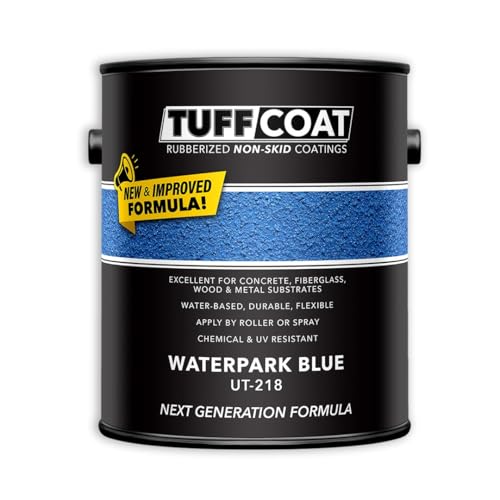
Tuff Coat Medium Texture Rubberized Non-Skid Deck Coating (UT-218 Waterpark Blue)
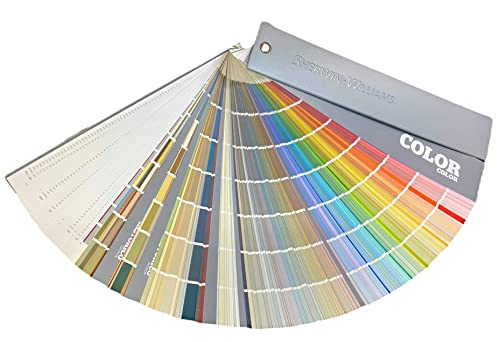
Sherwin Williams Colors Collection Deck Complete Paint Colors

Tuff Coat Textured Roller – 9 inch
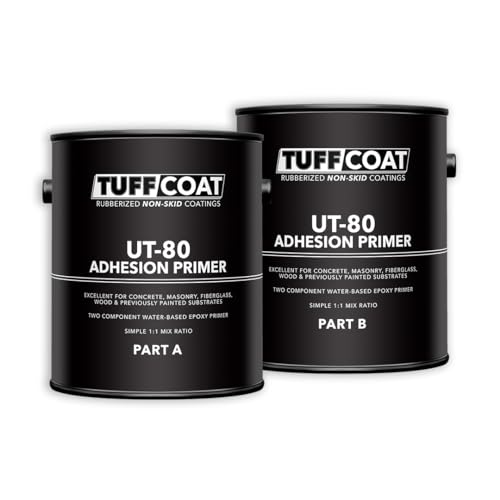
Tuff Coat UT-80 Adhesion Primer – Gallon Kit

Flagstone Sealer (Clear Natural Finish) 1 Gal – Serveon Sealants

Liquid Rubber Polyurethane Deck Coating – Smooth, Saddle Brown
Taking A Closer Look At The Options
Wet concrete around a pool is one of the slipperiest surfaces in a home, and Tuff Coat’s medium-texture formula tackles that head-on. The single-component, water-based mix bonds recycled rubber granules into a flexible, impact-resistant layer that feels almost grippy under bare feet, even after a heavy rain.
Homeowners with splash pads, boat ramps, or pool decks that take real abuse tend to gravitate toward this one because it holds up under foot traffic, splashing chlorinated water, and direct sun. For most backyard projects, a gallon covers a modest stretch and pairs naturally with the brand’s own roller and primer covered later in this roundup.
Practical Advantages
- Cross-linked urethane and acrylic build grips wet feet without feeling harsh
- Recycled rubber texture absorbs impact and stays cooler than bare concrete
- Water-based formula simplifies cleanup with soap and water
- Single-component mix skips the measuring step of two-part systems
- Designed for splash pads, pool decks, and walkways alike
Points To Note
- Requires a compatible primer on bare concrete for proper adhesion
- The Waterpark Blue shade shows wear and staining more than earth tones
Feature Snapshot
Who It Suits Best
Homeowners resurfacing a small-to-medium pool deck who want serious traction and don’t mind a two-day project with primer plus topcoat.
Where Another Pick Suits Better
The Liquid Rubber Polyurethane Deck Coating makes more sense for large wooden decks where waterproofing is the priority over texture.
Color choice often matters as much as protection on a pool deck that anchors the backyard, and Sherwin Williams’ Deck Complete line leans into that. The collection covers a wide palette, giving homeowners room to match trim, pavers, or surrounding stone without settling for the usual gray or tan.
Where the previous Tuff Coat option prioritizes raw grip, this one focuses on appearance alongside deck-rated durability. For most style-driven projects, the result is a deck that looks more like an extension of the home’s exterior and less like utilitarian concrete.
The Case For It
- Wide color range for design-driven pool decks
- Sherwin Williams formulation is widely available through standard channels
- Pairs with deck-specific primers and stains from the same brand
Trade Offs
- Less aggressive texture than the Tuff Coat rubber-granule option
- Color swatches online can read slightly different from the cured finish
Right Fit For
Homeowners refreshing a deck where curb appeal and color matching outweigh the need for heavy-duty non-skid texture.
Look Elsewhere When
Pick the Tuff Coat Medium Texture coating when barefoot grip on a wet surface is the top concern.
Application tools decide how a coating actually performs, and the right roller can make a textured formula look uniform instead of patchy. Tuff Coat’s 9-inch textured roller uses an open-cell foam cover designed specifically for the brand’s non-skid line.
That open-cell structure holds the thick, rubber-granule mix without flooding the nap, which is the usual reason DIY decks end up streaky. For most two-coat applications, the roller is reusable as long as it gets rinsed before the material fully cures.
Everyday Advantages
- 9-inch width balances coverage rate and control on small decks
- Open-cell foam holds rubberized coatings without matting down
- Washable when cleaned promptly after use
Small Caveats
- Specifically matched to Tuff Coat formulas, not a general-purpose roller
- A second roller helps on projects needing multiple coats in one day
Made For
DIYers applying Tuff Coat rubberized coatings who want a tool purpose-built for the texture rather than improvising with a standard nap cover.
Skip It When
The Liquid Rubber Polyurethane Deck Coating is the better target, since its smoother membrane goes on with a standard roller or squeegee.
A textured topcoat is only as good as what sits beneath it, and the UT-80 primer is what bonds Tuff Coat’s non-skid layer to bare or painted substrates. This two-part water-based epoxy accepts concrete, masonry, fiberglass, wood, and even previously painted surfaces, which is a wider range than most deck primers manage.
The straightforward 1:1 mix ratio keeps the math simple, and the kit can be applied to damp concrete where other primers would fail. For most full-deck resurfacing jobs, a gallon of primer pairs with the matching topcoat to build a system rather than a single product.
Where It Delivers
- Accepts concrete, masonry, fiberglass, wood, and painted surfaces
- Two-component water-based epoxy delivers strong mechanical bond
- Tolerates damp concrete at application time
- Simple 1:1 mix ratio avoids complicated measuring
A Few Limitations
- Must be paired with Tuff Coat topcoats for the system warranty to apply
- Two-part mix has a limited pot life once combined
- Not a stand-alone finish, so it adds a step to the project
Spec Overview
Best Suited To
Homeowners resurfacing a mixed-material deck or a substrate that has already been painted and needs a reliable bridge coat.
Another Choice May Suit
The Serveon Sealants Flagstone Sealer is a better match on bare natural stone where sealing alone, not painting, is the goal.
Not every pool deck wants a film on top of it. Natural flagstone and similar masonry look best when the sealer disappears into the surface rather than sitting as a shiny layer, and Serveon’s clear natural-finish formula is built for exactly that.
For most flagstone patios around a pool, this type of penetrating sealer repels water and resists staining without changing the stone’s color. Compared to the textured Tuff Coat system, this is a preservation play rather than a full resurfacing.
Standout Benefits
- Preserves the natural look and color of flagstone
- Penetrates rather than coating, so it doesn’t peel or flake
- One-gallon size covers a typical backyard flagstone patio
Things To Consider
- Does not add the textured grip of a rubberized non-skid coating
- Reapplication is typically needed every couple of years in pool-splash zones
Whose Shelf It Belongs On
Homeowners with existing flagstone or natural-stone pool decks who want water and stain protection without altering the appearance.
Not Your Match When
Pick the Tuff Coat Medium Texture coating if the existing surface is bare concrete that needs both color and traction.
Polyurethane deck coatings sit in a different category than the rubber-granule non-skid options above. Liquid Rubber’s Saddle Brown formula cures into a flexible, waterproof membrane that bonds to wood, concrete, and metal once the surface is prepped properly.
Smooth rather than textured, the finish depends on the substrate’s condition and a careful application to avoid ponding. For most large wooden decks that see standing water after storms, this is the pick that handles moisture first and traction as a secondary concern.
Positive Points
- Polyurethane membrane resists cracking and peeling under foot traffic
- Bonds to wood, concrete, and metal with proper prep
- Available in 1-gallon and larger pail sizes for bigger projects
- Saddle Brown tone blends with most outdoor furniture and trim
Honest Caveats
- Smooth finish offers less barefoot grip than the Tuff Coat textured option
- Surface prep is critical, and any skipped sanding can lead to delamination
- Multiple coats are typically needed for full waterproofing thickness
Core Details
Who Will Love This
Homeowners waterproofing a wooden deck around a pool where flexibility and crack resistance matter more than added texture.
Swap It Out When
Pick the Tuff Coat UT-80 primer plus textured topcoat system on bare concrete that needs grip as the main feature.
Choosing the Right Surface System for Your Pool Deck
Coatings behave very differently depending on what is already underfoot. Concrete, flagstone, and wood each respond to moisture, sun, and chlorine in their own way, and the right product line is usually the one that was designed for that exact substrate rather than a general-purpose paint.
Texture matters more around a pool than almost any other outdoor surface. Wet skin on a smooth coating is a real slip hazard, so for high-traffic zones like steps and entry points, a rubberized non-skid system is hard to beat. Penetrating sealers protect the look of natural stone but rarely add measurable grip, so pair them with mats or broom-finished concrete where safety is a concern.
Color and finish choice comes down to climate. Lighter shades reflect heat and stay cooler under bare feet, while darker Saddle Brown tones hide dust and stains but absorb more warmth. For most sun-exposed southern decks, a mid-tone balances both concerns without committing fully to either extreme.
Budget, longevity, and prep time round out the decision. Two-part epoxy primer systems cost more upfront and demand careful mixing, but they last longer on tough substrates. Single-component water-based coatings are easier for first-timers and still deliver solid grip when the surface prep is done right.
Key Considerations Across These Picks
Mistakes Worth Dodging
Skipping primer on bare concrete is the most common shortcut that comes back to haunt pool deck projects. The textured topcoat may look fine the first summer, but moisture wicking through uncoated concrete lifts the finish from below and leads to peeling along the edges. Another trap is choosing color before checking a real swatch in sunlight, since online renderings of Saddle Brown and Waterpark Blue often read warmer or cooler than the cured result.
When Paying More Pays Off
Spending up on a two-part epoxy primer like the UT-80 makes sense the moment the deck mixes materials, like concrete meeting fiberglass or painted steps. The bond strength on those transitions is where cheaper one-step products tend to fail first, and the labor to redo a section usually costs more than the upgraded primer would have in the first place.
Frequently Asked Questions
What is the most slip-resistant pool deck coating?
Rubberized non-skid coatings with embedded granules, such as the Tuff Coat medium-texture option, generally offer the highest slip resistance on wet concrete. Smooth polyurethane membranes rely on the substrate’s profile for traction and are best paired with anti-slip additives where barefoot traffic is constant.
How long does a pool deck coating typically last?
Lifespan depends on exposure and prep, but a properly primed and coated concrete deck often goes three to five years before a refresh coat is needed. Penetrating sealers on natural stone usually need reapplication every one to three years, especially in splash zones.
Can these coatings be applied over previously painted surfaces?
A compatible two-part epoxy primer like the UT-80 is designed to bond to previously painted substrates, which makes it the right starting point for recoat projects. Smooth topcoats applied directly over old paint without priming tend to fail at the original paint boundary.
Is a primer always required before a deck coating?
On bare concrete, masonry, or wood, a primer is strongly recommended because it seals the substrate and gives the topcoat something to grip. Skipping primer is a frequent cause of early peeling in pool environments where moisture cycles daily.
Are water-based coatings durable enough for full sun exposure?
Modern water-based urethane and acrylic blends hold up well in direct sun when fully cured, and they handle UV exposure better than older solvent-based formulas. Color fade over many years is normal, and darker shades typically show it sooner than earth tones.
Closing Remarks
The best pool deck coating is the one matched to the substrate, the foot traffic, and the level of maintenance that’s realistic each season. Pick a textured non-skid system where grip matters most, a penetrating sealer where natural stone needs to breathe, and a flexible membrane where waterproofing is the priority. With those three angles in mind, the right choice tends to fall into place without overthinking it.


