

A cracked tile along the waterline or a gap where grout used to sit can turn a clean pool into a slow leak. Picking the right swimming pool tile adhesive and grouts depends on whether the repair happens above the waterline, underwater, or on a dry deck surface, and that single decision shapes everything from working time to bond strength.
A Snapshot Of The Selections
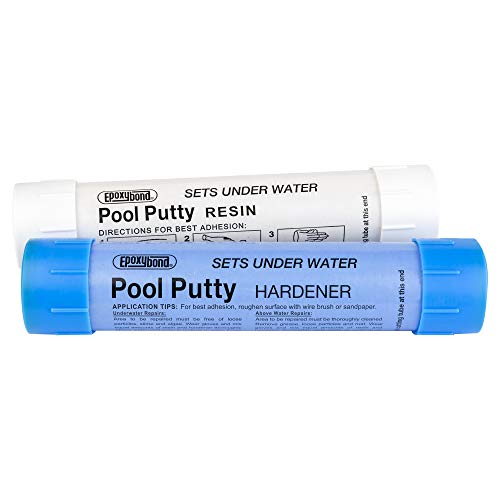
Epoxybond Pool Putty 2-Part DIY Repair Kit

Pool Patch White Pool Tile Grout Repair Kit, 3-Pound
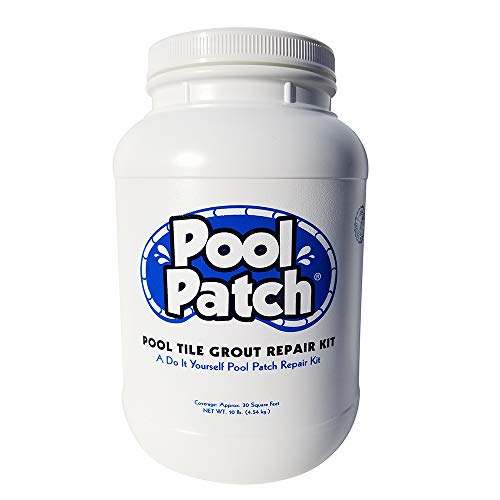
Pool Patch White Pool Tile Grout Repair Kit, 10-Pound

Pool Patch Gray Pool Tile Adhesive Thinset Repair Kit 3 lb
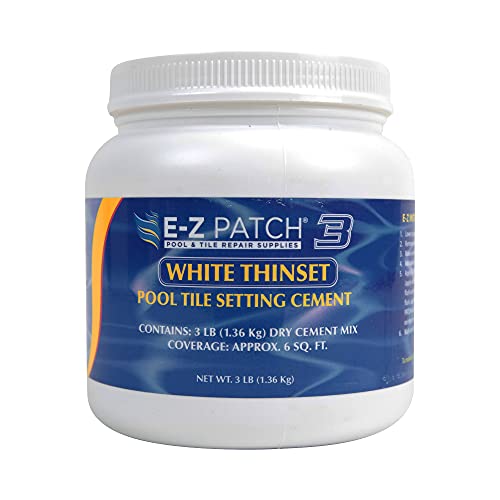
E-Z Patch 3 Thinset Pool Tile Setting Cement White 3lbs

Custom Building Products AcrylPro Ceramic Tile Mastic Quart
Inside Each Recommended Option
Reaching for a repair that sets in standing water, the Epoxybond Pool Putty 2-Part DIY Repair Kit earns its place first because it sidesteps the chore nobody enjoys: draining the pool. The two-part putty gets kneaded by hand, then pressed straight into a wet crack or a leaking fitting, and it cures in place without sagging or shrinking.
That underwater capability makes it a smart pick for hairline fractures around skimmers, light niches, or a single popped tile along the waterline. It bonds to concrete, fiberglass, and a range of other surfaces, which is handy when the exact substrate isn’t easy to confirm. Compared with the dry-tub grout kits that follow, this one is more about stopping active leaks than restoring a uniform cosmetic finish across a wall.
What Works In Its Favor
- Sets and hardens underwater, so a leak repair doesn’t force a full drain
- Moldable by hand with a simple equal-parts mix
- Works across concrete, fiberglass, and assorted pool surfaces
- Useful for emergency patches when the pool can’t sit empty
- No special tools required beyond gloves and a mixing surface
Points To Note
- Color is fixed once cured, so a visible patch may not blend with the surrounding tile
- Working time is short once the two parts are combined
- Storage in a hot garage can shorten the usable shelf life
Feature Snapshot
Who Will Love This
Pool owners facing an active leak who would rather patch in place than drain thousands of gallons.
Look Elsewhere When
The Pool Patch White Pool Tile Grout Repair Kit in the 3-pound tub is a better fit when the goal is restoring clean white grout lines above the waterline rather than sealing a wet crack.
The Pool Patch White Pool Tile Grout Repair Kit in the 3-pound size is the small-job specialist of the group. It uses a waterproof Portland cement base paired with a liquid cement bonder, which is the additive that helps new grout grip to old, sometimes chalky joints.
For a homeowner whose waterline grout is just starting to crumble in patches, this size is the right scale. You can refill voids around a handful of tiles without worrying about a half-used tub of cement going hard in the shed. It’s a step up from the universal fix-it putty, since the cured color is a true white that reads as a normal grout line.
A Favorable Mix
- Includes liquid cement bonder for stronger adhesion to aged grout
- White finish blends with standard pool tile grout lines
- Compact tub is easy to store in a small workspace
- Mix ratio is straightforward for first-time pool repairers
Trade Offs
- Limited coverage area at 1/4-inch thickness suits spot jobs, not full walls
- Needs a dry work zone, so the pool should be lowered below the repair line
Right Fit For
Homeowners with a few crumbling grout lines who want a measured amount without leftover waste.
Consider Something Else When
The 10-pound Pool Patch White Pool Tile Grout Repair Kit is a better fit when an entire waterline needs regrouting in a single weekend session.
Stepping up from the 3-pound version, the Pool Patch White Pool Tile Grout Repair Kit in the 10-pound tub handles the kind of work where a small tub runs out before the job does. Think full waterline regrouts across a standard residential pool, or a deep-end wall that’s been slowly shedding grout for a couple of seasons.
The same waterproof Portland cement formula and liquid bonder carry over, so the finish and working time should feel familiar. The trade-off is simply logistics: a 10-pound tub is heavier to carry and needs a clean mixing surface big enough to spread out the powder.
Real-World Strengths
- Covers roughly three times the area of the 3-pound option at the same thickness
- Same white color and Portland-cement base for consistent joints
- Liquid bonder included for adhesion to older grout and tile edges
- Cost-per-square-foot drops noticeably versus buying multiple small tubs
- Useful when a project spans two or more sections of tile
Soft Spots
- Excess mixed product must be used quickly before it sets
- Heavier to handle and store than the 3-pound tub
- Requires dropping the water level well below the repair area
Key Product Details
Best Suited To
Owners tackling a full waterline regrout in one stretch, or pros handling several pools in a season.
Skip It When
The 3-pound Pool Patch White Pool Tile Grout Repair Kit is the smarter grab when the repair is a single cracked joint that doesn’t justify 10 pounds of powder.
The Pool Patch Gray Pool Tile Adhesive Thinset Repair Kit shifts the focus from grout to adhesive. Thinset is the layer of cement-based mortar that bonds a tile to its substrate, and this gray version is aimed at jobs where the existing tile color or the surrounding deck calls for a darker setting bed.
For a pool where two or three tiles have actually come loose, smearing white grout in their place won’t hold them. A real thinset like this one, mixed to the right consistency, is the right tool for reattaching them so they stay put through a season of swimmers. The 3-pound size keeps it manageable for a small re-set rather than a full re-tile.
The Helpful Details
- Designed specifically for bonding pool tile back to its substrate
- Gray color suits darker tile lines and certain stone finishes
- Small tub size is workable for spot reattachments
- Sets up quickly for a faster return to service
Honest Caveats
- Coverage is limited at roughly 6 square feet, so larger areas need a bigger supply
- Not a substitute for grout, which still needs to be addressed once tiles are set
- Color contrast with white grout joints can show through if applied too thickly
Whose Shelf It Belongs On
Shops and homeowners who occasionally re-bond a few loose tiles and want a thinset rated for pool use.
A Better Fit Elsewhere
The Custom Building Products AcrylPro Ceramic Tile Mastic is worth a look when the surface is dry, indoor, and the job is more about installing new tile than patching a pool.
The E-Z Patch 3 Thinset Pool Tile Setting Cement steps in when the project is more about laying new tile than patching what’s already there. It’s a white thinset formulated for pool surfaces, and the 3-pound pail covers a modest area, which is fine for a waterline accent strip or a small spa edge.
The white color keeps the bond line from showing through translucent glass tile, which can be a real issue with gray products. The trade-off is working time: thinset cures on its own schedule, so mixing more than can be used in a few minutes is a waste of material.
The Upside
- White color hides well under light or glass pool tile
- Formulated specifically for pool tile installations
- Compact 3-pound pail suits smaller installations and touch-ups
- Sets into a firm, water-resistant bond once cured
Possible Compromises
- Coverage is limited; large tile jobs need multiple pails
- Working time can feel tight for someone new to mixing thinset
Quick Technical Notes
Made For
Pool owners setting a fresh band of tile or repairing a small glass-mosaic accent.
Reach For A Different Pick When
The Pool Patch Gray Pool Tile Adhesive Thinset Repair Kit is a stronger match when the surrounding tile is dark and a white bond line would show through.
The Custom Building Products AcrylPro Ceramic Tile Mastic is the odd one out in this list, and that’s the point. Mastic is a ready-to-use acrylic adhesive that comes in a tub, no mixing required, and it trowels onto a wall almost like thick paint.
It earns its spot for the half of the pool that never gets wet: a tile accent wall inside a pool house, a backsplash behind an outdoor bar, or a small mosaic in a covered spa area. For a true submerged pool repair, the cement-based thinsets and grouts above are the right call. For dry tile work that still needs to handle occasional splashes, this quart offers a quick, no-fuss option.
Where It Delivers
- Ready-muse formula means no powder, dust, or mixing bowls
- One-quart tub is a manageable size for small projects
- Spreads easily for vertical wall tile applications
- Brings a familiar indoor-tile workflow to outdoor-adjacent spaces
A Few Limitations
- Not rated for fully submerged pool walls, so its role is limited to splash zones
- Coverage is small, so anything beyond a backsplash needs multiple tubs
- Long-term underwater exposure is not its intended service
Perfect Match For
Indoor pool-house tile, dry-area spa walls, and small mosaic accents away from full submersion.
Where A Sibling Pick Shines
The Epoxybond Pool Putty 2-Part DIY Repair Kit is the better grab the moment the repair sits below the waterline.
Matching Pool Tile Adhesive and Grouts to the Repair at Hand
Picking the right material starts with answering one question: where is the tile, and is it wet or dry? Anything that sits below the waterline or gets splashed daily needs a product rated for constant immersion, which rules out standard indoor mastics. Above the waterline, a Portland-cement thinset paired with a matching grout handles most jobs without drama.
A second filter is the substrate. Concrete, fiberglass, and older plaster surfaces all behave differently, and a repair on a fiberglass spa step calls for more flexibility than a tile set into a poured concrete wall. The Epoxybond putty earns its underwater rating, while the cement-based thinsets and grouts in this list are tuned to masonry-style substrates that need a mineral bond.
Working time matters more than most shoppers expect. Thinsets and grout both begin setting once water is added, so mixing in small batches keeps the material usable. Larger tubs are more efficient per square foot, but only when the project can genuinely use them in one session.
Cement Based vs Mastic Adhesives
Cement-based thinset relies on a chemical reaction with water to harden into a water-resistant bond. It’s the standard for submerged pool tile because that mineral matrix tolerates constant wet-dry cycles. Mastic is an acrylic glue that dries by evaporation, so it works on walls and dry zones but softens under prolonged immersion.
Grout Selection and Joint Width
Portland-cement grout, like the Pool Patch options above, accepts a liquid bonder to improve adhesion to old joints and to reduce shrinkage. Sanded grout handles wider joints, while unsanded versions suit tight grout lines, and matching the original joint profile keeps the surface looking consistent after the repair.
Coverage and Tub Size Tradeoffs
A 3-pound tub is sized for spot fixes, while the 10-pound version covers roughly three times the area at the same thickness. Buying too much leads to waste, since opened cement hardens in the bag. Buying too little forces a second trip to the retailer mid-job, which is the more common frustration.
Key Considerations Across These Picks
Pitfalls Shoppers Hit
The most common mistake is reaching for an indoor ceramic mastic for a submerged pool wall, which softens and fails within a season. Another is buying grout when the tile itself is loose, since new grout over a poorly bonded tile simply falls out again. Lowering the water level below the repair line is also easy to forget, and thinset applied to wet, dirty surfaces rarely cures correctly.
Where The Extra Money Goes
Stepping up to a larger tub or a kit that includes a liquid bonder costs more up front, but the upgrade pays off in fewer callbacks and more uniform joints. A dedicated pool-rated thinset also tends to use additives that resist chlorinated water better than a generic hardware-store version, which extends the life of any repair done in a constantly wet environment.
Frequently Asked Questions
Can swimming pool tile adhesive be applied underwater?
Yes, certain two-part putties are formulated to cure underwater, which lets repairs happen without draining the pool. Most cement-based thinsets, however, need a dry work surface during application and curing.
How long does pool grout take to cure before refilling?
Most Portland-cement pool grouts need at least 24 hours of cure time before the pool is refilled, and longer in cool or humid conditions. Always check the specific product’s instructions for the recommended window.
What is the difference between thinset and grout?
Thinset is the adhesive that bonds tile to its substrate, applied underneath each piece. Grout fills the joints between tiles after they are set. They serve different roles and are not interchangeable.
Can regular indoor tile mastic be used in a pool?
No, standard acrylic mastic is not designed for continuous submersion and will soften and fail in pool conditions. Pool-rated cement-based thinset is required below the waterline.
How do I know how much grout to buy?
Coverage depends on joint width and tile size, but a 10-pound tub generally covers around 30 square feet at 1/4-inch thickness, while a 3-pound tub covers about 10 square feet under the same conditions. Measuring the repair area first prevents running short mid-job.
Closing Remarks
The right swimming pool tile adhesive and grouts depends entirely on the repair: an underwater leak wants a moldable putty, a crumbling grout line wants Portland cement, and a loose tile wants pool-rated thinset. Matching the product to the job, the substrate, and the working time available turns a stressful repair into a manageable weekend project.


